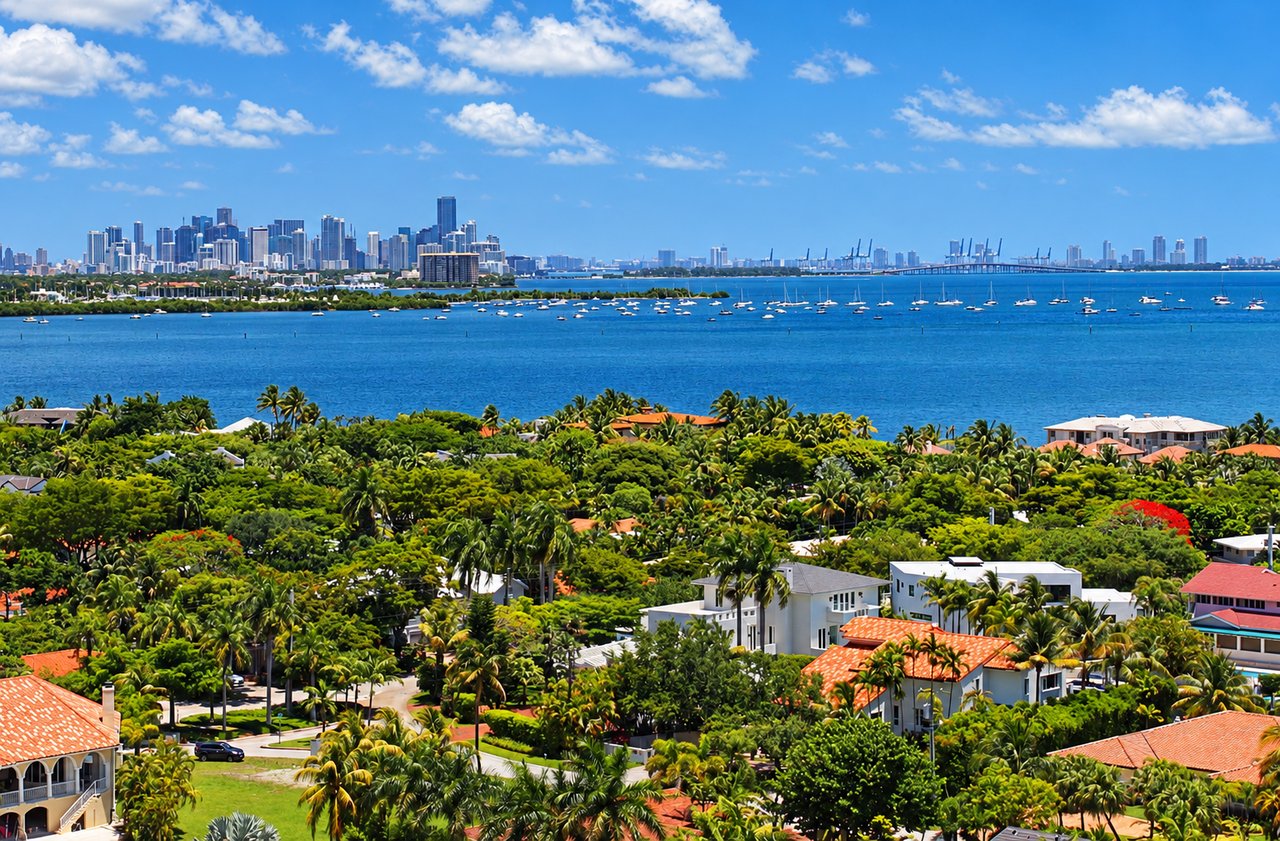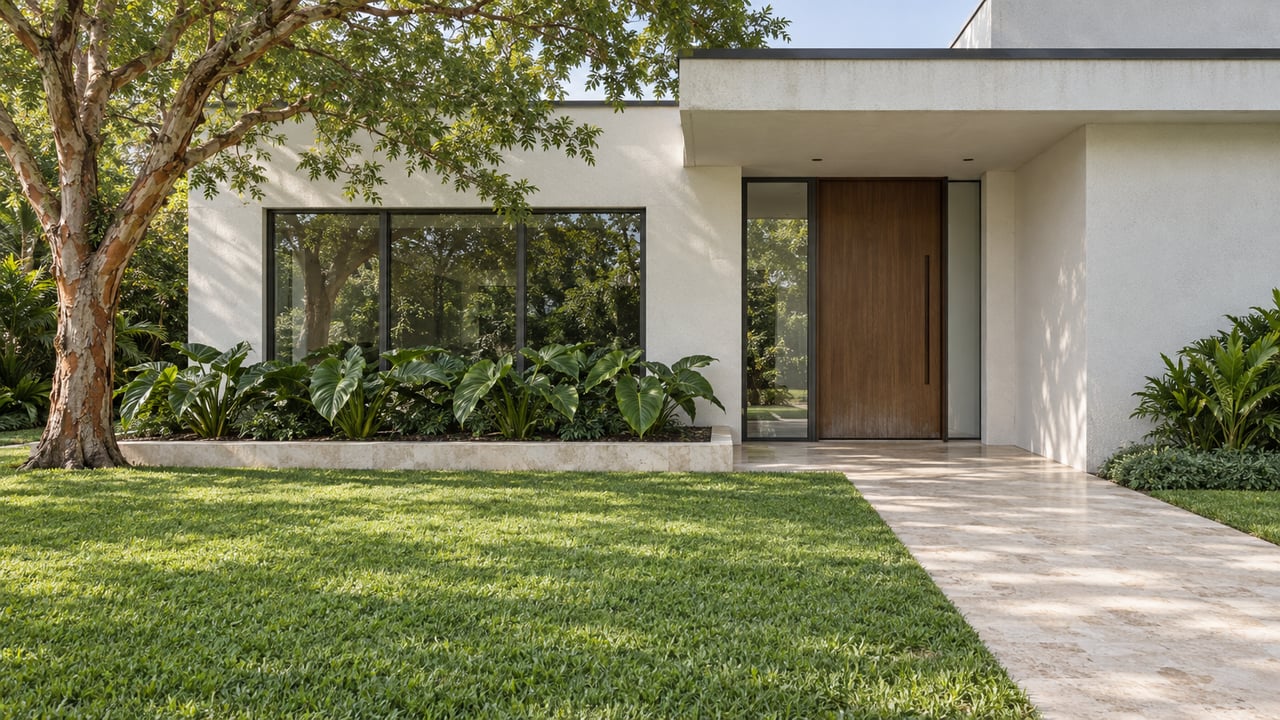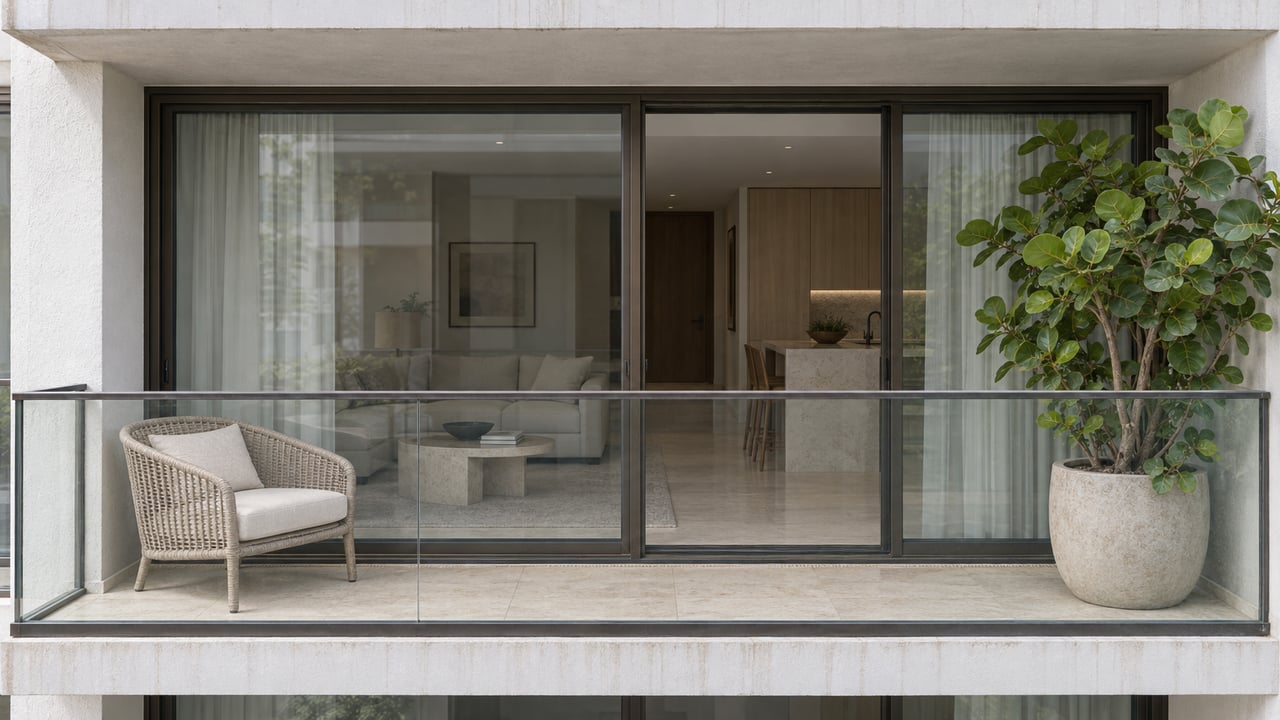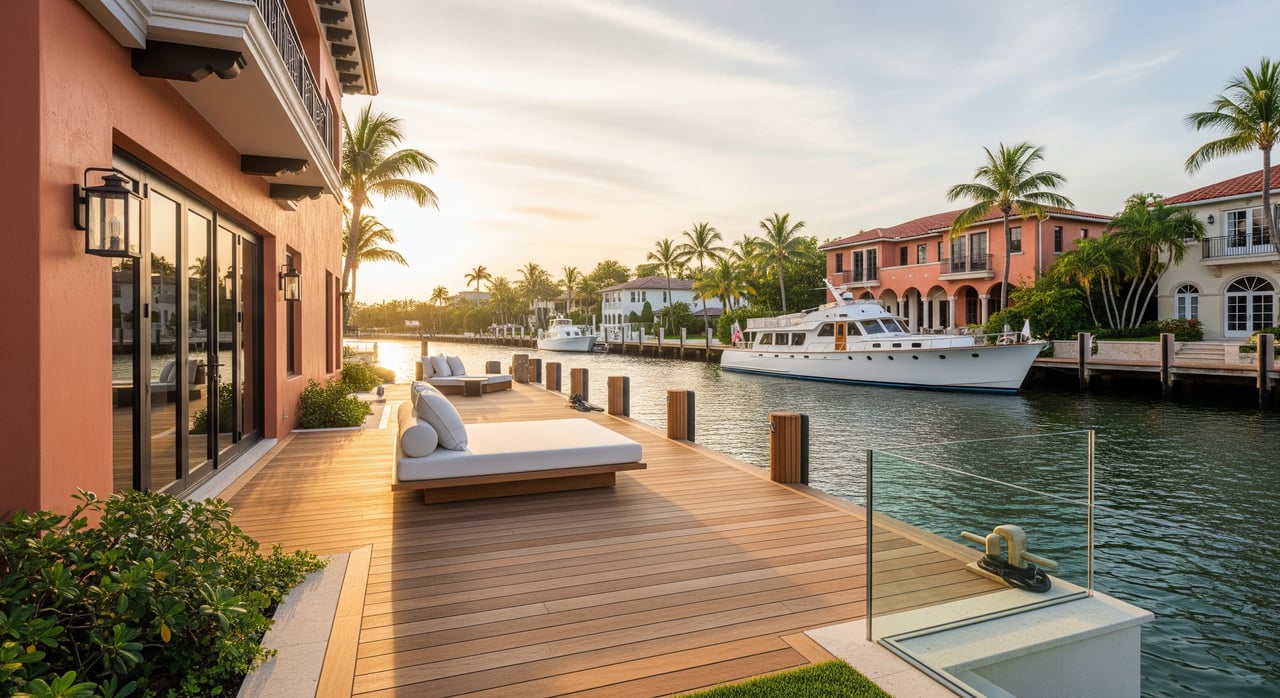
Picture your morning coffee as boats glide past your backyard. Now picture a shady tree‑lined street where you can stroll to dinner on Miracle Mile. Both are Coral Gables at its best, and both are very different ways to live. If you are weighing waterfront luxury against inland convenience, you want a clear, practical comparison that fits your budget, lifestyle, and long‑term plans. This guide walks you through the real differences in daily life, risk, insurance, maintenance, and resale so you can choose with confidence. Let’s dive in.
Coral Gables at a glance
Coral Gables is a mature, built‑out city with distinct micro‑markets. Waterfront homes form their own submarket with a wide range of properties, from canalfront lots with docks to grand bayfront estates. Inland neighborhoods offer classic bungalows, updated period homes, and new construction near shops and parks.
Waterfront carries a premium that is substantial but variable. Views, type of frontage, lot size, dock and seawall condition, elevation, and storm‑mitigation features all influence price. Inland homes often attract a broader buyer pool at lower entry points and can deliver more interior space or yard for the same budget. If you need specific numbers, ask for neighborhood comps, because pricing is highly property‑specific here.
Waterfront lifestyle: what to expect
Boating, breezes, and views
Waterfront living is about the maritime lifestyle. Many homes offer private or community dock access for boating, paddle boarding, or fishing. Open water and canal views bring sunrises, sunsets, and steady breezes that make outdoor spaces feel special.
Privacy and seclusion
Many bayfront enclaves are gated or set back from commercial corridors, which can feel serene and private. You may drive a bit farther for errands, but you gain a quiet setting and a sense of retreat at home.
Tradeoffs to plan for
- Walkability can be lower in some waterfront pockets.
- Boat noise, marina activity, and wakes may add ambient sound.
- Shoreline areas can attract more insects, and salt air can speed up wear on exterior materials.
Who it fits
You will likely love it if you want direct boating access, panoramic water views, enhanced privacy, or an estate setting. Seasonal residents and higher‑end buyers often prioritize these features.
Inland lifestyle: what to expect
Everyday convenience and walkability
Inland areas place you closer to retail, dining, and services. Many buyers value proximity to Miracle Mile, Merrick Park, parks, and civic amenities. Some pockets are more walkable, especially near Downtown Coral Gables and the University of Miami.
More space for the price
For the same budget, inland homes often provide larger interior square footage or more yard. You may also have more flexibility to expand, add a pool, or rework the floor plan without shoreline constraints.
Tradeoffs to plan for
- No direct boating access or wide water views.
- Depending on location, you may be closer to busier traffic corridors.
Who it fits
You may favor inland if you want daily convenience, a larger home or yard within budget, a central location for commuting, or a property with renovation and expansion potential.
Risk and insurance: key differences
Flood and storm exposure are property‑specific
Waterfront parcels often sit in FEMA Special Flood Hazard Areas, and exposure varies by elevation, distance to open water, seawall height, and local conditions. Always check maps and documents at the address level:
- Review the FEMA flood designation through the FEMA Flood Map Service Center.
- If available, review an elevation certificate and any prior flood claims.
Sea‑level rise and nuisance flooding
Miami‑Dade is seeing more frequent tidal or “sunny day” flooding in some areas. If you plan to own long term, visualize scenarios with the NOAA Sea Level Rise Viewer. It is a helpful planning tool, especially for low‑lying waterfront.
Insurance and financing implications
Most lenders require flood insurance if a property is in a high‑risk flood zone. Premiums vary by flood zone, elevation, and mitigation. In South Florida, wind coverage and deductibles also matter. Get quotes early from credible sources:
- Learn about the Florida insurance market at the Florida Office of Insurance Regulation.
- Understand flood insurance options and coverage at NFIP’s FloodSmart.
Maintenance and capital items for waterfront
- Seawalls and bulkheads. These structures need periodic inspection, maintenance, and eventual replacement. Budget for repairs and confirm who is responsible if there is an HOA.
- Docks and boatlifts. Wood, metal, and lift systems require routine service. Ask for maintenance records.
- Salt, humidity, and corrosion. Salt air can accelerate wear on exterior metals, paint, HVAC equipment, and hardware. Moisture management becomes more important.
- Landscaping and pests. Use salt‑tolerant plants, adjust irrigation, and plan for regular pest control.
Permits and compliance
Docks, seawalls, and shoreline work typically require permits from multiple agencies. Before you buy or plan a renovation, verify past and current permits and code compliance. Start with the City of Coral Gables Building Department’s resources at the City of Coral Gables Building. For title and survey matters, confirm riparian rights, setbacks, and any easements.
Cost of ownership considerations
- Property taxes. Waterfront parcels often have higher assessed values, which can translate to higher taxes.
- Insurance. Flood and wind coverage costs can be significant, and they vary widely by property features and elevation.
- HOA or community fees. Gated or managed waterfront communities may have higher fees for shared docks, seawall management, and security.
- Maintenance. Seawalls, docks, lifts, and salt‑related wear add ongoing costs for waterfront owners.
Build a realistic annual budget that includes insurance premiums, reserves for capital items like seawalls or roof replacement, and any community fees.
Resale and investment outlook
Waterfront dynamics
Waterfront homes carry strong aspirational appeal and can outperform in strong markets. In slower periods, they can take longer to sell because the buyer pool is smaller and more sensitive to maintenance and insurance costs. Large lots and prime water frontage may attract redevelopment interest, though seawall and shoreline constraints can limit expansion.
Inland dynamics
Inland homes typically attract broader buyer pools, which can support faster sales in mid‑price tiers and more predictable comparable sales. Expansion potential and proximity to amenities often drive value.
What drives value by property type
- Waterfront. Length and quality of water frontage, dock and boat access, seawall condition, elevation, views, and storm‑mitigation upgrades.
- Inland. Lot size, building condition and updates, floor plan functionality, proximity to shops and parks, and room to expand.
Time horizon and market cycles
Waterfront tends to be more cyclical and tied to luxury trends. Inland can offer steadier liquidity. Your holding period, maintenance tolerance, and goals should guide the choice.
A simple decision framework
Ask yourself:
- Is daily boating or direct water access a must‑have or a nice‑to‑have?
- Would I trade walkability and quick errands for privacy and views?
- Do I prefer a larger home or yard within the same budget over a smaller waterfront setting?
- How comfortable am I with flood and wind insurance variability over time?
- Do I plan to renovate or expand, and what constraints might I face near the water?
If you prioritize boating, privacy, and signature views, focus on waterfront. If you want space, convenience, and flexibility, explore inland neighborhoods near your favorite amenities.
Due diligence checklist for Coral Gables buyers
Use this at the address level before you write an offer:
- Comps. Request recent comparable sales from a Coral Gables agent who understands waterfront and inland submarkets.
- Flood risk. Check FEMA mapping through the FEMA Flood Map Service Center and request any elevation certificate.
- Insurance. Obtain flood and wind quotes early through NFIP and private carriers. Review deductibles and dock coverage specifics via NFIP’s FloodSmart.
- Seawall and dock. Ask for permits, engineering reports, photos, and maintenance records. Consider a marine engineer or seawall contractor inspection.
- Home systems. Order a general home inspection with attention to moisture, HVAC, roof, and corrosion.
- Survey and title. Confirm boundaries, setbacks, easements, and riparian rights.
- Permits and code. Verify permit history and requirements through the City of Coral Gables Building.
- Taxes and fees. Confirm current property taxes, any special assessments, and HOA or community fees using the Miami‑Dade Property Appraiser.
Work with a hands‑on local team
Choosing between waterfront and inland in Coral Gables is not just about price. It is about how you want to live, what risks you are comfortable carrying, and which property features will support your long‑term goals. If you want senior‑level guidance on specific streets, flood zones, permit histories, seawall conditions, and comps, we are ready to help. Schedule a private consultation with The Miami Signature Homes to compare neighborhoods, line up insurance quotes, and build a smart offer strategy.
FAQs
How much more do Coral Gables waterfront homes cost than inland homes?
- The premium is substantial but highly variable, based on frontage type, elevation, seawall and dock condition, lot size, and views; ask for current neighborhood comps.
What flood insurance will I need for a waterfront property in Coral Gables?
- If the home is in a high‑risk flood zone, lenders typically require flood insurance; get quotes early and learn coverage basics at NFIP’s FloodSmart.
How can I check flood risk for a specific Coral Gables address?
- Start with the FEMA Flood Map Service Center and request any elevation certificate from the seller or prior insurer.
Are seawalls and docks expensive to maintain in Coral Gables?
- Costs vary by age and condition, but you should budget for periodic inspections, repairs, and eventual replacement of seawalls, plus routine service for docks and lifts.
Do waterfront homes take longer to sell in Coral Gables?
- They can in slower markets, since the buyer pool is smaller and more sensitive to maintenance and insurance costs, while inland homes often attract broader demand.
What permits are needed to repair or replace a dock or seawall in Coral Gables?
- Expect permits from the City of Coral Gables and other agencies; start with the city’s resources at City of Coral Gables Building and consult a qualified marine professional.
How do I evaluate long‑term sea‑level rise risk for a property?
- Visualize scenarios with the NOAA Sea Level Rise Viewer and consider elevation, seawall height, and drainage when comparing addresses.
Where can I verify taxes and assessed value for a Coral Gables property?
- Look up parcel data, assessed value, and tax history with the Miami‑Dade Property Appraiser.