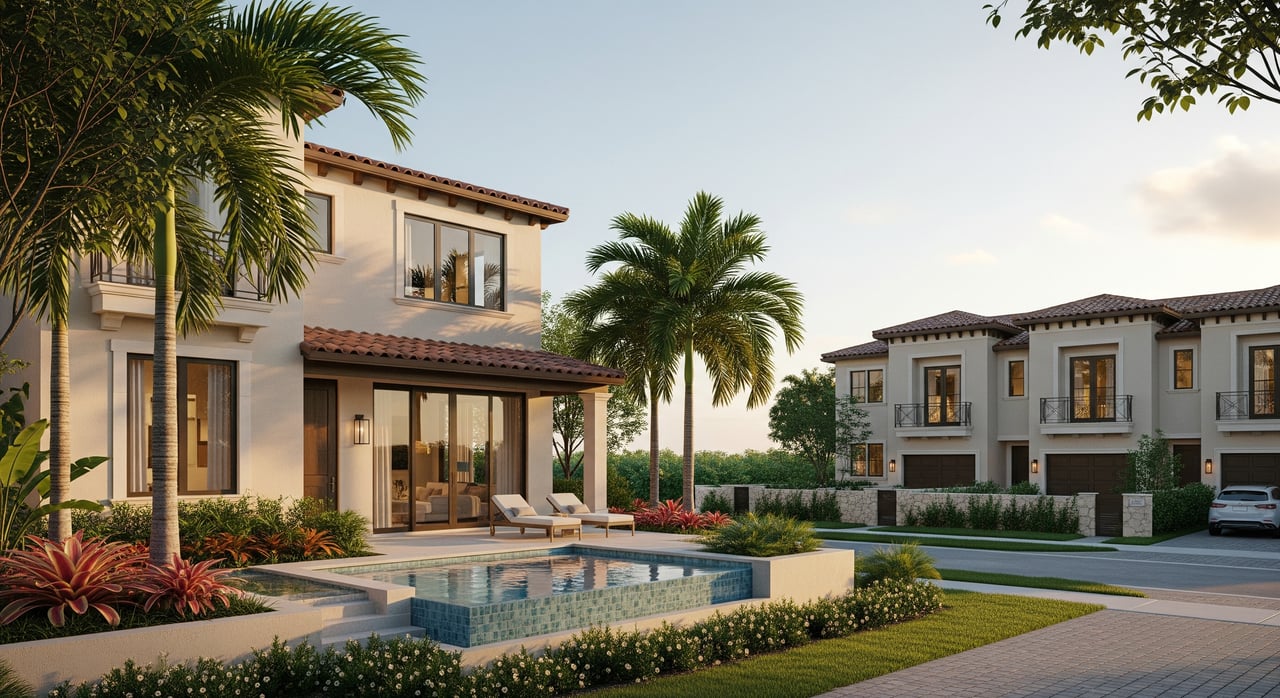
Debating between a single-family home and a townhome in Palmetto Bay? You are not alone. With coastal weather, flood considerations, and a mix of established neighborhoods and newer infill communities, the right fit depends on how you want to live and what you want to maintain. In this guide, you will learn how each option stacks up on space, upkeep, rules, insurance, financing, and long-term value so you can choose with confidence. Let’s dive in.
Single-family vs townhome: the basics
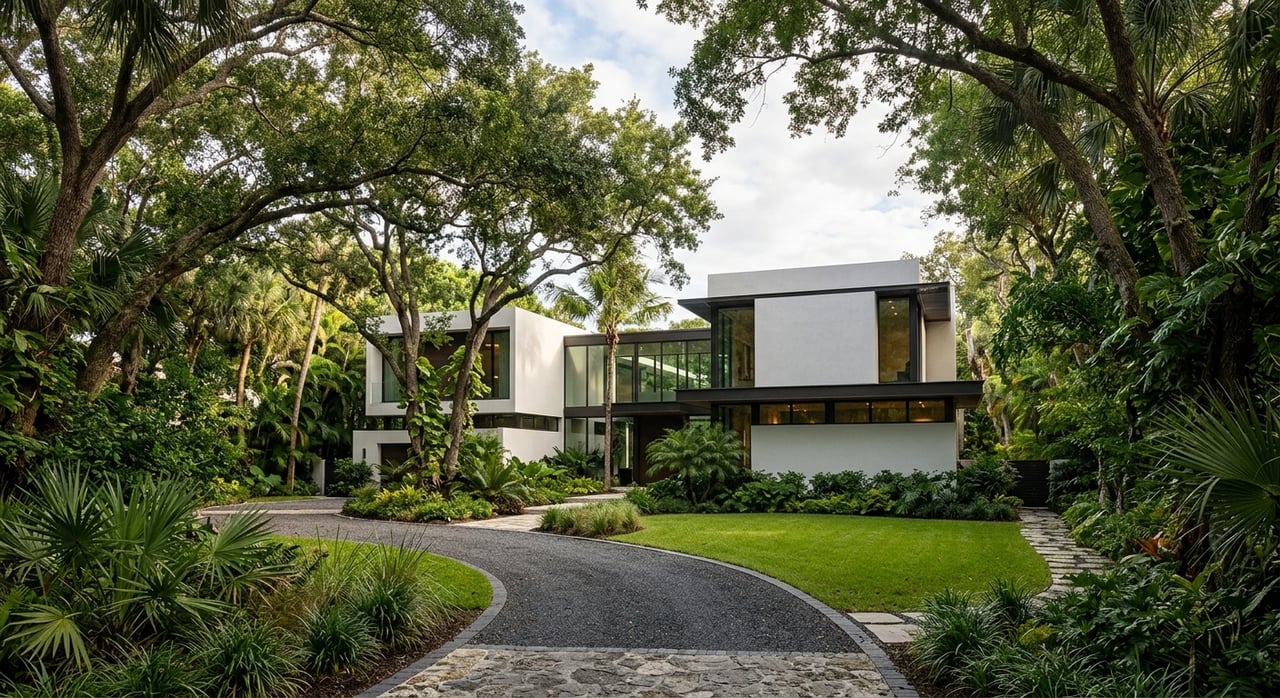
Single-family homes usually sit on private lots with more yard space and separation from neighbors. You control most exterior decisions, subject to local permitting and any HOA rules if the subdivision has one. Monthly costs may be more variable because you handle your own roof, exterior, and landscaping.
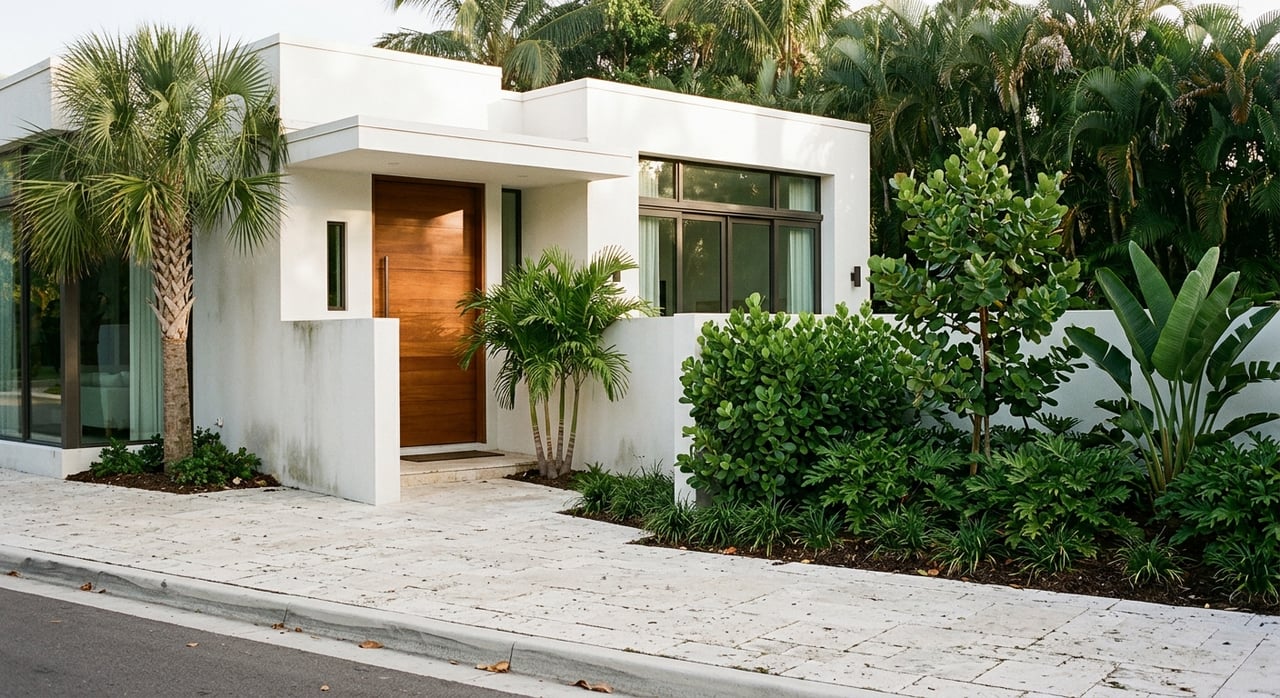
Townhomes often have smaller yards or patios and share at least one wall. Many communities have an HOA that maintains exteriors, common areas, and sometimes roofs, which can simplify upkeep. Ownership structure matters: some townhomes are fee simple under a homeowners’ association, while others are structured as condominiums, which follow different rules under Florida law.
Ownership structure matters
In Florida, many fee simple communities are governed by Chapter 720 (homeowners’ associations), and many condo-form townhomes fall under Chapter 718 (condominiums). This affects what you own, the association’s control over exteriors, and what your insurance must cover. Before you compare apples to apples, confirm if a townhome is fee simple or a condominium and review the association documents.
Lot size and privacy in Palmetto Bay
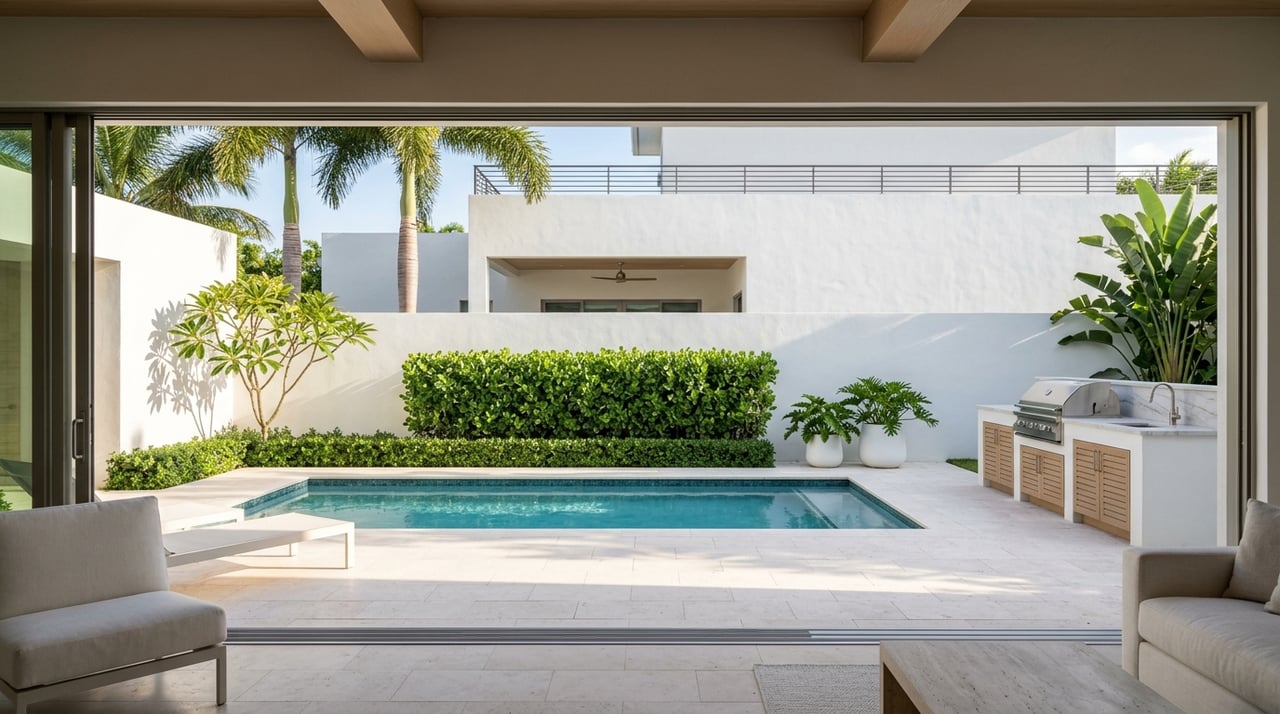
Single-family homes in Palmetto Bay generally provide larger lots, side yards, and room for pools or additions, subject to permitting. You can often use landscaping and fencing to increase privacy. Yard design also influences stormwater drainage and cooling needs, which matters in our climate.
Townhomes typically offer compact outdoor spaces and closer proximity to neighbors. Patios, small yards, or shared greens may be governed by association rules that limit changes. If privacy is a top priority, compare end-unit locations, patio orientation, and community layout.
Maintenance and HOA responsibilities
Single-family owners cover exterior maintenance, roofs, driveways, and all systems. That means more control, but also more hands-on planning and budgeting. In non-HOA neighborhoods, you will not have association fees, but you still have municipal services and routine upkeep.
Townhome communities often bundle exterior care, roof reserves, landscaping, pest control, and sometimes cable or internet into a monthly fee. The quality of HOA management and the strength of reserves directly affect cost predictability. Always review reserve studies, meeting minutes, and special assessment history to see what is coming next.
Rules, fees, and governance
Condominium regimes usually control the exterior and common areas, and owners typically insure the interior with an HO-6 policy. Homeowners’ associations for fee simple homes or townhomes vary in scope, but often regulate paint colors, fencing, landscaping, parking, and rentals. Pay attention to pet policies, guest parking, rental caps, and any architectural review process.
A strong association has clear budgets, adequate reserves, reasonable delinquency rates, and no unresolved litigation. These factors affect both your monthly costs and future resale.
Parking and storage
Single-family homes often include garages and driveways, which are helpful for multi-vehicle households, boats on trailers where allowed, or extra storage. Townhomes may provide one or two assigned spaces and limited guest parking. If you need frequent guest access or extra storage, confirm availability before you commit.
Insurance and flood risk in Palmetto Bay
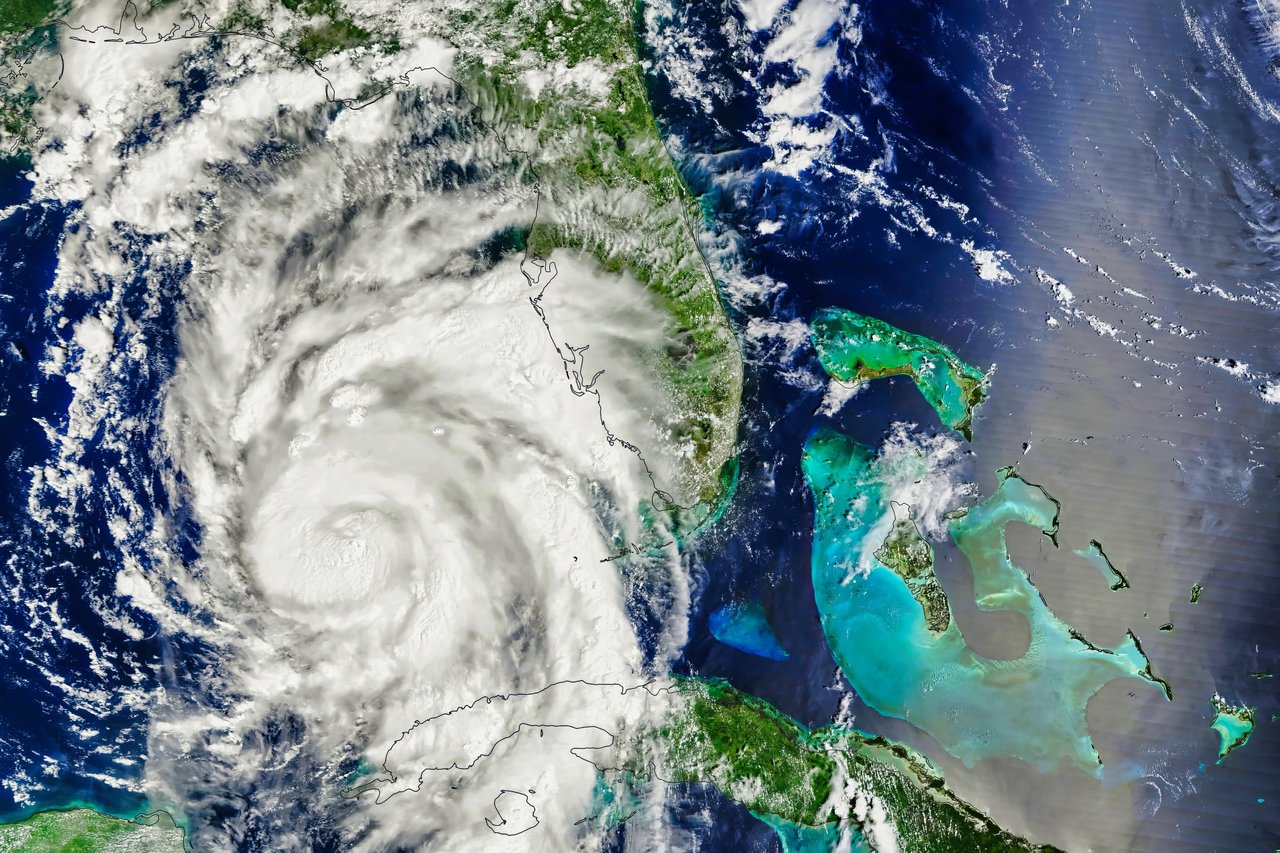
Coastal exposure and storms are part of life in Miami-Dade, and Palmetto Bay parcels can have varying flood risk. Check FEMA flood maps and ask for any elevation certificates to understand flood insurance requirements. Wind mitigation inspections and impact-rated openings can influence premiums.
For single-family homes, you will likely carry an HO-3 policy for the structure and contents, plus flood coverage if required by your lender. For townhomes, the master policy details matter. In a condo setup, the association usually insures the exterior and structure, and you carry an HO-6 for interiors and improvements. In fee simple townhomes, you may need a dwelling policy similar to a single-family home.
Financing and closing differences
Most lenders treat fee simple single-family homes as straightforward. Townhomes in condominium regimes may need project approval for certain loan types, including some FHA and VA loans. If you plan to use a low down payment program, verify the community’s eligibility early.
Also confirm any rental restrictions or investor limitations if you want flexibility later. Title items such as shared elements, easements, and association lien rights can affect timelines, so build in time for document review during your contract period.
Resale and long-term value
Single-family homes typically attract a wider buyer pool that values space, yards, and storage. Over time, land often plays a larger role in appreciation. In townhome communities, value can track closely with HOA quality, fee trends, and the condition of common areas.
In both cases, flood history, elevation, and insurance costs can influence marketability. Use recent comparable sales that match property type, ownership structure, and location to set expectations.
Which fits your lifestyle?
Family seeking space and flexibility
- Likely fit: Single-family home with a private yard and room to grow.
- Focus on: Lot drainage, flood zone, school boundaries, and permitting if you plan a pool or addition.
Low-maintenance professional or frequent traveler
- Likely fit: Townhome with an HOA that handles exterior and landscaping.
- Focus on: Reserve health, master insurance coverage, parking access, and any rental or pet rules.
Downsizer or empty-nester
- Likely fit: Townhome or smaller single-family home with minimal yard work.
- Focus on: Floor plan flow, stairs versus single level, noise transfer, and proximity to daily needs.
Investor or owner who values rental flexibility
- Likely fit: Depends on community rules and yield.
- Focus on: Rental restrictions, local licensing rules, HOA financials, and realistic cap rates.
Palmetto Bay due diligence checklist
- Confirm title type and whether the townhome is fee simple or a condominium.
- Request HOA or condo documents: budgets, reserve studies, bylaws, declarations, recent meeting minutes, insurance certificates, and any litigation or special assessment notices.
- Review HOA financial health: reserve funding levels, delinquency rates, and maintenance plans for roofs and common areas.
- Verify master policy coverage and your responsibility for interior items, windows, and deductibles.
- Check FEMA flood zone, obtain elevation certificates if available, and ask about past flood claims or drainage improvements.
- Pull permitting history for additions, pools, impact windows, and roof work that may affect insurance.
- Order inspections for roof, structure, HVAC, and, for townhomes, party walls and shared roofing or drainage systems.
- Obtain wind mitigation and four-point reports where applicable to refine insurance quotes.
- Confirm parking assignments, guest policies, storage options, and utility metering.
- Review local rules for short-term rentals if that use case matters to you.
- Compare recent comparable sales for both single-family and attached properties within the last 6 to 12 months.
Your next step
Choosing between a single-family home and a townhome in Palmetto Bay comes down to lifestyle, risk comfort, and long-term goals. If you want space, privacy, and control over your property, a single-family home likely suits you. If you want low maintenance and predictable exterior care, a well-run townhome community can be a great fit.
For tailored guidance, local comps, and a clear budget that includes insurance and HOA details, connect with our team. You will work directly with seasoned advisors who know Palmetto Bay and greater Miami. Start with a private conversation and a plan for your move with The Miami Signature Homes.
FAQs
What is the main difference between single-family homes and townhomes in Palmetto Bay?
- Single-family homes usually sit on private lots with owner-controlled exteriors, while townhomes share walls and often have an HOA that manages exteriors and common areas. Ownership structure, not just building type, determines rules and insurance.
How do HOA fees for Palmetto Bay townhomes affect my budget?
- HOA fees can simplify upkeep by covering exteriors, landscaping, and reserves, but they add to monthly costs. Review budgets, reserve studies, and special assessment history to gauge future fee changes.
What insurance policies do I need for a townhome vs a single-family home?
- Single-family owners typically carry an HO-3 policy plus flood coverage if required. Condo-form townhome owners usually have an HO-6 for interiors, while the association insures the exterior. Fee simple townhomes may need dwelling coverage similar to a single-family home.
How does flood risk impact buying in Palmetto Bay?
- Flood zone and elevation affect insurance requirements and premiums. Ask for elevation certificates, check FEMA maps, and review any history of drainage improvements or flood claims.
Are financing options different for townhomes in condominium regimes?
- Yes. Some loan programs require condo project approval. Verify eligibility early if you plan to use FHA, VA, or specific conventional loans with low down payments.
Will a single-family home have better resale than a townhome?
- It depends on location and property specifics. Single-family homes often attract a larger buyer pool and can benefit from land value, while townhome values track closely with HOA quality, fees, and common area condition.