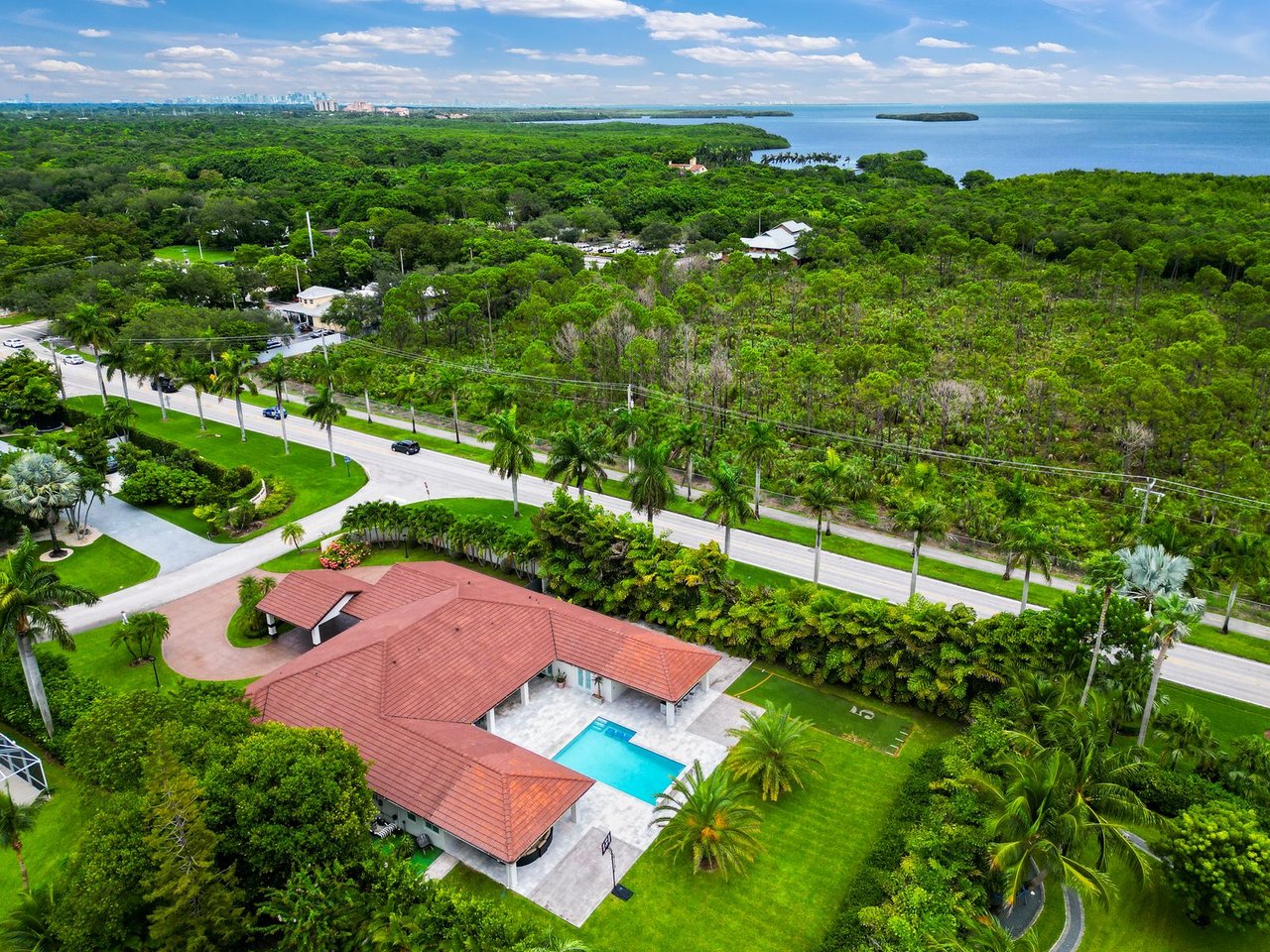
Pinecrest and Palmetto Bay are neighboring municipalities located along the east side of US-1 in South Miami-Dade County, and they consistently rank among the area’s most sought-after residential markets. Both offer established single-family neighborhoods, strong public and private school options, and a family-oriented environment that continues to attract long-term homeowners and relocating buyers.
While the two communities share many structural similarities, including lot sizes, housing stock dominated by single-family homes, and a focus on residential quality, the way space, location, and amenities are experienced differs in meaningful ways. These differences influence everything from daily commute patterns and access to services to the overall rhythm of neighborhood life.
Pinecrest vs.Palmetto Bay real estate is not to determine which is “better,” but to help affluent buyers understand how each community functions and which environment is more aligned with their priorities and long-term plans.
Location Within South Miami-Dade County
Location is often the first practical filter buyers consider, simply because it shapes daily life in subtle but consistent ways. Pinecrest and Palmetto Bay share convenient access to major corridors like US-1 and the Palmetto Expressway, along with proximity to well-regarded schools, parks, and everyday amenities. Both communities support an easy residential lifestyle with strong infrastructure in place.
Pinecrest sits slightly farther north, near areas known for business centers, dining, retail, and cultural destinations like Dadeland, South Miami, and Coral Gables. This positioning tends to appeal to buyers who value quick access to central Miami hubs while maintaining a residential setting.
Palmetto Bay extends farther south toward Biscayne Bay, offering a more coastal orientation and a slightly quieter, more expansive feel. Its location appeals to those who prefer a bit more distance from the urban core while still remaining well-connected.
The Falls shopping district sits at the southern edge of Pinecrest and the northern edge of Palmetto Bay, creating a shared point of convenience for both communities. This overlap highlights how interconnected the two areas are, even as their locations shape slightly different patterns of daily life.
It’s also worth noting that both communities are formally incorporated municipalities, the Village of Pinecrest and the Village of Palmetto Bay, each with its own local government and community planning standards. This structure plays a meaningful role in how development is managed and how each village maintains its residential character over time.
Residential Character and Neighborhood Layout
Both Pinecrest and Palmetto Bay are municipalities defined by low-density, residential zoning designed to preserve quiet neighborhoods and limit commercial congestion. The focus in both villages remains firmly on housing, green space, and long-term livability rather than mixed-use or high-traffic development.
Neither community is urban or traditionally walkable in the way downtown or city-core neighborhoods are. Daily life here is intentionally car-oriented, shaped around private homes, schools, parks, and neighborhood amenities rather than retail corridors or dense pedestrian zones.
Mature tree canopies line many of the streets in both villages, creating shaded, established environments that feel settled and well cared for. This sense of continuity is reinforced by a high proportion of long-term homeowners and a strong residential identity.
Homes, Parcels, and the Experience of Space
Pinecrest
Pinecrest is shaped by larger parcels and deeper setbacks from the street, which immediately influences how space is experienced. Homes tend to sit farther back on their lots, creating a sense of privacy and scale.
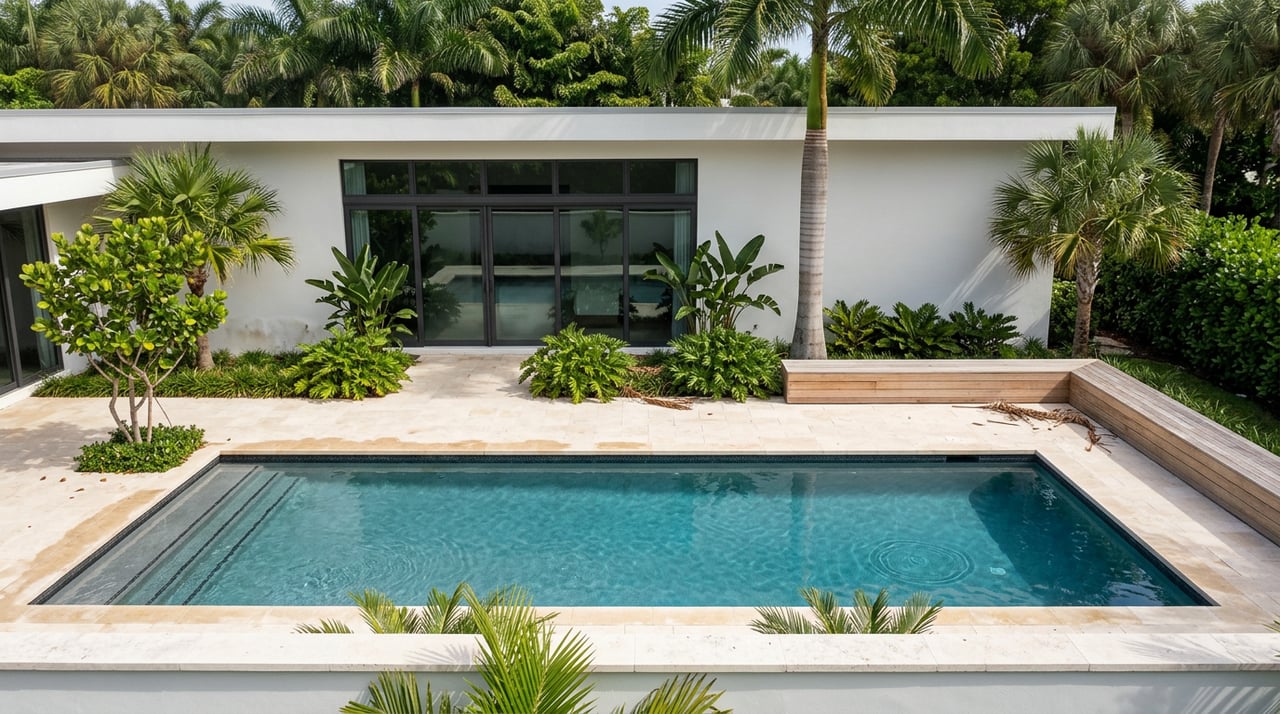
Estate-style residences are a defining feature here. Many properties are designed as self-contained environments, with generous grounds, private gardens, and architectural layouts that prioritize quiet and discretion. It is common for homes to sit on oversized lots, often approaching an acre or more, framed by mature landscaping, gated driveways, and pools that feel more like private retreats than backyard amenities.
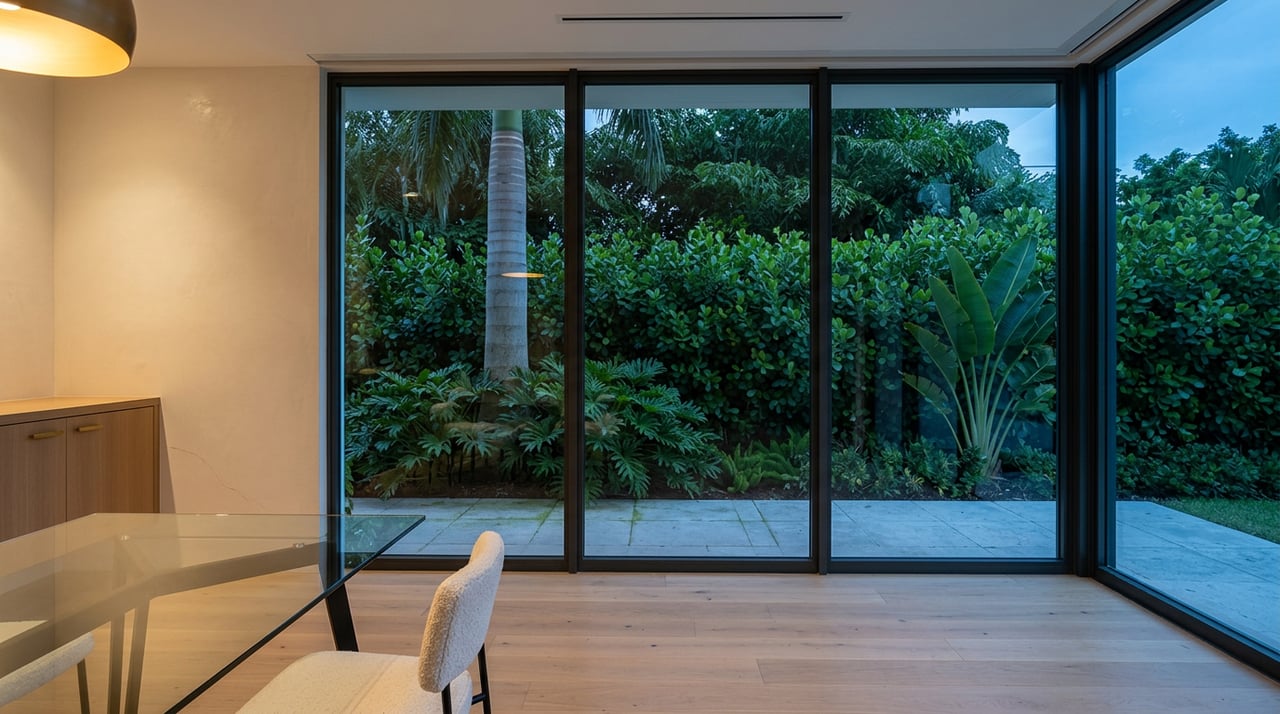
Architecturally, Pinecrest is not dominated by a single style, classic ranch-style homes from the 1950s and 1960s sit alongside Mediterranean-inspired estates, as well as newer contemporary builds that introduce clean lines, open interiors, and resort-style indoor–outdoor living.
Ultra-luxury properties are a consistent presence in Pinecrest, particularly along its larger interior lots and quieter corridors. If affluent buyers are considering new construction here, they are often entering the ultra-luxury tier, with custom design, high-end finishes, modern architecture, and a strong emphasis on privacy and scale.
Renovations here tend to expand and modernize existing homes rather than replace them entirely. Many buyers choose to preserve the structure and character of older residences while updating them to reflect contemporary living standards.
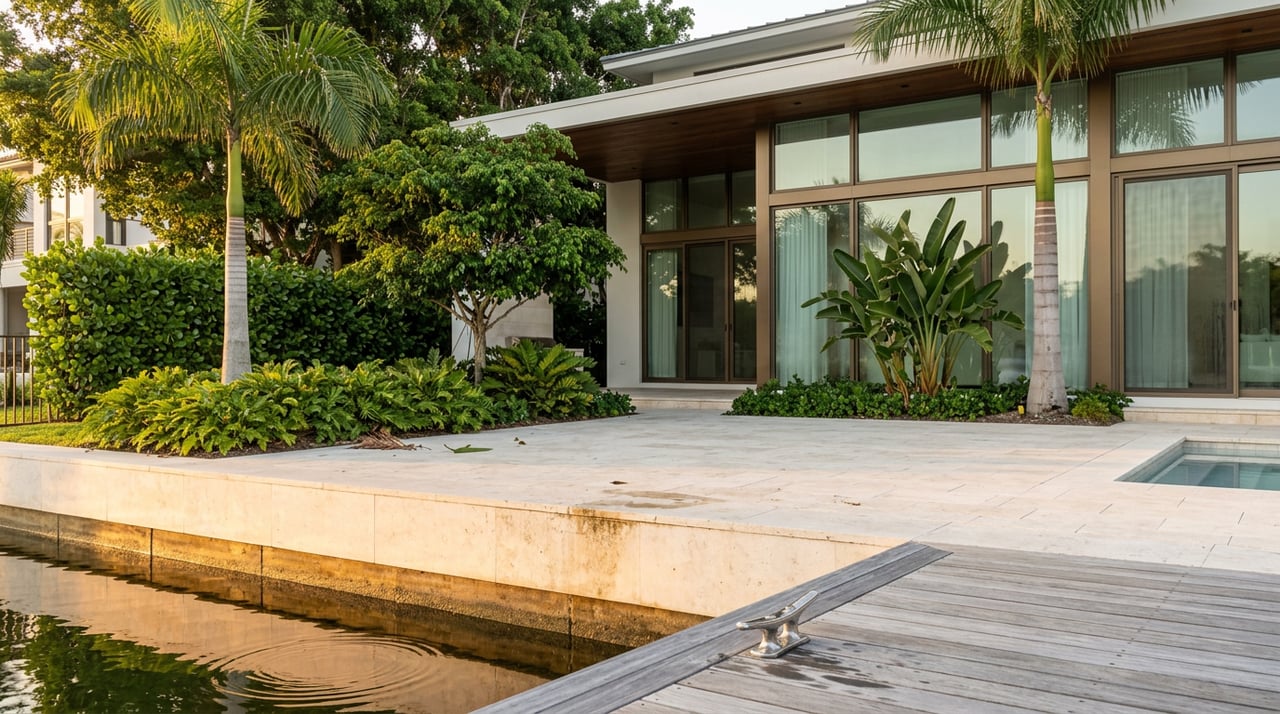
Canal-front and lake-adjacent homes also exist within Pinecrest, offering water views without sacrificing scale or privacy. These properties are often designed to balance openness toward the water with landscaped buffers that maintain a sense of retreat.
Strict zoning and land-use regulations reinforce Pinecrest’s low-density, residential character, helping preserve the quiet, spacious environment that underpins both the lifestyle and the long-term value of the community.
Palmetto Bay
Palmetto Bay is likewise not dominated by a single architectural style, and it tends to display greater variety from street to street, giving the area a more eclectic and layered residential character.
The housing stock is predominantly single-family, but with more diversity in form and era. Traditional Florida ranch-style homes sit alongside updated mid-century residences and contemporary renovations that introduce modern layouts and materials into established settings.
Lot sizes in Palmetto Bay are generally more moderate on average than in Pinecrest, but they remain generous by Miami standards. Homes are not built on top of one another, and parcels tend to provide comfortable spacing between residences, contributing to a sense of openness while still fostering a more connected, community-oriented feel.
This balance between space, tranquility, and accessibility is part of what places Palmetto Bay in a category of its own. The village offers a peaceful, residential atmosphere that feels calm and secure, while remaining within convenient reach of Miami’s urban core, including Downtown, Brickell, and surrounding business and cultural centers.
Select townhome and low-density residential communities are also present, offering alternatives for buyers who prefer a smaller footprint or a more maintenance-conscious lifestyle while remaining within a residential setting.
Canal-front and lakefront homes are common in certain parts of Palmetto Bay, particularly in areas oriented toward Biscayne Bay and nearby waterways. These properties often emphasize outdoor living, water access, and relaxed spatial flow, with layouts designed to take advantage of views and recreational use of the water.
Outdoor Living: Private Grounds vs Shared Amenities
Outdoor living is a defining part of life in both Pinecrest and Palmetto Bay. With year-round warm weather, mature landscapes, and a strong culture of time spent outside, how a home connects to its outdoor space becomes as important as the interior itself.
The distinction between the two villages is whether outdoor living matters and how it’s experienced and integrated into daily life.
Pinecrest
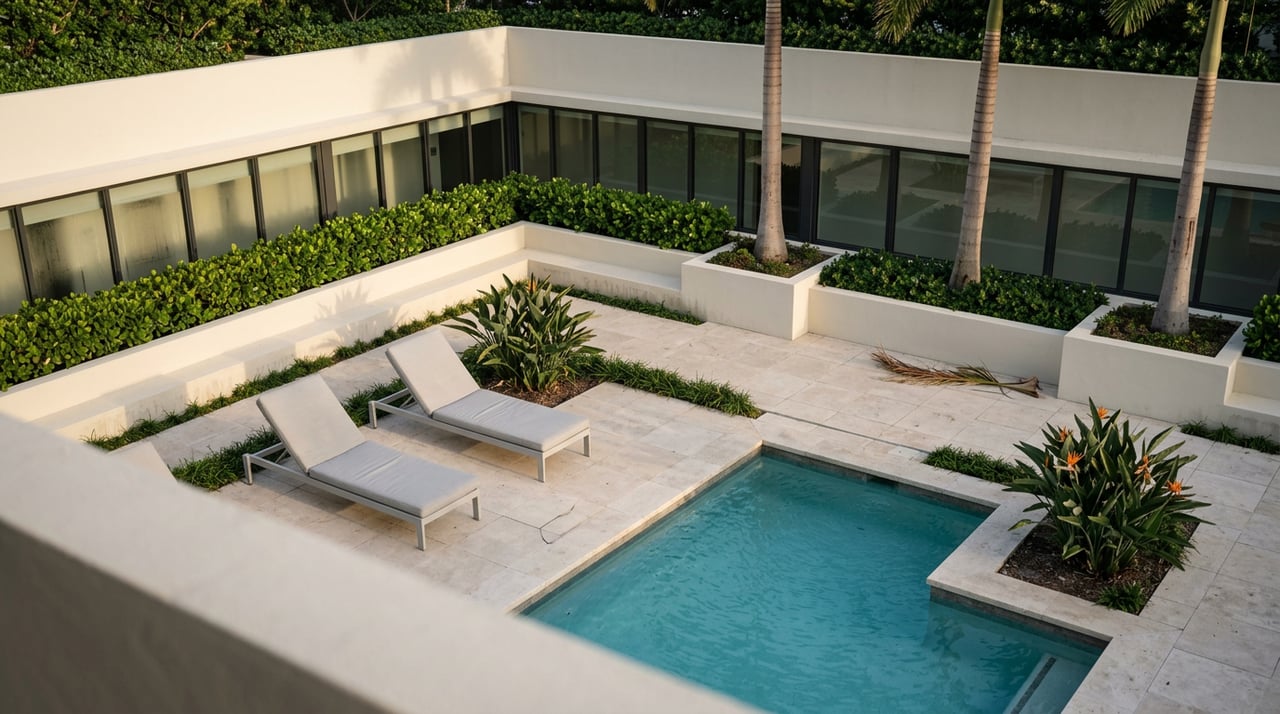
In Pinecrest, outdoor living is centered primarily around the home itself. Larger parcels allow residents to create private outdoor environments that function as extensions of the interior. Pools, landscaped gardens, shaded patios, and outdoor kitchens are common features.
Entertainment and leisure tend to unfold within the boundaries of the property. Family gatherings, weekend barbecues, and quiet evenings outside are often enjoyed in a more private, self-contained way, shaped by the scale and design of the home.
At the same time, Pinecrest also offers well-loved shared outdoor spaces that bring the community together. Pinecrest Gardens, a 20-acre botanical park, serves as a cultural and recreational anchor, offering walking trails, a children’s splash zone, a petting zoo, and an amphitheater that hosts art fairs, concerts, the popular weekly farmers market, and the annual Nights of Lights holiday festival.
The Pinecrest Community Center functions as the social heart of the village, with a gym, playgrounds, classes, and year-round community events that draw residents together across generations, all set alongside the Pinecrest Library and Pinecrest Gardens on a shared civic campus.
Beyond these central spaces, Pinecrest is supported by a network of neighborhood parks that shape daily routines. Coral Pine Park is popular for tennis and casual recreation, Suniland Park anchors youth sports, and Evelyn Greer Park serves as a hub for softball and baseball leagues, community gatherings like the monthly Pinecrest Business Association meetings, and seasonal traditions such as the annual Track or Treat Halloween event, alongside open green space ideal for walking, biking, and weekend outings.
All these create an outdoor lifestyle that balances privacy at home with curated opportunities for connection beyond it, reinforcing Pinecrest’s identity as both a retreat and a true residential community.
Palmetto Bay
In Palmetto Bay, outdoor living often extends beyond the boundaries of an individual lot and becomes part of everyday life. With a reputation as the “Village of Parks,” the area is designed to encourage time outside, whether in your own yard or shared public spaces.
Golf carts are a normal sight, and community-oriented traditions such as the annual July 4th Golf Cart Parade reflect how neighbors interact with space and with one another. These rituals reinforce Palmetto Bay’s connected, village-style outdoor culture.
Proximity to bayfront parks, marinas, and coastal recreation shapes how many residents spend their weekends. Black Point Park & Marina remains a central gathering place for boating, fishing, waterfront walks, casual picnics overlooking Biscayne Bay, and relaxed meals at local favorites like Black Point Ocean Grill, making water access part of everyday life.
Palmetto Bay’s public spaces are layered and varied. Coral Reef Park hosts the weekly Sunday farmers market, where residents gather for local produce, flowers, baked goods, and neighborhood conversation, alongside tennis courts, racquetball facilities, and walking trails. Deering Estate, a more than 400-acre historic preserve, offers birdwatching, nature tours, festivals, and cultural programming set within one of South Florida’s most significant natural and architectural landscapes.
Smaller neighborhood parks such as Palmetto Bay Park, Ludovici Park along the bay, and Perrine Wayside water Dog Park provide quieter pockets for recreation and daily routines, reinforcing how green space is woven into life at every scale.
While the village itself feels immersed in nature, daily convenience is never far. Shops, cafés, fitness studios, grocery stores, and services line nearby US-1, and destinations such as The Falls shopping district and the Palmetto Golf Course provide additional layers of activity just minutes away. These elements create a lifestyle where the outdoors shapes a way of life that feels relaxed and deeply connected.
Schools, Family Life, and Daily Logistics
Pinecrest and Palmetto Bay both draw families for similar reasons: high-performing schools and a sense that these are places designed for long-term living.
Both villages are served by Miami-Dade County Public Schools, along with a range of private and charter options in the surrounding area. This creates a broad educational landscape, but one that varies meaningfully from block to block.
Within Pinecrest, schools are a particularly strong draw. Pinecrest Elementary consistently ranks among the area’s top public schools, while the School for Advanced Studies is widely regarded as one of the strongest academic high schools in the state. On the private side, families have access to respected institutions such as Gulliver Prep, Saint Louis Covenant School, and Pinecrest Presbyterian Day School, options that reinforce Pinecrest’s reputation as a long-term, family-centered community.
Palmetto Bay is equally sought after for its educational environment. Public schools such as Coral Reef and Howard Drive Elementary serve the area, many offering Magnet, Cambridge, International, or Choice programs that allow families to tailor academic paths to their children’s interests. Private options, including Westminster Christian School, Palmer Trinity, and Alexander Montessori, further expand the range of educational approaches available.
Which is the Right Fit, Pinecrest or Palmetto Bay?
Pinecrest and Palmetto Bay appeal to many of the same buyers because the lifestyle fundamentals are similar, with established residential neighborhoods and a pace of life centered around home.
Pinecrest often resonates with buyers who value the ability to shape private outdoor environments entirely within their own property, greater physical separation between homes, and larger parcels. The village also carries a stronger ultra-luxury presence, particularly in its estate-style homes and custom new construction.
Palmetto Bay tends to attract buyers who appreciate more variety in housing styles, proximity to water, and how outdoor space is shared across parks, marinas, and community settings.
For most buyers, the decision becomes clearer when practical priorities come into focus:
-
How much land and physical space feels right for everyday living
-
Whether proximity to water and outdoor recreation is part of daily life or an occasional indulgence
-
How well a home supports long-term routines, family needs, and evolving lifestyles
When those priorities are clearly defined, one village usually begins to feel more intuitive than the other.
“When buyers compare Pinecrest and Palmetto Bay, the conversation usually comes down to how they want to use their space as well as what they want to invest. Both offer privacy, strong family environments, and even waterfront living in certain areas. The difference is in scale and setting. Pinecrest tends to offer more land and estate-style layouts, while Palmetto Bay offers a wider mix of homes and water access woven into the neighborhood. Both have luxury home options, with Pinecrest offering ultra-luxury properties; however, Palmetto Bay has more moderate options. Once buyers understand how these factors line up with their lifestyle vision, the right choice becomes clear.”
— Mauricio Barba, Miami Signature Homes
Pinecrest and Palmetto Bay Top Luxury Real Estate Agent
Mauricio Barba brings a long-standing, highly specialized perspective to Miami’s residential market, guiding clients who value discretion, clarity, and access beyond what is publicly visible.
From estate properties in Pinecrest to waterfront and community-oriented homes in Palmetto Bay, every search is approached with a tailored strategy designed to protect both outcome and experience. Mauricio and his team support clients 24/7 with white-glove service, ensuring each decision is informed, thoughtful, and aligned with long-term priorities.
Private consultations are available by invitation only.