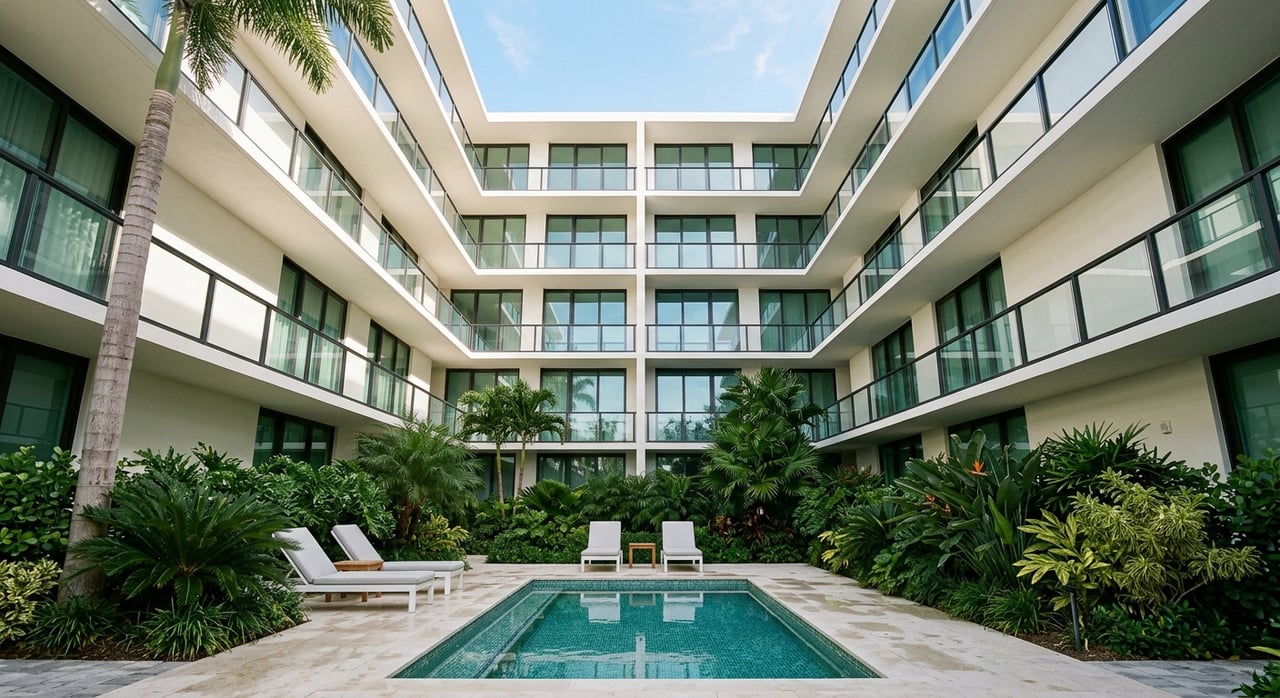
Are you drawn to the quiet charm of a smaller Miami Beach condo building, or do you want the full-service experience of a soaring tower? In this market, that choice matters more than many buyers expect. Your day-to-day lifestyle, privacy, monthly carrying costs, and even your due diligence process can look very different depending on the building type. Let’s break down how boutique condos and mega-towers compare in Miami Beach so you can focus on the fit that works best for you.
Miami Beach condo choices stand out
Miami Beach offers an unusually wide mix of building styles and scales. According to the City of Miami Beach, the city’s planning approach aims to preserve its unique design heritage while supporting a diverse urban experience across residential and resort areas. That helps explain why you can find older low-density buildings, mid-size boutique projects, and large luxury towers in the same market.
This is also a place where condo demand is shaped by both full-time residents and second-home buyers. MIAMI REALTORS® reported that Miami Beach had 13,817 vacation homes in 2025, equal to 22% of the housing stock, with $3.4 billion in sales volume that year. The same report said the median condo and townhome sales price reached $500,000 in 2025, up 7.5% year over year.
Boutique condos vs mega-towers
At the simplest level, boutique condos usually offer more privacy and less density, while mega-towers usually offer more services and amenities. Neither is automatically better. The right option depends on how you want to live, how often you will use the property, and how much building infrastructure matters to you.
What defines a boutique condo
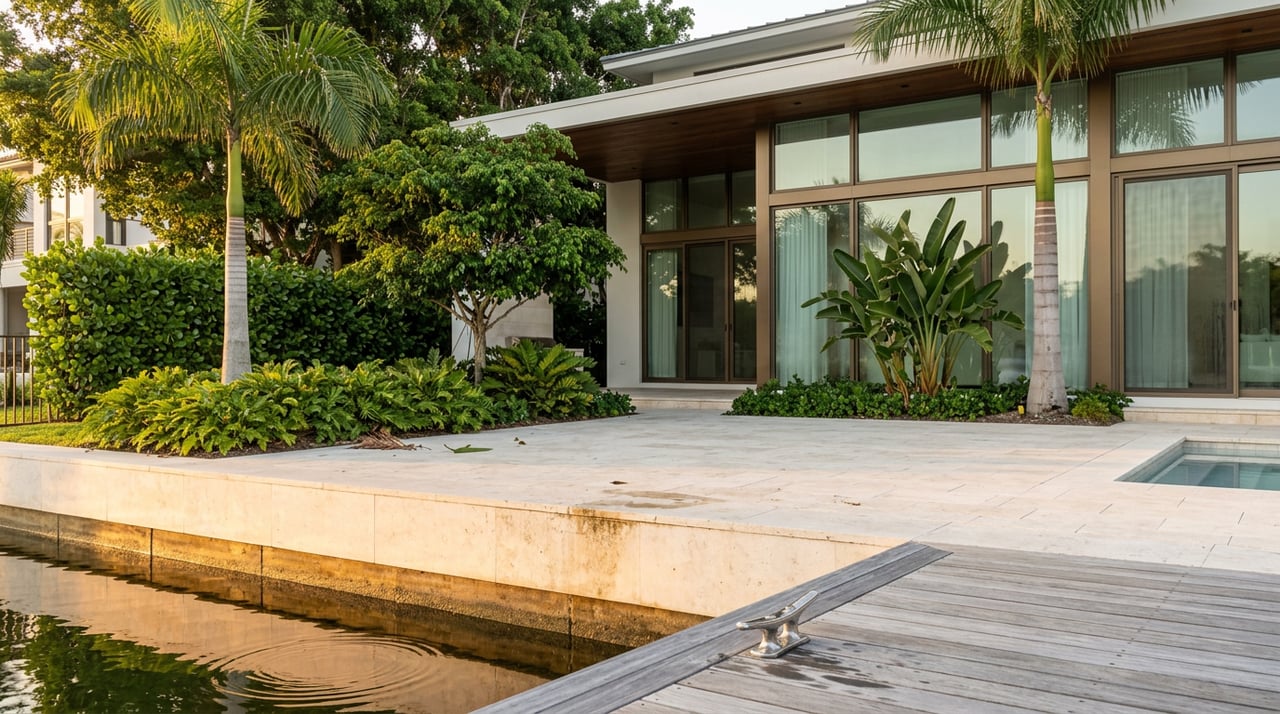
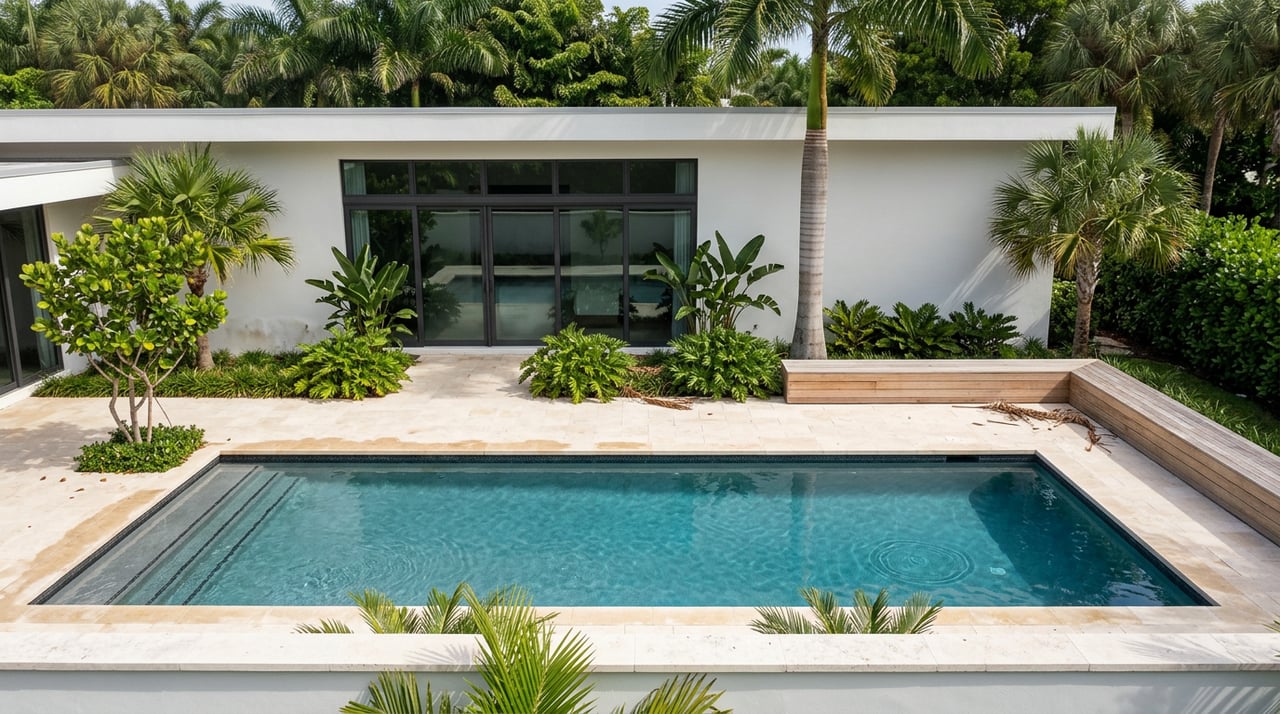
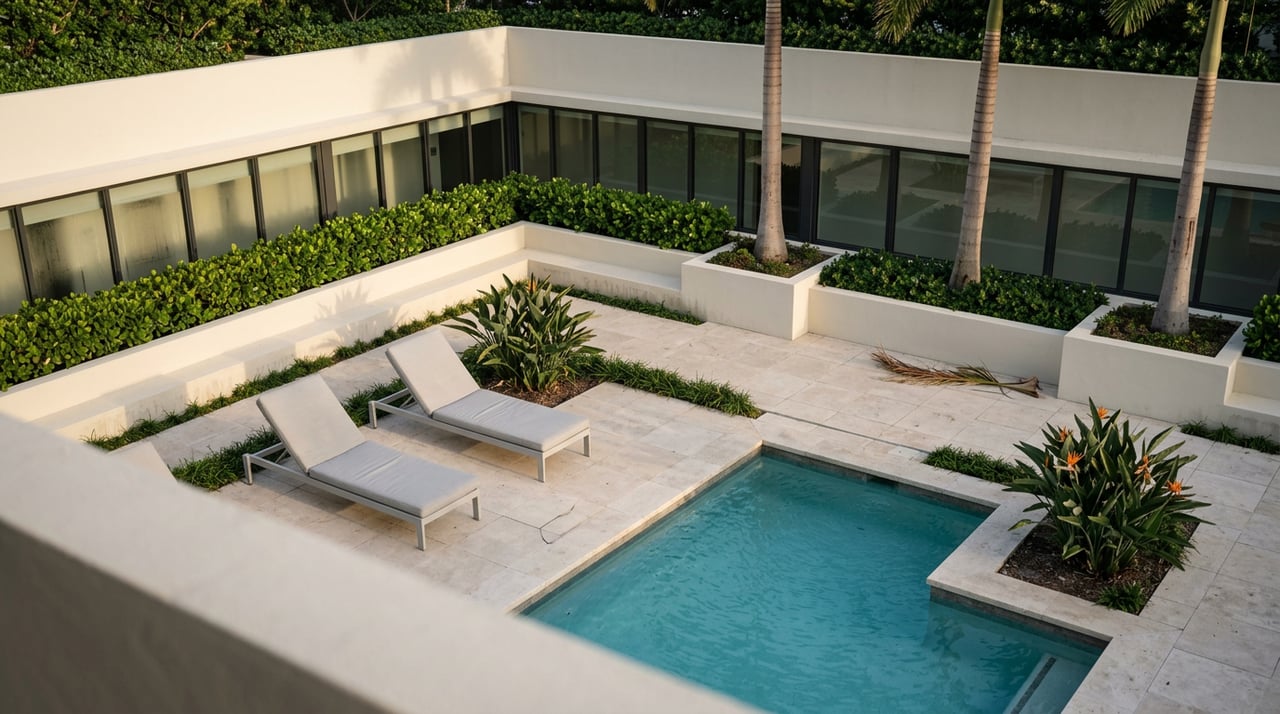
In this comparison, boutique condos are lower-density buildings with fewer units. That smaller scale often creates a quieter atmosphere, less lobby traffic, and a more residential feel. Buyers who value privacy, character, and a less crowded environment often gravitate toward this format.
For many people, the appeal is emotional as much as practical. A boutique building can feel more personal and less transactional. If you want your home to feel tucked away rather than highly programmed, this can be a strong match.
What defines a mega-tower
Mega-towers are larger high-rises with more shared infrastructure, staffing, and amenity programming. These buildings often concentrate services such as concierge support, valet, pools, spas, and other full-service features in one place. The overall experience can feel closer to a resort or hotel residence.
That setup can be especially attractive if convenience is a top priority. If you want more done for you on-site, and you like having multiple amenities under one roof, a tower may deliver the lifestyle you want.
How daily life feels different
The biggest difference between these options is how much of your living experience is shared with others. In a boutique building, you may notice fewer neighbors in the lobby, less elevator traffic, and a calmer pace. In a mega-tower, you may gain more convenience and activity, but also more movement through common areas.
That tradeoff often comes down to intimacy versus infrastructure. Some buyers want a quieter home base and do not mind a shorter amenity list. Others want the ease of extensive staffing and on-site services, even if the building feels busier.
Privacy and quiet
If privacy is high on your list, boutique buildings often have an edge. Fewer units usually means fewer people using shared spaces at the same time. That can create a more low-key environment that feels better suited to buyers who want a residential tone rather than a highly social one.
This can matter even more if you plan to live in the property full time. A quieter setting may simply feel easier to come home to every day.
Services and convenience
If your priority is convenience, mega-towers often stand out. More staff and larger common areas can support a broader range of services and amenities. For a second-home owner or a buyer who wants a more turnkey setup, that can be a meaningful advantage.
Miami Beach is a major vacation-home market, which helps explain why this model resonates with many buyers. MIAMI REALTORS® ranked Miami Beach as the nation’s number two vacation-home market, and reported that 76% of condo and townhome sales across South Florida vacation-home markets were all-cash in 2025.
Costs are about more than price
When you compare condos in Miami Beach, the purchase price is only part of the picture. Shared amenities, staffing, maintenance demands, insurance, and reserves all affect your monthly and long-term costs. In many cases, the real financial difference between a boutique condo and a mega-tower shows up after closing.
Florida condo owners have been dealing with higher HOA dues, insurance costs, maintenance requirements, and special assessment concerns. Redfin has linked softer condo demand to these pressures, especially in coastal buildings. That does not mean a boutique building is always cheaper or a tower is always more expensive, but it does mean you should compare the full carrying cost carefully.
Why fees can vary
A tower with extensive services may have a very different budget structure than a smaller building. More employees, more equipment, more common space, and more amenities can increase ongoing operating costs. At the same time, a smaller building may have fewer owners sharing future repair costs.
That is why two condos with similar asking prices can feel very different financially over time. Looking only at list price can hide the true cost of ownership.
What to review before you decide
As you compare options, review these items closely:
- Current HOA dues
- Reserve funding levels
- Recent or pending special assessments
- Insurance-related cost pressures
- Scope of amenities and staffing
- Building maintenance history
Older buildings need stronger due diligence
In Miami Beach, building age and compliance matter. Florida requires residential condominium associations to complete a structural integrity reserve study at least every 10 years for buildings that are three habitable stories or higher. For associations that existed on or before July 1, 2022, the first study was due by December 31, 2025, with a possible extension to December 31, 2026 if completed with a milestone inspection.
Miami-Dade County also has its own recertification program. The county states that coastal condo and cooperative buildings three stories or taller built after 1998 must be recertified at age 25 and every 10 years after that, while other post-1992 buildings follow a 30-year cycle.
Why this matters for buyers
These rules affect both boutique buildings and large towers, but they can play out differently from one association to another. Miami-Dade says recertification can include façade review, structural glazing inspection, infrared electrical inspection, document-history review, and checks for unsafe conditions or unpermitted work. For you as a buyer, that means the inspection and reserve picture deserves serious attention.
This is especially important if you are considering an older boutique property with strong character and a desirable location. The charm may be real, but reserve strength, pending repairs, and assessment exposure can vary widely from building to building.
Age does not tell the whole story
Older does not automatically mean less desirable or less marketable. MIAMI REALTORS® reported that in Miami-Dade, condos in buildings 30 years or older sold faster than newer condos in 2025. That suggests buyers still respond to value, location, and well-maintained buildings when financing and compliance line up.
Which option fits your lifestyle
The best choice usually becomes clearer when you think about how you will actually use the property. A full-time resident often values different things than a second-home buyer. A buyer focused on peaceful day-to-day living may not rank amenities the same way as someone who wants lock-and-leave ease.
Boutique condos may fit you if
- You want a quieter, lower-traffic environment
- You value privacy and a more residential feel
- You prefer character, design, and location over a long amenity list
- You expect to use the home as a primary residence or regular retreat
Mega-towers may fit you if
- You want more on-site services and staffing
- You prefer a turnkey, lock-and-leave setup
- You expect to use amenities often
- You value convenience and building infrastructure over intimacy
This can also matter for cross-border and second-home buyers. MIAMI REALTORS® reported that international buyers accounted for 49% of new South Florida construction, pre-construction, and condo-conversion sales over an 18-month period ending in July 2025, which helps explain the continued appeal of service-heavy condo living.
Questions to ask when touring
When you compare Miami Beach listings, asking the right building-level questions can save you time and money. A beautiful unit does not tell you everything you need to know about the ownership experience. The building itself deserves just as much scrutiny as the residence.
Use this checklist as a starting point:
- How many units are in the building?
- How busy do the lobby, elevators, and common areas feel?
- What amenities are actually maintained and staffed?
- What is the association’s reserve position?
- Have there been recent or pending special assessments?
- Has the building completed required inspections or recertification work?
- What maintenance projects are upcoming?
- Are there building-specific rental rules or financing constraints?
- How do insurance costs affect the monthly ownership picture?
The real choice: intimacy or infrastructure
In Miami Beach, boutique condos and mega-towers can both be excellent choices. Boutique buildings usually trade on privacy, scale, and character. Mega-towers usually trade on service, amenities, and convenience.
The key is to match the building to your real priorities, not just the marketing. If you want help comparing condo options in Miami Beach with a clear eye on lifestyle, carrying costs, and building due diligence, The Miami Signature Homes offers senior-level guidance tailored to your goals.
FAQs
What is a boutique condo in Miami Beach?
- A boutique condo in Miami Beach is generally a lower-density building with fewer units, offering a quieter and more private residential feel.
What is a mega-tower condo in Miami Beach?
- A mega-tower condo in Miami Beach is a larger full-service high-rise with more shared infrastructure, staffing, and amenities such as concierge support, valet, pools, or spa-style features.
Are boutique condos cheaper than mega-towers in Miami Beach?
- Not always. A boutique condo may have fewer amenities, but buyers still need to review HOA dues, reserve funding, insurance costs, and any special assessments to understand total ownership cost.
Do older Miami Beach condo buildings require extra due diligence?
- Yes. Buyers should review reserve studies, recertification history, pending repairs, special assessments, and inspection records, especially for older buildings.
Are older condos still selling well in Miami-Dade County?
- Yes. MIAMI REALTORS® reported that condos in Miami-Dade buildings 30 years or older sold faster than newer condos in 2025.
Who usually prefers mega-towers in Miami Beach?
- Mega-towers often appeal to second-home buyers, cross-border buyers, and others who prioritize turnkey convenience, services, and on-site amenities.
How do I choose between a boutique condo and a mega-tower in Miami Beach?
- Start by deciding whether you value privacy and a quieter setting more than services and amenities, then compare each building’s fees, reserves, inspection status, and long-term maintenance outlook.