If you are drawn to water but do not want the feel of a dense waterfront district, Palmetto Bay offers a different kind of coastal lifestyle. Along the village’s eastern side, bayfront and near-bay living is shaped by shade, parks, larger residential lots, and everyday access to nature. If you are wondering what it is really like to live near Biscayne Bay here, this guide will help you understand the setting, lifestyle, housing character, and market context. Let’s dive in.
What Bayfront Living Feels Like
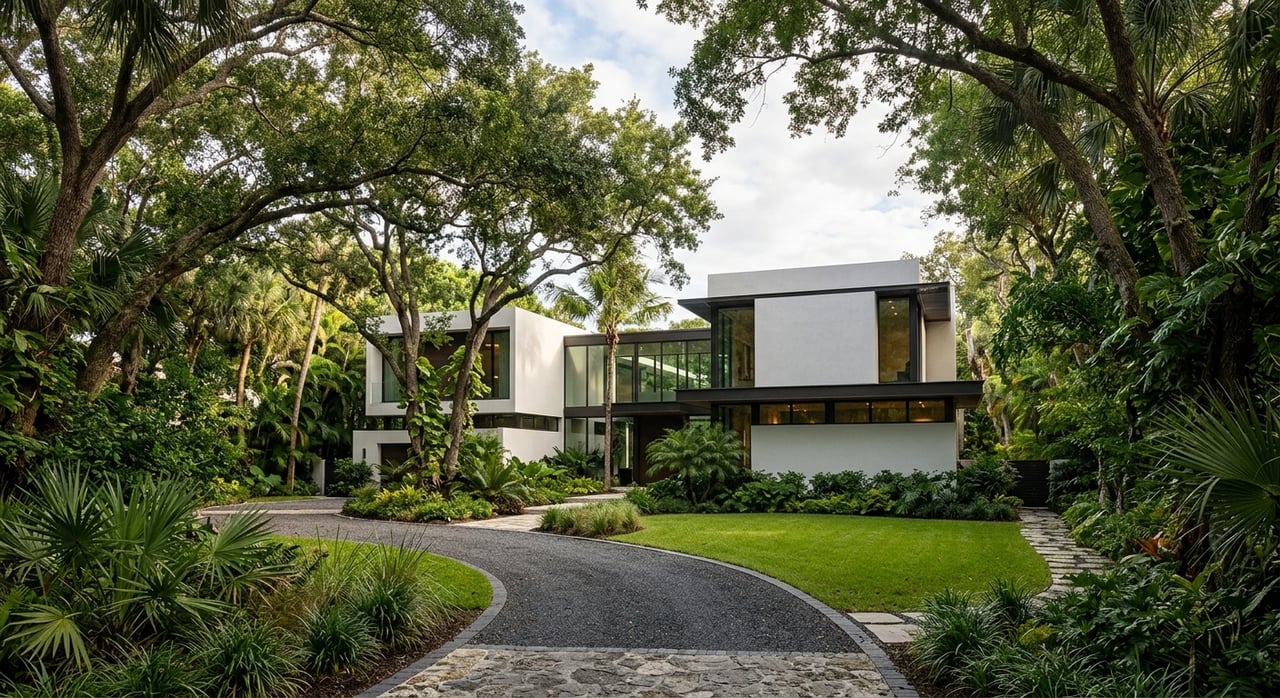
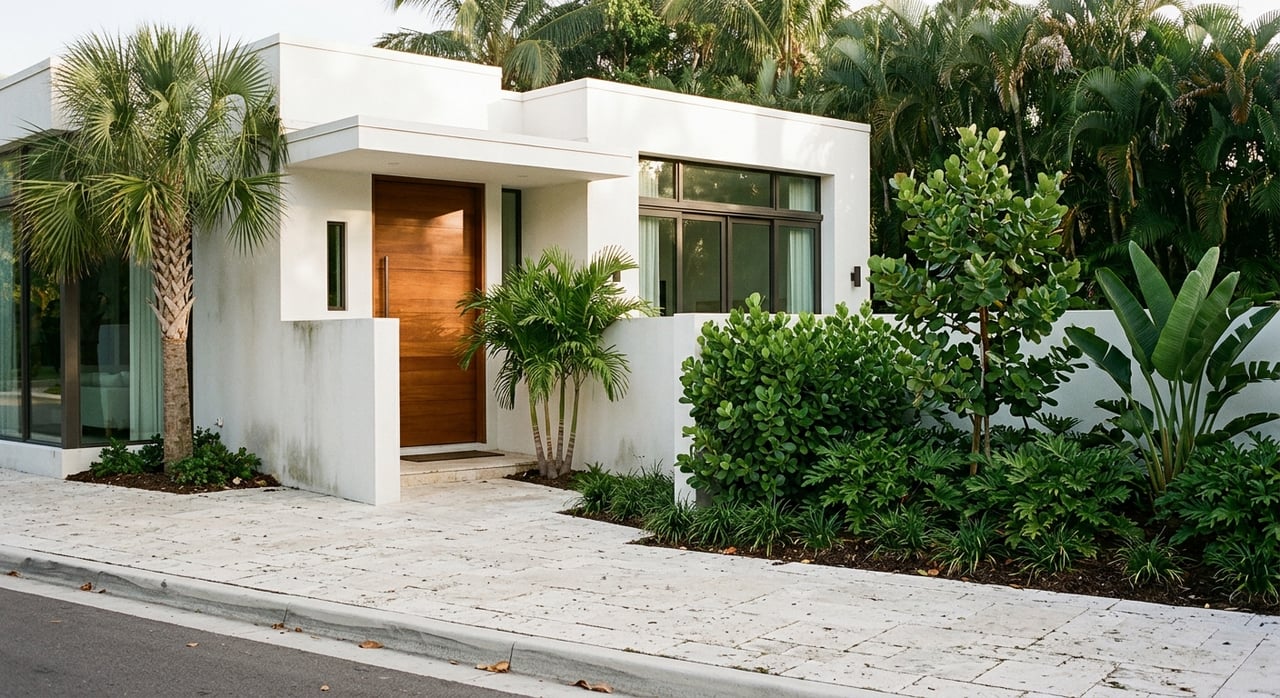
Palmetto Bay’s official land-use plan is centered on detached single-family homes, especially in estate-density and low-density areas. Some low-medium areas can also include townhomes and low-rise condominiums, but the overall pattern remains suburban and residential. That means the bay-adjacent parts of the village tend to feel quieter and more established than a high-rise waterfront setting.
The street-level atmosphere is also shaped by greenery. Palmetto Bay is a Tree City USA municipality, and its Shading Palmetto Bay program plants native trees in swales in front of homes to expand shade and habitat. Combined with the village’s planning focus on walking, bicycling, and greenways, this helps create a slower-paced, canopy-rich environment.
Palmetto Bay also calls itself the Village of Parks, with seven recreational facilities across the community. That park-oriented identity adds to the overall feel near the bay. Instead of a waterfront built around towers and heavy commercial activity, you will find a setting that leans more toward open space, outdoor routines, and residential privacy.
Why Biscayne Bay Shapes the Area
In Palmetto Bay, Biscayne Bay is more than a view. Miami-Dade describes it as a shallow subtropical estuary, a county-designated aquatic park, and a conservation area. That environmental role gives the bay a strong presence in the area’s identity.
The village’s comprehensive plan reflects that reality. It emphasizes protection of coastal wetlands, living marine resources, and wildlife habitats, while also supporting shoreline access that minimizes harm to mangroves and marshes. The plan specifically identifies the Deering Estate and the south shoreline of Paradise Point as mangrove protection areas.
For you as a buyer or homeowner, that means the bay edge here comes with a strong sense of stewardship. The shoreline is not treated as a blank canvas for intense development. Instead, the area balances access to the water with long-term attention to natural systems and coastal character.
Key Bayfront Landmarks
Deering Estate
The Deering Estate is one of the defining anchors of Palmetto Bay’s bayfront. Located just east of Old Cutler Road and SW 168 Street, it is accessible by the Turnpike, US-1, and Old Cutler Road. For many residents, it represents the area’s blend of history, ecology, and access to Biscayne Bay.
The estate is also a major nature destination. It reports more than 170 resident and migratory bird species and is part of the Biscayne Bay Important Bird Area and the Great Florida Birding and Wildlife Trail. If your idea of coastal living includes quiet mornings, wildlife viewing, and protected landscapes, this landmark says a lot about the lifestyle around it.
Thalatta Estate Park
Thalatta Estate Park offers another clear window into near-bay living in Palmetto Bay. This roughly four-acre bayfront park features unobstructed Biscayne Bay views, direct water access, and a walking trail to the water’s edge connected to the Old Cutler Bicycle Trail. It is one of the places where the scenic side of the area becomes immediately visible.
Its historic 1926 Mediterranean Revival house also adds architectural charm. The documented design details include stucco walls, a red clay-tile roof, and arched openings. Those elements help reinforce the broader historic coastal feel that many buyers find appealing in this part of Miami-Dade.
Deering Point
If practical water access matters to you, Deering Point stands out. It is the only location within 13 miles of downtown Miami that offers free public access to Biscayne Bay for canoeing, kayaking, wildlife viewing, and fishing. That is a meaningful amenity for anyone who wants regular contact with the bay without needing a large marina setup.
This kind of access shapes daily life in subtle ways. It makes paddling, birdwatching, and simple time on the water feel more integrated into your week, not just an occasional weekend outing.
Outdoor Life Near the Bay
Near-bay living in Palmetto Bay tends to support a very specific outdoor rhythm. It is less about fast-paced waterfront entertainment and more about being outside in ways that feel calm, practical, and connected to nature. That distinction is important if you are comparing Palmetto Bay with more urban coastal areas.
At the Deering Estate, the People’s Dock allows non-motorized vessel launches and supports fishing and wildlife viewing. The estate also hosts guided wildlife kayak trips on Biscayne Bay. These amenities point to a lifestyle where the water is used actively, but often in a low-key and nature-focused way.
Bill Sadowski Park adds another layer to that routine. The park includes a canoe launch, nature center, nature trail, birdwatching, kayaking, and fishing along the C-100 canal. Together, these features show how outdoor recreation in Palmetto Bay often centers on access, scenery, and ease rather than a resort-style waterfront scene.
What About Boating?
Palmetto Bay and the surrounding area do connect well to broader boating culture. Nearby county marinas include Black Point Park and Marina, which offers a 24-hour boat ramp and a jetty that extends 1.5 miles into Biscayne Bay. Matheson Hammock is also home to a large county marina.
That said, the day-to-day character near the bay in Palmetto Bay leans more toward paddling, walking, birding, and family park use than a marina-dominated lifestyle. If you enjoy boating, you can certainly access it from the broader area. But the immediate local identity is more preserve-oriented and residential.
Housing Character Near the Bay
For many buyers, the appeal of bayfront and near-bay living in Palmetto Bay starts with the housing stock. The village’s land-use categories show that detached single-family homes are the core residential pattern, especially in estate-density and low-density districts. Some townhomes and low-rise condos exist in low-medium areas, but the dominant experience is still one of homes on larger lots.
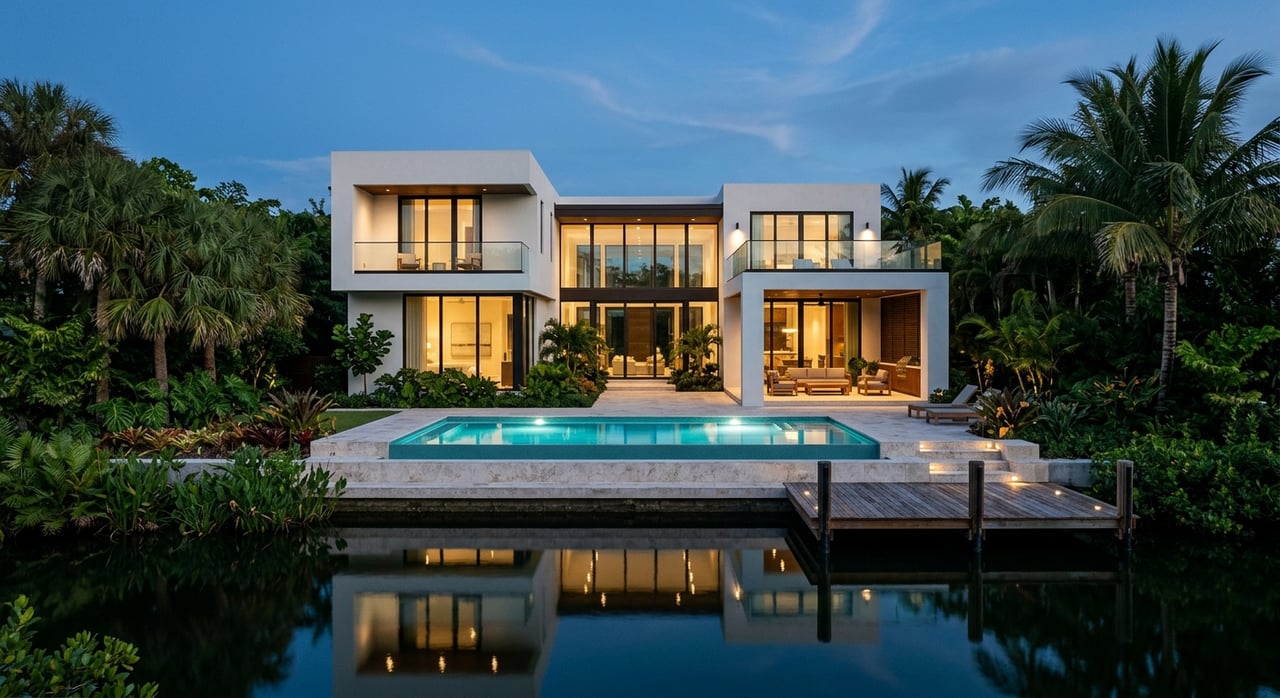
That matters because buyer priorities in this setting are often different from those in denser waterfront markets. Here, people tend to value lot size, mature trees, privacy, outdoor living space, pools, and the potential for water-adjacent views or access. Palmetto Bay’s planning framework, tree canopy, and park system all support those preferences.
Architectural character also plays a role. While homes vary, the area’s bayfront landmarks reflect a historic coastal language that many buyers appreciate. In practical terms, Palmetto Bay often appeals to people who want space, greenery, and a more grounded sense of place near the water.
The Old Cutler Connection
The Old Cutler Path helps tie much of this lifestyle together. Running through the east side of the village, it reflects Palmetto Bay’s focus on bike and pedestrian connectivity. For you, that can mean easier access to scenic routes for walking, biking, and everyday outdoor time.
This matters more than it may seem at first glance. In a near-bay area, quality of life is often shaped by what you can do just outside your front door. A connected path system, mature canopy, and proximity to parks can make the area feel both more usable and more peaceful.
Market Snapshot for Palmetto Bay
If you are considering buying or selling, it helps to pair lifestyle appeal with current market context. In Q4 2025, Palmetto Bay single-family homes posted a median sale price of $1.15 million. The market recorded 66 closed sales, 5.3 months of supply, and a median time to contract of 63 days.
Those numbers suggest a market where thoughtful pricing, strong presentation, and local knowledge matter. In a place where buyers are often evaluating lot size, privacy, tree canopy, and outdoor setting, the details of a home’s location and feel can carry real weight. For sellers, that makes preparation and positioning especially important.
Who Palmetto Bay Near the Bay Suits Best
Bayfront and near-bay living in Palmetto Bay is often a strong fit if you want a residential coastal setting with room to breathe. You may appreciate it most if your priorities include single-family homes, larger lots, mature landscaping, access to parks, and a daily connection to Biscayne Bay without an urban waterfront environment.
It can also be a compelling option if you value outdoor routines that feel natural and easy to maintain. Whether that means walking under tree canopy, launching a kayak, visiting bayfront parks, or simply enjoying a more low-density setting, the area offers a distinct version of South Florida living.
For buyers and sellers alike, that distinction is what makes Palmetto Bay stand out. Its bay edge is not defined by intensity. It is defined by space, greenery, and a quieter relationship with the water.
If you are exploring bayfront or near-bay opportunities in Palmetto Bay, working with an advisor who understands neighborhood nuance can make all the difference. The Miami Signature Homes offers senior-level, hands-on guidance for buyers and sellers who want a clear strategy, local insight, and a more personalized experience.
FAQs
What is bayfront living like in Palmetto Bay?
- Bayfront living in Palmetto Bay tends to feel low-density, shaded, and residential, with detached homes, parks, and access to Biscayne Bay rather than a high-rise waterfront setting.
What are the main bayfront landmarks in Palmetto Bay?
- The main bayfront landmarks include the Deering Estate, Thalatta Estate Park, and Deering Point, each offering a different mix of views, nature access, and shoreline experience.
Does Palmetto Bay offer public access to Biscayne Bay?
- Yes. Deering Point offers free public access to Biscayne Bay for canoeing, kayaking, wildlife viewing, and fishing.
What outdoor activities are common near the bay in Palmetto Bay?
- Common activities include walking, biking, birdwatching, kayaking, canoeing, fishing, and visiting nature-focused parks and shoreline areas.
What types of homes are common near the bay in Palmetto Bay?
- Detached single-family homes are the most common housing type, especially in estate-density and low-density areas, with some townhomes and low-rise condos in low-medium districts.
What is the Palmetto Bay housing market like?
- In Q4 2025, Palmetto Bay single-family homes had a median sale price of $1.15 million, 66 closed sales, 5.3 months of supply, and a median time to contract of 63 days.