What if your island escape were just over the causeway, close to Miami’s energy but quiet enough to truly unwind? If you have been weighing a second home in Key Biscayne, you are not alone. Many buyers love its resort feel, walkable lifestyle, and strong seasonal rental demand. In this guide, you will learn what to expect on price, rules that shape rentals, insurance realities, and the checklists that make remote ownership smooth. Let’s dive in.
Why Key Biscayne works
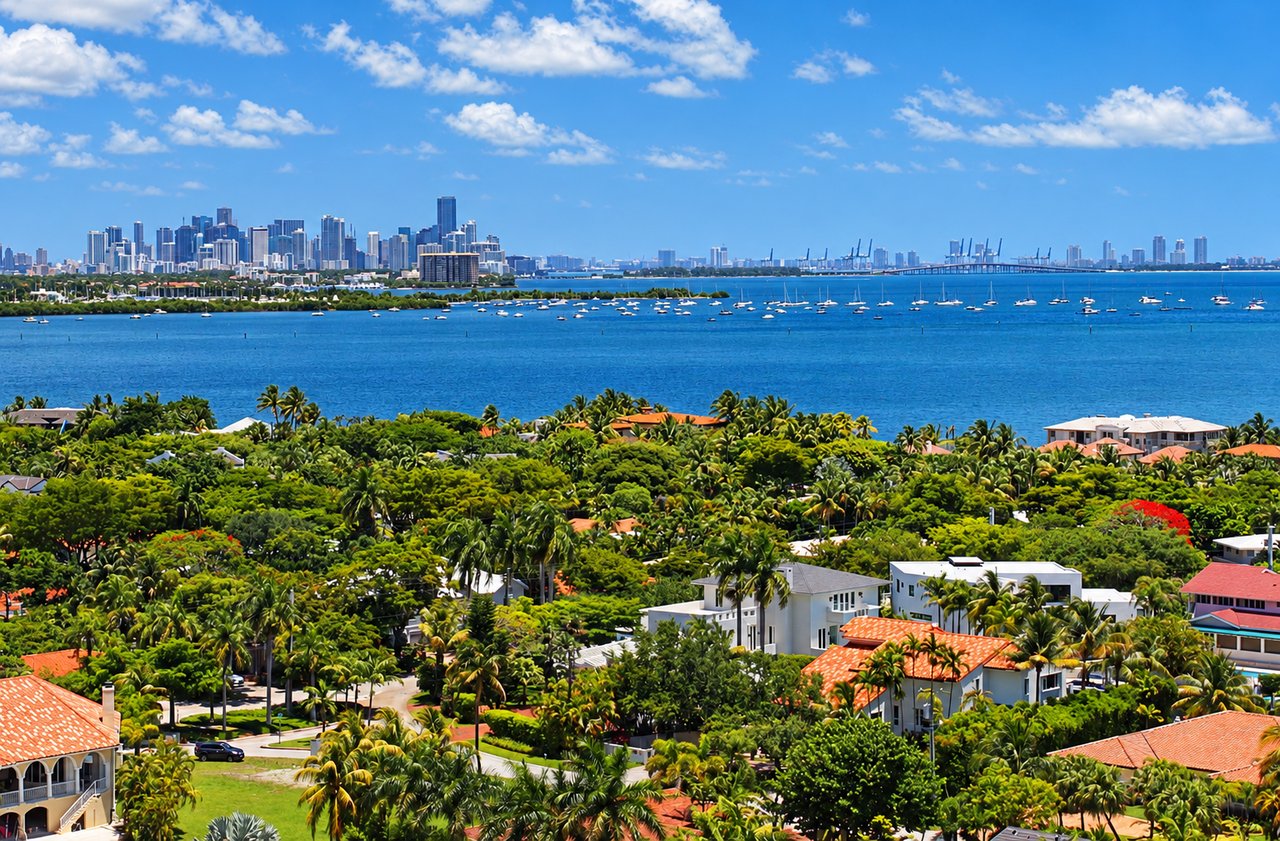
Key Biscayne is a compact, high‑value island market with a mix of amenity‑rich condos and luxury single‑family homes. The setting attracts seasonal residents who want beach time and quick access to greater Miami. Inventory is limited and properties vary widely by view, building age, and renovation level, so careful due diligence pays off. Expect a premium for waterfront, renovated, and newer construction.
Market snapshot in 2026
Because Key Biscayne is small and high end, different data sources report different medians. Zillow’s local home‑value index places typical values near $1.6 million as of January 2026. Realtor.com has shown a neighborhood‑level median listing price near $1.995 million, while some local reports citing closed sales point to medians above $2.5 million for recent 12‑month periods. The takeaway is simple: confirm whether you are looking at listing medians, sold medians, or an index when you compare numbers.
Inventory fluctuates but remains thin. Local market pages summarizing MLS data have shown roughly 100 to 180 active listings at times, with days on market often in the 60 to 130 day range depending on property type and season. That means pricing strategy and presentation matter, and buyers should be ready to act when the right fit appears.
On the rental side, seasonal demand is strongest in winter. Reported medians vary by segment, and premium buildings and short‑season offerings command higher rates. Expect monthly or multi‑week stays to be the norm rather than nightly bookings because of local rules.
Condo or single‑family?
- Condominiums: Often offer beach access, pools, gyms, security, and on‑site staff. Association rules, reserves, and upcoming work can influence carrying costs and flexibility to rent.
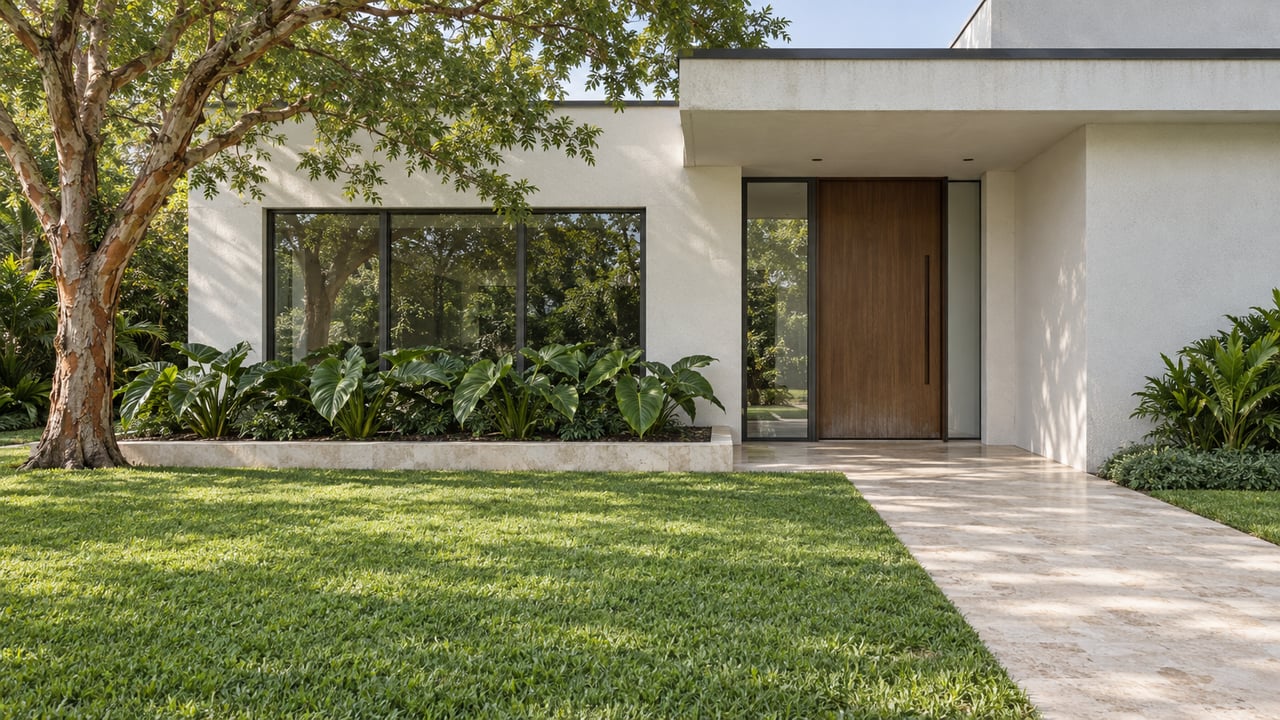
- Single‑family homes: Provide space, privacy, and yard or dock potential. They anchor the top end of sales prices and may require more direct coordination for landscaping, pool, and storm prep.
- Tip: Compare total monthly carrying costs, not just price. For condos, that means HOA dues plus any known or potential special assessments.
Rental rules you must know
Key Biscayne enforces a minimum continuous stay that shapes all rental plans. The Village requires registrations, inspections, and visible permits on listings, and it actively enforces compliance. According to recent coverage, the Village enforces a 15‑day minimum stay and can levy fines for violations, with warnings preceding daily fines as enforcement escalates. Condo documents can be stricter and will control if they limit leasing further. Review the latest coverage on Key Biscayne enforcement to understand the process and fine schedule in practice in the Village’s recent enforcement coverage.
If you plan to rent seasonally:
- Confirm your building or HOA’s lease rules and minimum stays in writing.
- Register for required licenses and inspections before advertising. A summary of local registration, certificates of use, and tax obligations is available in this Key Biscayne rental compliance overview.
- Price and plan for monthly or multi‑week stays, especially in peak season.
Taxes and ownership basics
- Homestead considerations: If you claim a Florida homestead elsewhere, be careful about renting that home. Florida law provides that renting a property for more than 30 days in a calendar year for two consecutive years can be treated as an abandonment of homestead for tax purposes, which could cost you the exemption. Review the statute text to understand the rule and timelines in Florida Statutes 196.061.
- International tax reminders: Nonresidents with U.S. rental income or who later sell may have IRS withholding and filing requirements, including FIRPTA withholding at sale. See the IRS overview for nonresident aliens in Publication 519 and involve a U.S. CPA early.
- Sales and resort taxes: If you rent, you will need to handle Florida sales and any applicable local resort taxes. The local registration and remittance pieces are outlined in the Key Biscayne rental compliance overview.
Insurance, flood, and storm prep
Hurricane season runs from June 1 to November 30, with activity peaking mid‑August through mid‑October. Get familiar with the seasonal pattern in the National Hurricane Center’s hurricane season overview. On a barrier island, windstorm and flood risk are core underwriting factors, and premiums in coastal Miami‑Dade trend higher than inland markets.
What to do as a buyer:
- Order quotes early. Ask a licensed broker for unit‑level quotes for wind, flood, and homeowners coverage. For condos, request the association’s policy certificates and wind deductible schedule.
- Verify flood exposure. Obtain an elevation certificate and confirm whether the property sits in a Special Flood Hazard Area.
- Plan mitigation. Insurers reward features like impact windows, reinforced roof systems, elevated mechanicals, and documented maintenance. Association financial strength and clean engineering reports can support steadier renewals, as market conditions tracked by the Florida Office of Insurance Regulation show for coastal carriers. See the OIR data resources for context on market dynamics at the Florida Office of Insurance Regulation.
- Prepare seasonally. Build a hurricane plan for shuttering, securing outdoor items, and reopening after storms.
Financing your second home
Domestic buyers often use conventional second‑home loan programs, which differ from primary‑residence loans on underwriting and down payment. Review general requirements and down payment expectations in this overview of conventional loan basics for Florida. International buyers frequently pay cash or use foreign‑national lending programs that can require larger down payments and additional documentation. A bilingual team with lender relationships can help you compare options and timelines.
Operating from afar: practical playbook
If you will not be on the island year‑round, build a simple operating plan before closing.
- Property management: For longer leases, managers commonly charge in the mid‑single to low‑teens percent of collected rent. Seasonal or vacation management can run higher because of guest services and turnover. See national ranges in this property management fee summary. Expect some island premium for logistics and service levels.
- Seasonal checklist: Schedule HVAC service before arrival season, and plan for pool and irrigation maintenance. Inspect roofs and exterior seals annually, test shutters or confirm impact glazing, and document appliance serials and warranties in a shared folder.
- Local roster: Line up a handyman, licensed electrician and plumber, landscape and pool vendors, and a storm prep contact. Clear communication and photo check‑ins make remote ownership smoother.
Buying a condo? Do this due diligence
Florida’s post‑Surfside laws require structural milestone inspections and stronger reserves for many older buildings. These reports can reveal work that leads to special assessments. Always request and review:
- Most recent budget and reserve schedule.
- Insurance certificates and wind deductible details.
- Last 12 months of board meeting minutes and any special‑assessment history.
- The latest milestone inspection reports and any reserve study. You can search inspection and compliance information statewide at the Florida DBPR condominium inspections portal.
- Rental and leasing rules, including minimum stays and any owner‑occupancy requirements.
Who buys here and why a local team helps
South Florida’s international buyer share is far above the U.S. average, and foreign purchasers remain a major force in prime coastal submarkets. See the regional context in the MIAMI REALTORS report on international buyer activity. In Key Biscayne, many buyers are second‑home users who value monthly or seasonal occupancy and who plan for longer minimum stays.
A bilingual, senior‑level advisor adds real value in this environment. You get help interpreting association documents, verifying rental rules, coordinating inspectors and insurance brokers, and assembling a closing team that understands cross‑border finance and IRS withholding. If Key Biscayne is on your short list, let’s talk about your timing, wish list, and budget so you can buy with confidence.
Ready to map out your Key Biscayne retreat? Schedule a private consultation with The Miami Signature Homes to get building‑specific intelligence, off‑market access, and a clear plan from search to closing.
FAQs
Are nightly rentals allowed for Key Biscayne second homes?
- No. The Village enforces a 15‑day minimum stay and requires registrations and inspections, and many condo associations are stricter. See recent enforcement details in this local coverage.
How much do Key Biscayne homes cost in 2026?
- Small, high‑end markets show wide medians by source. Zillow’s index places typical values near $1.6M, Realtor.com has shown a median list near $1.995M, and some local reports cite 12‑month sold medians above $2.5M. Confirm whether a number reflects list, sold, or an index and evaluate by property type and view.
Do Florida condo inspections affect Key Biscayne buyers?
- Yes. Many three‑plus‑story buildings require milestone inspections and stronger reserves. Ask for the latest engineering reports, reserve study, budgets, minutes, and any assessment plans. You can review statewide information at the DBPR inspections portal.
Will I need flood and wind insurance on a Key Biscayne second home?
- Likely yes. Lenders often require flood in FEMA‑mapped zones, and coastal wind coverage is a key cost driver. Obtain quotes and an elevation certificate during due diligence and review market context from the Florida Office of Insurance Regulation.
What property management fees should I expect for seasonal rentals?
- Typical ranges are mid‑single to low‑teens percent of collected rent for long‑term leases, and higher for seasonal or vacation models due to guest services. See national ranges in this fee overview, and budget for an island premium.