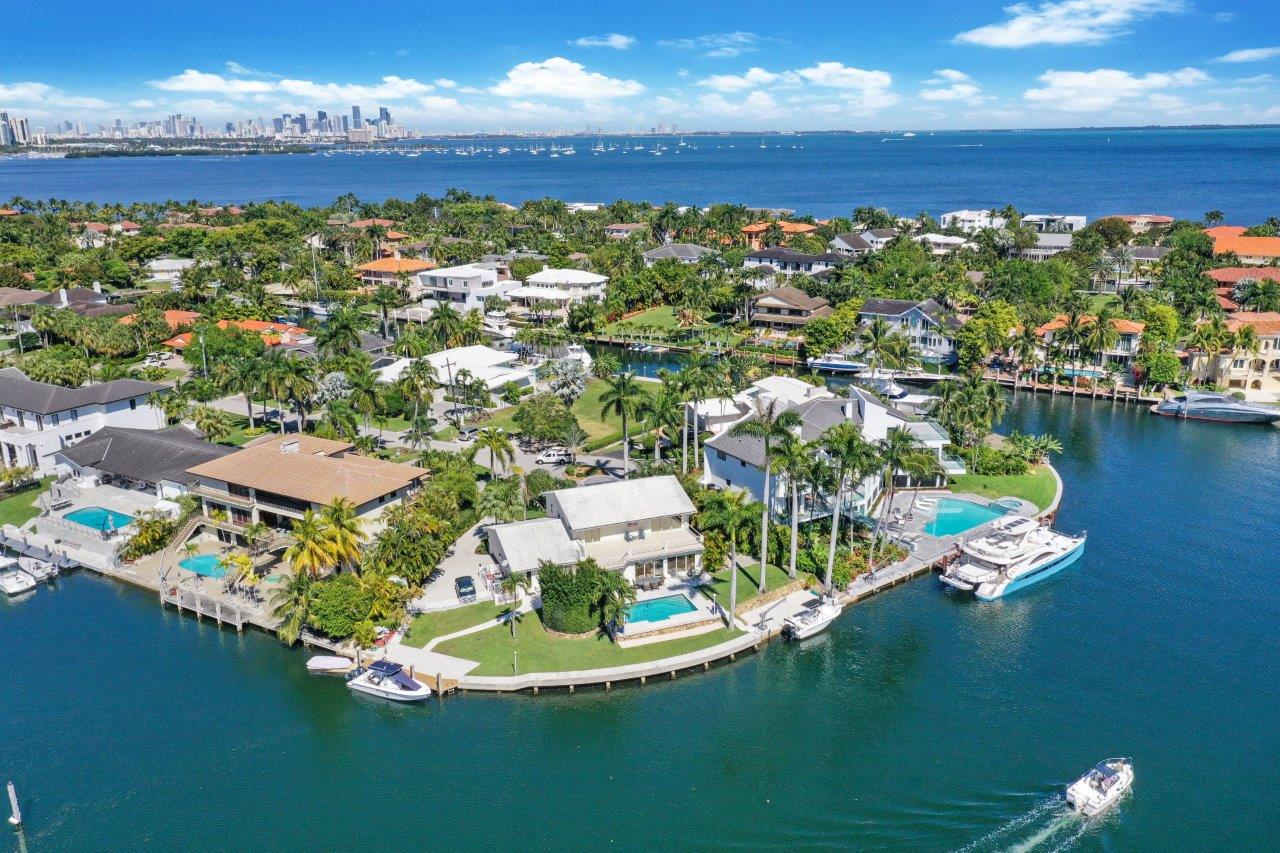
When luxury home buyers come to Miami looking for the best of the best, their search almost always leads to two neighborhoods: Coconut Grove and Coral Gables. Both are extraordinary, both are deeply rooted in Miami’s history, and both attract buyers who value everyday beauty. However, the way each neighborhood expresses luxury feels distinctly its own.
After decades helping families and investors choose between these two coveted enclaves, I can confidently say this: You don’t choose between Coconut Grove and Coral Gables based on price alone; you choose based on personality and lifestyle.
Architectural Identity and Character
Architecture and urban design define the character of both Coconut Grove and Coral Gables, shaping how homes, streets, and spaces come together, and attracting buyers who value identity as much as square footage.
Coral Gables:
Coral Gables offers a sense of timeless certainty. It is a neighborhood defined by Mediterranean Revival and Old Spanish estates, upholding an unparalleled architectural heritage. This cohesion is the result of the strict enforcement of its building codes, which has allowed the community to stay remarkably consistent. This kind of architectural continuity gives affluent buyers a sense of certainty and long-term value. Coral Gables luxury homes like 907 Alhambra Cir, designed in the 1920s under the guidance of Phineas Paist, demonstrate how the city protects timeless artistry for the next generation.
While its historic core is most visible in North Coral Gables, the architectural story of the Gables extends well beyond Old Spanish Revival. As one moves south, particularly along Old Cutler Road and in established estate corridors, the city reveals a broader spectrum of design, including Tropical Modern, Mid-Century, Florida Vernacular, and contemporary resort-style estates. These homes honor the city’s design standards while allowing for architectural expression, resulting in a neighborhood that balances heritage with evolution rather than being defined by a single style.
Coconut Grove:
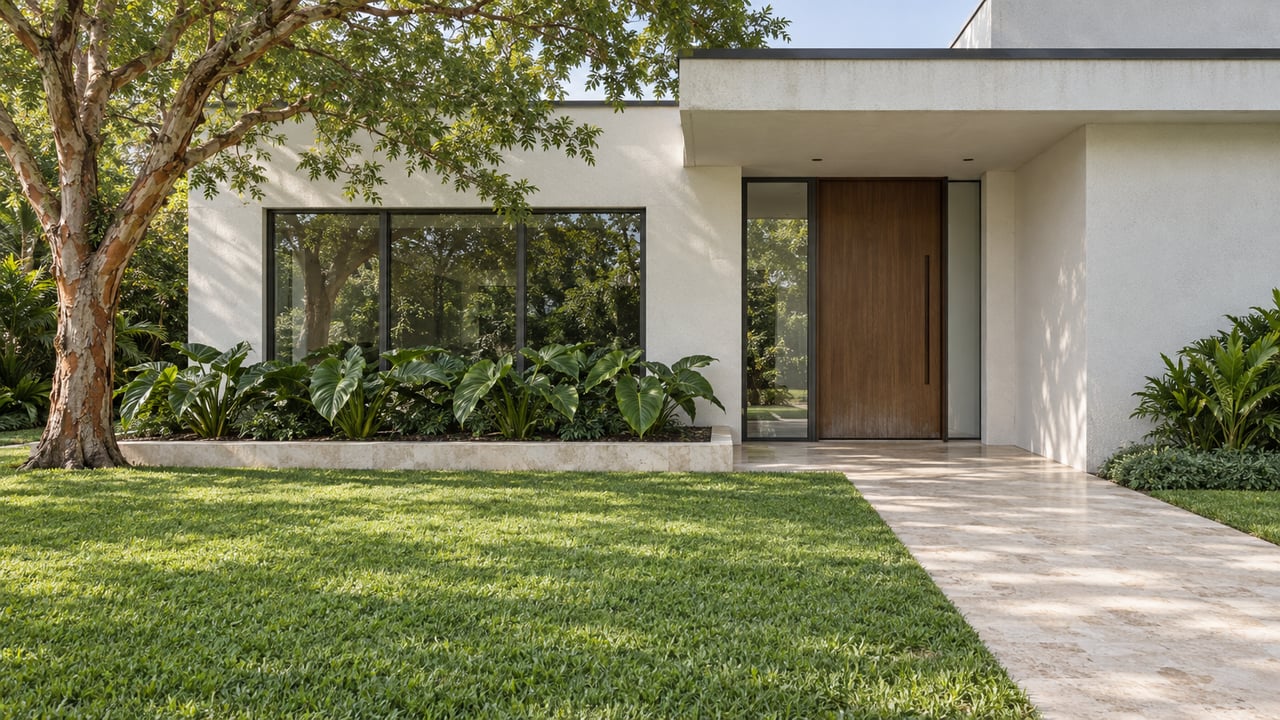
Coconut Grove architecture is intentionally different; it’s organic, lush, and intimate. It reflects its bohemian roots and waterfront soul. Coconut Grove was shaped by artists, sailors, writers, and visionaries who were drawn to its waterfront setting and untamed landscape long before Miami became a global city. As one of Miami’s oldest neighborhoods, Coconut Grove evolved organically, with homes responding to nature. That legacy still defines it today. Historic cottages sit beneath banyan and oak canopies, while modern homes introduce clean lines, glass, and effortless indoor–outdoor living.
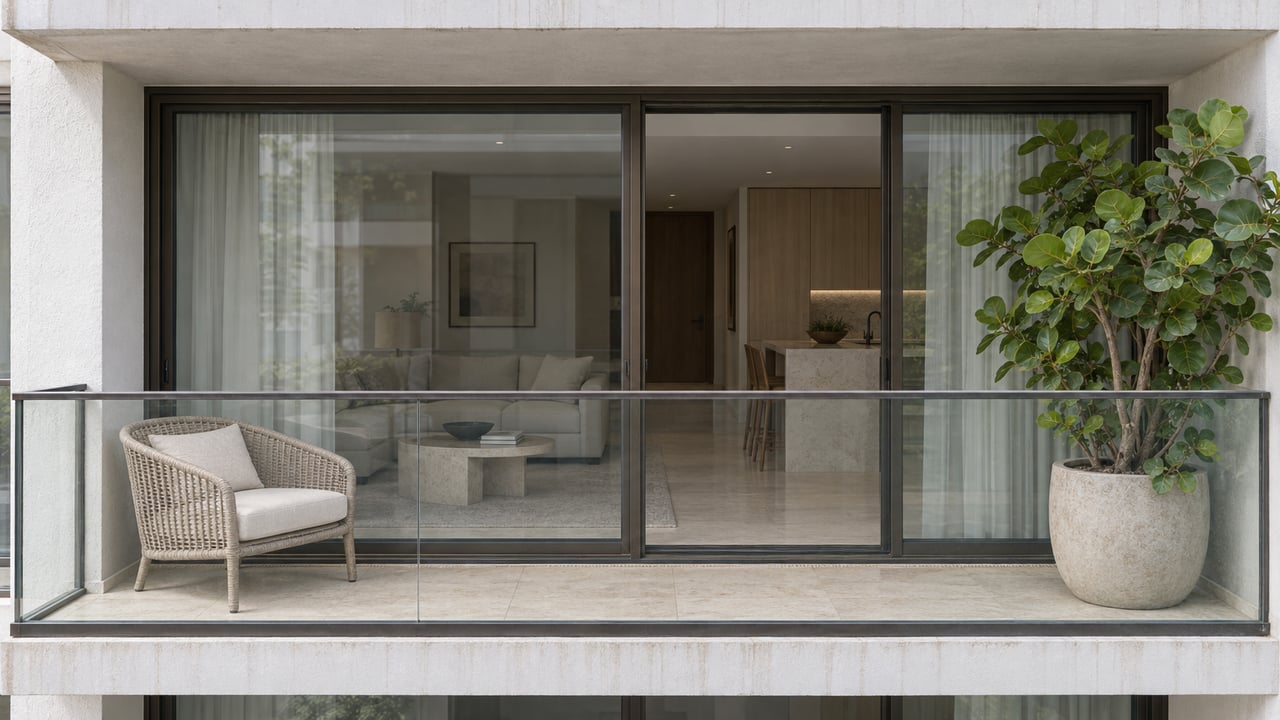
In recent years, this free-spirited foundation has attracted a new wave of luxury development. Boutique condominiums and branded residences have risen carefully alongside The Grove’s natural landscape, offering refined living without sacrificing character. Coconut Grove offers low-rise waterfront buildings to architecturally significant towers. The condos blend high design and resort-level amenities with the neighborhood’s unmistakable blend of boho vibes and chic elegance.
Lifestyle, Atmosphere, and Community Feel
Beyond architecture, the distinction becomes more nuanced. Coconut Grove and Coral Gables share an unwavering commitment to beauty and quality of life, yet each interprets those values through a different lens. The contrast lies in how daily life is curated, how neighborhoods flow, and how luxury is experienced from morning light to evening gatherings. This is where their identities quietly, but unmistakably, take shape.
Coral Gables
Coral Gables delivers a serene residential ambiance characterized by manicured streets and refined elegance. Daily life unfolds along grand boulevards lined with mature trees, where Mediterranean architecture, historic landmarks, and carefully preserved neighborhoods create a sense of permanence that few cities can replicate. Mornings might begin with a walk through tree-lined streets or coffee near Miracle Mile, followed by afternoons shaped around cultural touchstones like the Biltmore Hotel, the Venetian Pool, or a quiet lunch near the Coral Gables Country Club.
What distinguishes the Gables is how seamlessly luxury is woven into everyday living. High-end boutiques, fine dining, private clubs, and cultural institutions are integrated into the fabric of the city rather than concentrated in one area. Coral Gables is also home to some of the most sought-after neighborhoods in the world, like Gables Estates, Snapper Creek Lakes, and Old Cutler Bay, which stand as the ultimate expression of refined, lasting luxury in South Florida.
Coconut Grove
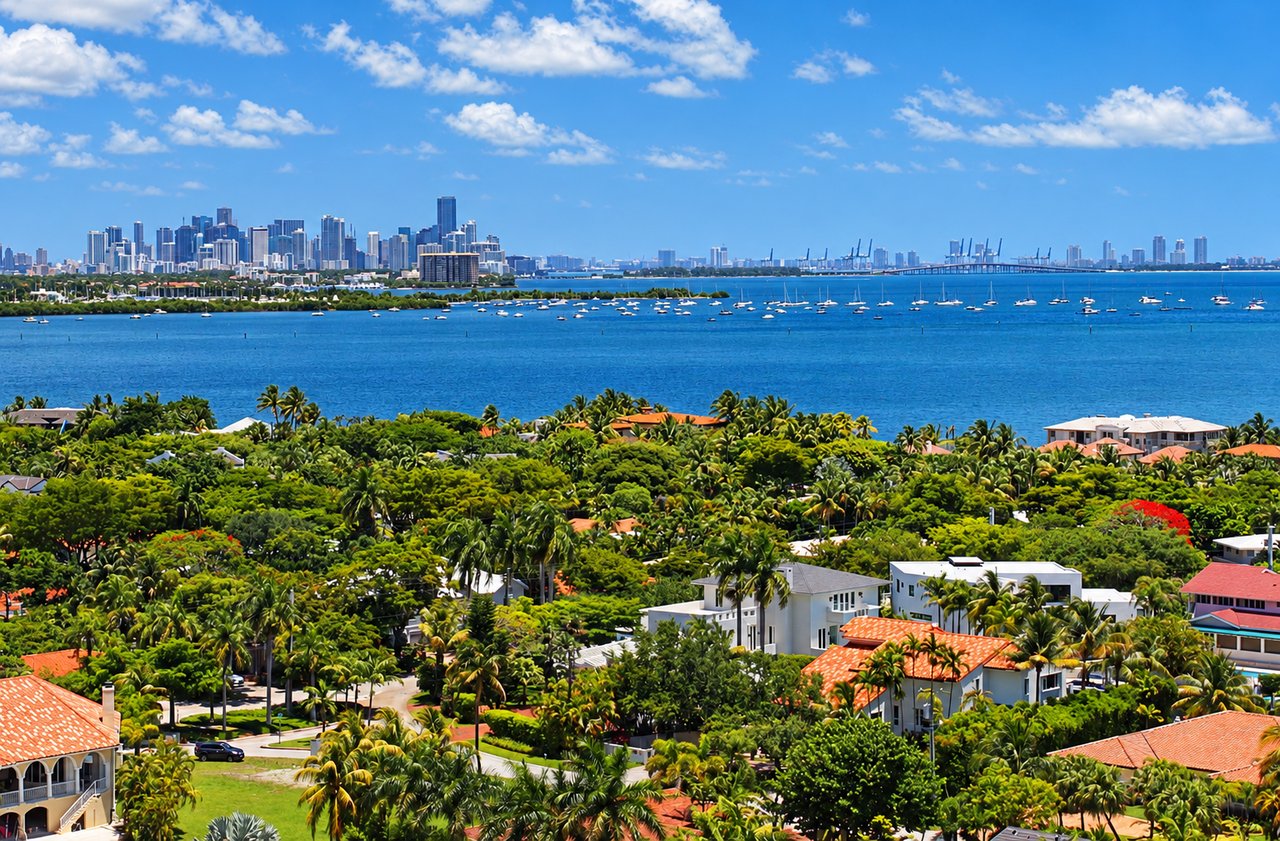
Coconut Grove feels more like a coastal village. It offers a unique balance of boho chic, laid-back charm, and upscale living from casual cafés to Michelin restaurants, to luxury retailers and boutiques, marinas, state parks, and outdoor dining and entertainment venues perfectly situated along Biscayne Bay. Downtown Coconut Grove and CocoWalk serve as the neighborhood’s social heart, blending dining, shopping, and gathering spaces into a walkable, lively core.
The lifestyle is anchored by Dinner Key Marina and a sailing culture that has shaped the Grove for generations, but it’s equally defined by its creative soul. The Coconut Grove Arts Festival, one of the most prestigious art events in the country, reflects the neighborhood’s long-standing connection to artists and cultural tastemakers. What sets Coconut Grove apart is how seamlessly nature and culture coexist. Vizcaya Museum & Gardens sits just minutes away, while winding brick paths and banyan-lined streets preserve a sense of retreat. Brickell remains close enough for convenience, yet far enough to maintain calm. This harmony, privacy paired with vibrancy, luxury expressed with ease, continues to draw affluent buyers who value a lifestyle that feels both intentional and unforced.
Schools, Parks, and Family Appeal
Education and community play a defining role in long-term lifestyle value, especially for families choosing where to live. Both Coconut Grove and Coral Gables offer environments where academic excellence, outdoor living, and a strong sense of belonging are built into everyday living. Yet each neighborhood expresses those qualities through a slightly different lens.
Coral Gables
Coral Gables offers a beautifully balanced environment where tradition, family life, and everyday enjoyment coexist with ease. Proximity to the University of Miami lends academic prestige, while schools such as Riviera Schools, St. Theresa Catholic School, and Coral Gables Preparatory Academy play an integral role in the rhythm of daily life. The city’s thoughtful layout with tree-lined streets, sidewalks, and bike-friendly routes encourages an active, connected lifestyle without ever feeling overly formal.
Parks and green spaces are a defining part of life here. Matheson Hammock Park, with its historic atoll pool and bayfront setting, remains a favorite for weekends and sunset walks. Fairchild Tropical Botanic Garden offers a blend of beauty, education, and family programming, while the Venetian Pool continues to be one of Miami’s most iconic and beloved destinations. At a more neighborhood level, Salvadore Park is a true community hub. With its well-designed playground, shaded green areas, sports facilities, and constant activity, it’s a gathering place for families throughout the week. It reflects the relaxed, family-forward side of Coral Gables that longtime residents know well.
Cultural institutions such as Actors’ Playhouse at the Miracle Theatre, the Coral Gables Youth Center, and signature events like Carnival on the Mile further enrich the community, creating a lifestyle that feels cultivated and genuinely lived in. The Gables is both polished and welcoming.
Coconut Grove
Coconut Grove offers a uniquely connected, village-style environment. The area is home to some of Miami’s most respected private schools, including Ransom Everglades, Carrollton School of the Sacred Heart, and St. Stephen’s Episcopal Day School, along with strong public options like Coconut Grove Elementary. These schools are deeply embedded in the neighborhood, allowing many families to live, learn, and socialize within the same walkable radius.
Outdoor living is central to Grove life. Families spend afternoons at Kennedy Park, Peacock Park, and David T. Kennedy Park, while The Barnacle Historic State Park offers a rare blend of waterfront green space and preserved history. Buyers also love activities like sailing and boating at the Coconut Grove Sailing Club and Dinner Key Marina, events like the Coconut Grove Arts Festival, Pumpkin Patch at Regatta Park, and outdoor movie nights in the village.
It’s also the small, unmistakably local rituals that define the Grove’s sense of belonging. For generations, A.C.'s Icees, an iconic white truck with a yellow awning parked near Kennedy Park, has been a beloved gathering point for runners and longtime residents alike. What began as a simple lemonade stand in the late 1970s has become a Grove landmark, drawing people from across Miami for its fresh, hand-made icees. It’s these everyday traditions, layered into an otherwise refined lifestyle, that give Coconut Grove its warmth and unmistakable charm.
Property Types, Lot Sizes, and Privacy
Homes in both neighborhoods deliver luxury, but the way space and privacy are expressed differ quite clearly. This is where architecture meets lifestyle and where the contrasts between The Grove and The Gables can truly be seen.
Coral Gables
In Coral Gables, scale and privacy are part of the architectural DNA. The city is known for its wide boulevards, manicured landscaping, and gated enclaves that offer expansive homes with a sense of timeless grandeur. Estate properties along Old Cutler Road and exclusive communities like Gables Estates and Cocoplum deliver impressive lot sizes and an atmosphere of refined exclusivity.
A residence like 1217 Algardi Ave captures the refined elegance Coral Gables is known for. Recently renovated and expanded, the home blends timeless character with modern sophistication through an open, light-filled layout, a professional-grade kitchen, and expansive Nana glass walls that connect indoor and outdoor living. The primary suite offers a serene retreat with a spa-inspired bath, while the home’s proximity to cultural landmarks, fine dining, and luxury shopping underscores its elevated setting. It’s a clear reflection of Coral Gables living at its most polished and enduring.
Beyond estates, Coral Gables also offers refined condo and townhome options, ideal for those wanting lock-and-leave convenience while remaining close to the city’s cultural and business heart. Boutique buildings near Miracle Mile and the Biltmore, along with newer luxury developments along Ponce de Leon Boulevard and in the Crafts section, appeal to professionals and second-home owners who value walkability and architectural continuity. These residences provide a more streamlined lifestyle while keeping residents closely connected to the cultural and business core of the city.
Coconut Grove
On the other hand, in Coconut Grove, nature is the architect. Homes are nestled along intimate, winding streets, often concealed behind lush vegetation, making it feel like an escape, even minutes from Brickell. Here, glass walls open to tropical courtyards, and interiors are framed by palms and banyan canopies.
Many properties feel like private sanctuaries, where the line between indoors and outdoors is intentionally blurred. Privacy is created not by imposing gates but by greenery itself, wrapping each residence in a feeling of calm seclusion that is uniquely, unmistakably The Grove.
Coconut Grove also presents highly desirable condominium living, particularly near Biscayne Bay and the heart of Downtown Coconut Grove. Full-service waterfront and village-adjacent buildings offer marina access, bay and skyline views, and true walkability to CocoWalk, local cafés, boutique shopping, parks, and cultural landmarks. New construction continues to rise here, making land one of the most competitive investments in the area.
Long-Term Value of Real Estate in Coconut Grove Vs Coral Gables
From a long-term perspective, both neighborhoods offer something rare: irreplaceable locations with deep-rooted demand.
Coral Gables maintains remarkable appreciation stability thanks to its strict architectural guidelines, land-use controls, and strong historical identity. Its historic districts and zoning protections preserve both character and value, giving buyers a clear sense of what to expect, predictability that supports long-term, generational planning.
Coconut Grove continues to see sustained, global demand, driven by its village-by-the-bay lifestyle, vibrant boating culture, and irreplaceable proximity to Downtown, Brickell, and the water. As Miami grows denser and more vertical, the Grove’s intimate, bayfront character has only become more desirable.
Accessibility and Everyday Convenience
For relocating buyers, what often tips the scale is the everyday: commute, errands, school runs, and how easy it is to move around the city.
Coral Gables
Coral Gables is prized for its strategic centrality and predictability. The neighborhood offers efficient access to Miami International Airport, often under 15 minutes from several parts of Coral Gables, making it attractive to frequent travelers and executives. Key routes such as Le Jeune Road, US-1, and Coral Way connect residents quickly to Brickell, Downtown, and the broader South Florida highway network without sacrificing a residential feel.
Daily living feels effortless here, with Miracle Mile, Merrick Park, top-tier medical offices, and respected private schools thoughtfully integrated into the city’s design. The city offers an ease that feels intentional. Wide streets and walkable commercial centers make it especially appealing to professionals balancing business, travel, and family life, efficiency delivered with elegance.
Coconut Grove
Coconut Grove moves at a different pace, but it’s no less connected. With direct routes into Brickell, Downtown, and Key Biscayne, it offers close proximity to Miami’s urban core while maintaining a distinctly residential atmosphere. South Bayshore Drive and Main Highway serve as natural connectors, and convenient access to I-95 makes travel to Miami Beach, Miami International Airport, and beyond remarkably efficient. Many residents find they can move between home, marina, schools, and dining without ever needing to rely heavily on highways.
What sets The Grove apart is how walkability and accessibility intersect. Village shops, cafés, parks, marinas, and schools are often within minutes of one another, creating a lifestyle where cars are used less and daily life feels more fluid. For buyers who value spontaneity, waterfront access, and a neighborhood that unfolds naturally rather than by design, Coconut Grove offers a sense of ease that’s hard to replicate.
Which is better, Coconut Grove or Coral Gables?
The honest answer: neither is objectively better, only better aligned with the life you want to lead.
“Coral Gables and Coconut Grove each offer their own signature way of living. The Gables brings timeless architecture and a sense of tradition, while the Grove offers a natural, coastal rhythm that feels both vibrant and effortless. Choosing between the two is never about better or worse; it’s about the lifestyle that speaks to you.” — Mauricio Barba, Miami Signature Homes
And that’s where experience matters most. Mauricio approaches every search by listening first, understanding daily rhythms, family needs, privacy preferences, and the way someone wants to live. He helps in finding the right fit, with confidence and clarity behind every decision.
Buyer Considerations: How to Decide Between the Two
For many buyers evaluating Coconut Grove vs Coral Gables, the right choice becomes clearer when priorities are defined. The questions below often guide that decision-making process:
Do you gravitate toward a more structured, architecturally consistent setting like Coral Gables, or a more organic, nature-driven environment like Coconut Grove?
Are you drawn to historic estates and established architectural legacy, more commonly found in Coral Gables, or modern design, new construction, and greater flexibility for customization, which Coconut Grove increasingly offers?
How central are top-tier schools, commute efficiency, and proximity to business hubs, versus marine access, walkability, and a lifestyle centered around the bay?
Is the priority turnkey certainty within a highly regulated environment, or the opportunity to create something more personalized within a less prescriptive setting?
Does long-term value feel more aligned with heritage, preservation, and predictability, or with innovation, lifestyle evolution, and limited waterfront land?
When these factors are weighed thoughtfully, one neighborhood usually reveals itself, the one whose rhythm and lifestyle feel like the right match for the future buyers are building.
Top Luxury Real Estate Agent in Miami
Both Coral Gables and Coconut Grove offer extraordinary ways of living, each distinct, each exceptional. There is no wrong choice here; only the one that feels like home in a deeper, more personal way. Exploring these neighborhoods with a trusted professional ensures the decision is driven by clarity and a full understanding of what each lifestyle can offer. For buyers ready to begin that process, guidance and access make all the difference.
Mauricio Barba is renowned as a top luxury real estate agent in Miami, trusted by clients who value privacy, precision, and access to opportunities that often never hit the public market.
From confidential new-construction options in Coconut Grove to historic estates in Coral Gables, every introduction is curated with discretion and strategy. Mauricio and his team support clients 24/7 with white-glove service, designed to protect both value and experience.
Private consultations by invitation only. To explore Coconut Grove or Coral Gables, contact Mauricio at 305-439-8311.