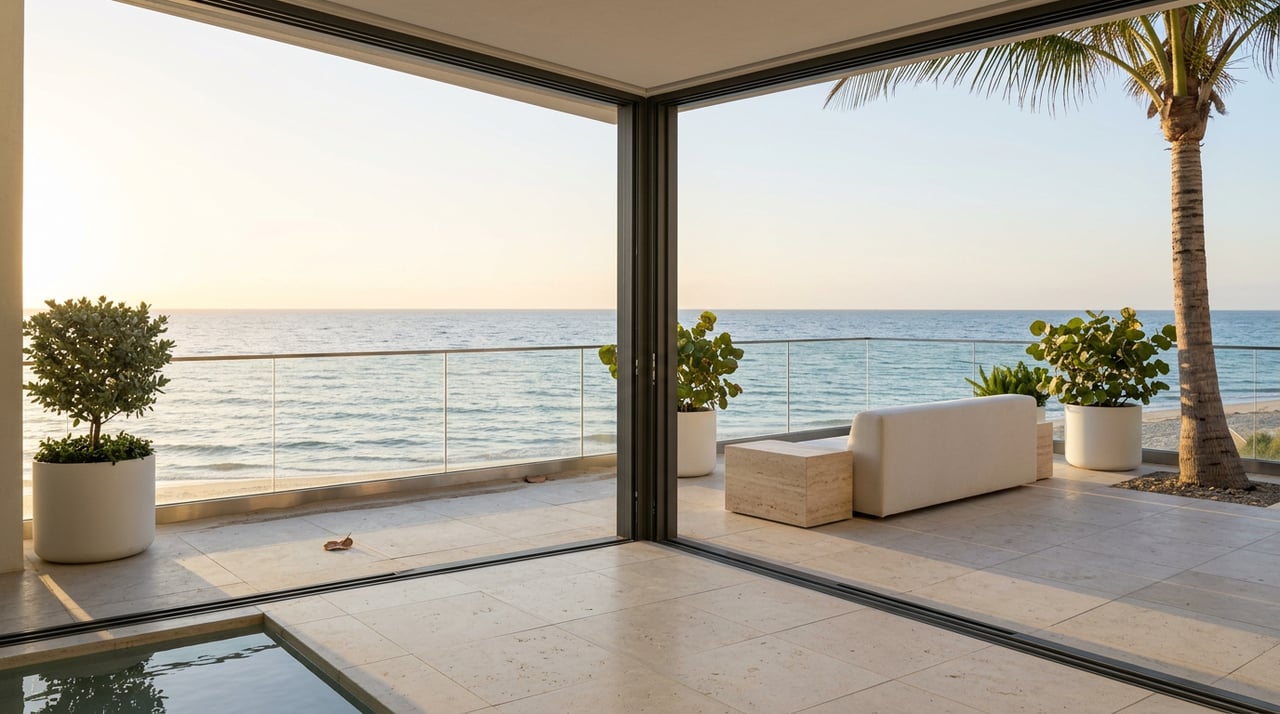
You step out to the sound of waves and a soft Atlantic breeze, and your day already feels different. If you are weighing an oceanfront move to Miami Beach, you probably want more than pretty photos. You want to know the daily rhythm, the access, the seasons, and the real costs that shape life on the sand. This guide gives you a vivid, practical look at what it actually feels like to live oceanfront in Miami Beach, plus the key details that help you buy with confidence. Let’s dive in.
Morning on the Atlantic
Sunrise arrives fast here. You can watch the horizon glow pink while joggers and cyclists ease by on the Beachwalk, the city’s continuous, ADA-accessible oceanfront promenade. It runs along the island’s shoreline with 24-hour access, connecting South Pointe to the northern edge of Miami Beach near Surfside. If you like to start your day outside, the Beachwalk’s official city description tells you everything you need to know about route, surface, and access points.
By the time the light turns bright, cafés along Collins Avenue and nearby streets are humming. You can be on the sand in minutes, barefoot with a coffee, and still home in time to start your day.
Midday on the sand
Beach life is easy to reach and easy to read. Miami Beach Ocean Rescue staff towers along the shore and use a flag system to show surf and jellyfish conditions. You can check current beach conditions before you head out, including posted lifeguard hours and advisories. Many buildings offer beach chairs and umbrellas, and there are public rental points in active areas.
Sargassum seaweed can arrive seasonally. The city addresses it with regular cleanup, especially in busier stretches. Families tend to spread out midday, with South Beach feeling most active and Mid- and North Beach usually calmer.
Evenings by the water
At day’s end you get a different show. The sun sets over Biscayne Bay, so west-facing balconies and bayfront paths glow gold while oceanfront terraces cool off for dinner outdoors. In South Beach, patios fill up and nightlife ramps. If you prefer a quieter evening, Mid- and North Beach deliver a more relaxed feel while keeping you steps from the water.
Easy access to sand and parks
One of the biggest perks of living oceanfront is how little planning you need to enjoy the shore. Many buildings have direct paths to the beach, and public access points are frequent. The continuous Beachwalk means you can stroll, push a stroller, or bike for miles without getting in a car.
The shoreline shifts in personality as parks and streetscapes change. South Pointe Park frames the southern tip. The Lummus Park and Ocean Drive corridor in South Beach brings culture and architecture, anchored by the Art Deco Historic District. North Shore Open Space offers broader lawns and a slower pace. Each stretch gives you a different way to use the ocean.
Homes and amenities
Boutique buildings to towers
You will see it all here. Low and mid-rise boutique buildings, some with classic Art Deco character, sit beside modern luxury towers with panoramic glass and private services. South of Fifth and parts of Mid- and North Beach host full-service properties, while older buildings can be simpler, with fewer amenities.
What full-service living includes
In a top-tier oceanfront tower, you may find:
- Private or resident-only beach club with chair and cabana service
- Multiple resort-style pools and hot tubs
- Large fitness and spa facilities
- On-site restaurant, café, valet, and package rooms
- 24-hour concierge and security
- Tennis or pickleball courts in select properties
These amenities shape your lifestyle and your monthly HOA fees. In boutique or older buildings, you may trade some services for a more intimate scale or lower dues. The right fit depends on how you plan to use your home.
Seasons, weather, and rhythm
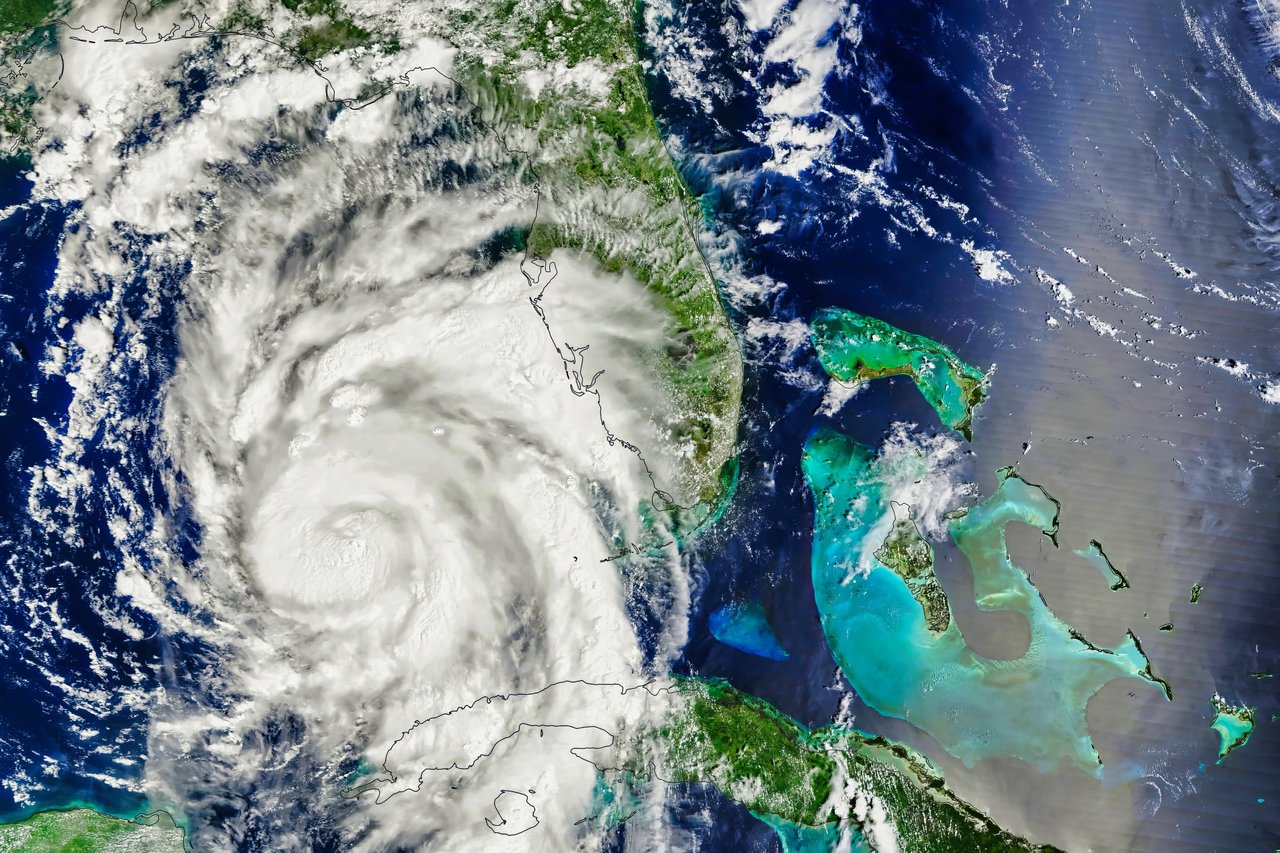
Miami Beach has two very distinct halves of the year. Winter, roughly December through April, is dry, bright, and busy with visitors and events. Summer brings warmth, humidity, and dependable afternoon thunderstorms. The official Atlantic hurricane season runs June 1 through November 30, as outlined by the National Hurricane Center. Most residents keep simple checklists for supplies and pay attention to building plans at the start of summer.
You will also notice natural cycles on the shore. Sargassum tends to be seasonal and the city clears it, most actively in the busier zones. King tide events can cause sunny-day flooding in low spots, and the region invests in pumps, road-raising, and park-based water projects as part of the Resilient305 strategy. These factors rarely stop daily life, but they shape how the city plans and how you plan.
Costs, rules, and realities to plan for
Price spectrum at the shore
“Oceanfront” covers a wide range, from compact studios to large multi-bedroom residences and penthouses. On any given block, price can shift dramatically by building, line, view, and recent renovations. Treat listing prices through the lens of the specific building’s history, services, and financials.
HOAs and special assessments
Association fees vary widely by building age and amenity level. Since the Surfside tragedy and subsequent law changes, many associations have increased reserves and funding for structural work. Local reporting has cited sharp rises in condo fees in parts of South Florida in recent years. It is smart to review current budgets, reserves, and any planned capital projects. For context on fee pressures, see this WLRN overview on condo fees and reserves.
Inspections and building safety
Florida’s milestone inspection requirements apply to many condominium buildings with three or more habitable stories, often at or around 30 years of age, with some local variations near the coast. As a buyer, you should expect to see milestone or structural reports, reserve studies, and occasionally special assessments. The Florida Statutes, Chapter 553 lay out the framework that drives these inspections and timelines.
Flooding, insurance, and resilience
Oceanfront addresses sit in areas of flood risk, so lenders frequently require flood insurance. Premiums can vary by elevation, building construction, and mitigation features. The region’s Resilient305 initiative highlights long-term adaptations like pumps and roadway projects. Ask your insurance agent and association for the most recent renewals and premiums before you write an offer.
Short-term rental rules
Short-term rental potential depends on both city zoning and your building’s rules. Many zones prohibit stays under the city’s minimum, and permitted rentals must be registered. Before you count on rental income, verify details through the city’s Practice Safe Renting lookup and request a copy of your association’s rental policy.
Regular monthly costs
Beyond your mortgage, plan for:
- HOA dues and possible assessments
- Windstorm and flood insurance
- Utilities and HVAC service
- Valet or parking fees
- Property management if you will be away part-time
- Registration and resort-tax compliance if short-term rental is allowed
South Beach to North Beach: how it feels
South Beach and SoFi
This is the city’s most energetic zone, anchored by Ocean Drive, Lincoln Road, and the Art Deco Historic District. You get cultural attractions, a vivid street scene, and easy beach access in one compact area. Expect the most visitors here, especially during winter and event weekends.
Mid-Beach
Mid-Beach mixes luxury towers, classic resort sites, and well-known hospitality names. The vibe is a step quieter than South Beach while staying very amenity rich. If you want oceanfront with a little more breathing room, this stretch can be a sweet spot.
North Beach
North Beach feels more residential along the shore and is seeing new luxury projects join older buildings. The pace is calmer and day-to-day errands can feel simpler. The Beachwalk and broad sand keep the ocean central without the same nightlife footprint.
Day-in-the-life snapshots
- The early retiree: You walk the Beachwalk at sunrise, swim mid-morning, and head to a museum or a quiet lunch. Evenings are for bayfront sunsets and a good book on the terrace.
- The part-time owner: You lean on concierge and valet, arrive to a stocked fridge, and keep a property manager on call. If your building allows short stays, you register properly and keep compliance tight.
- The family: You want direct beach paths, poolside afternoons, and secure on-site staff. You check grocery and activity routes and pick a stretch that matches your weekend rhythm.
Smart steps before you buy
Before you write an offer, ask for:
- The last three years of HOA budgets and any special assessments
- Recent milestone, recertification, or structural reports
- A copy of the building’s rental rules and minimums
- A clear breakdown of what HOA fees include, such as beach service, utilities, and staffing
- The most recent insurance renewals and premiums for wind and flood coverage
Miami Beach oceanfront living is a daily invitation to step outside. With clear expectations about seasons, building realities, and costs, you can enjoy the sand and still sleep well at night. If you want help matching a building, a view, and a fee structure to your goals, connect with our principal-led team at The Miami Signature Homes to schedule a private consultation and complimentary home valuation.
FAQs
How busy do Miami Beach oceanfront areas get in peak season?
- South Beach is the busiest, especially December through April and on event weekends, while Mid- and North Beach are typically calmer.
When is hurricane season for Miami Beach oceanfront owners?
- The official Atlantic hurricane season runs June 1 through November 30, so plan annual storm prep and review your building’s emergency procedures each summer.
How can I check beach safety and conditions before heading out?
- The city’s Ocean Rescue updates daily lifeguard hours, flags, and advisories on its current conditions page.
Are HOA fees higher in full-service oceanfront buildings?
- Often yes. Amenity-rich towers with beach clubs, pools, and 24-hour staff typically carry higher monthly dues and may have assessments for structural work or reserves.
What should I know about short-term rentals in Miami Beach condos?
- Rules vary by zone and building. Many areas prohibit short stays and permitted rentals must be registered, so confirm legality with the city’s lookup and your HOA.
Is flood insurance usually required for oceanfront condos?
- Lenders frequently require flood coverage in higher-risk zones. Premiums depend on elevation, construction, and mitigation features in your building.