If you are drawn to Key Biscayne, one of your biggest decisions is not whether island living is right for you. It is whether your version of island living looks better in a condo or a house. Both can offer access to the same beaches, parks, and coastal lifestyle, but they come with very different price points, responsibilities, and day-to-day experiences. If you are weighing the tradeoffs, this guide will help you compare both options with more clarity. Let’s dive in.
Key Biscayne Starts With Two Different Paths
Key Biscayne is a small barrier island community with a housing mix that leans heavily toward condominiums. The Village of Key Biscayne describes the island as 1.25 square miles with about 5,000 condominium units and 1,400 single-family homes or duplexes.
That matters because your search experience is shaped by the island’s structure as much as by your budget. In simple terms, condos are the more common path here, while houses are the more limited and higher-priced option.
Price Differences Matter Early
If you are deciding between a condo and a house on Key Biscayne, budget usually narrows the conversation quickly. Q1 2026 Miami Realtors MLS data showed a median sale price of $1.197 million for condos and $4.16 million for single-family homes.
Average sale prices were even farther apart. Condos averaged $1.648 million, while single-family homes averaged $6.257 million.
That gap does not automatically make one option better than the other. It simply means you are often comparing two very different ownership experiences at two very different price levels.
Inventory Looks Different Too
Choice and timing can also vary by property type. In Q1 2026, Key Biscayne condos had 104 active listings and 7.5 months of supply, while single-family homes had 45 active listings and 13.8 months of supply.
For you as a buyer, that can mean condos may offer more options to compare, while houses may require more patience and a sharper sense of priorities. It can also affect how flexible sellers may be, depending on the specific property and timing.
Why A Condo Works Well On Key Biscayne
Condo Living Fits A Lock-And-Leave Lifestyle
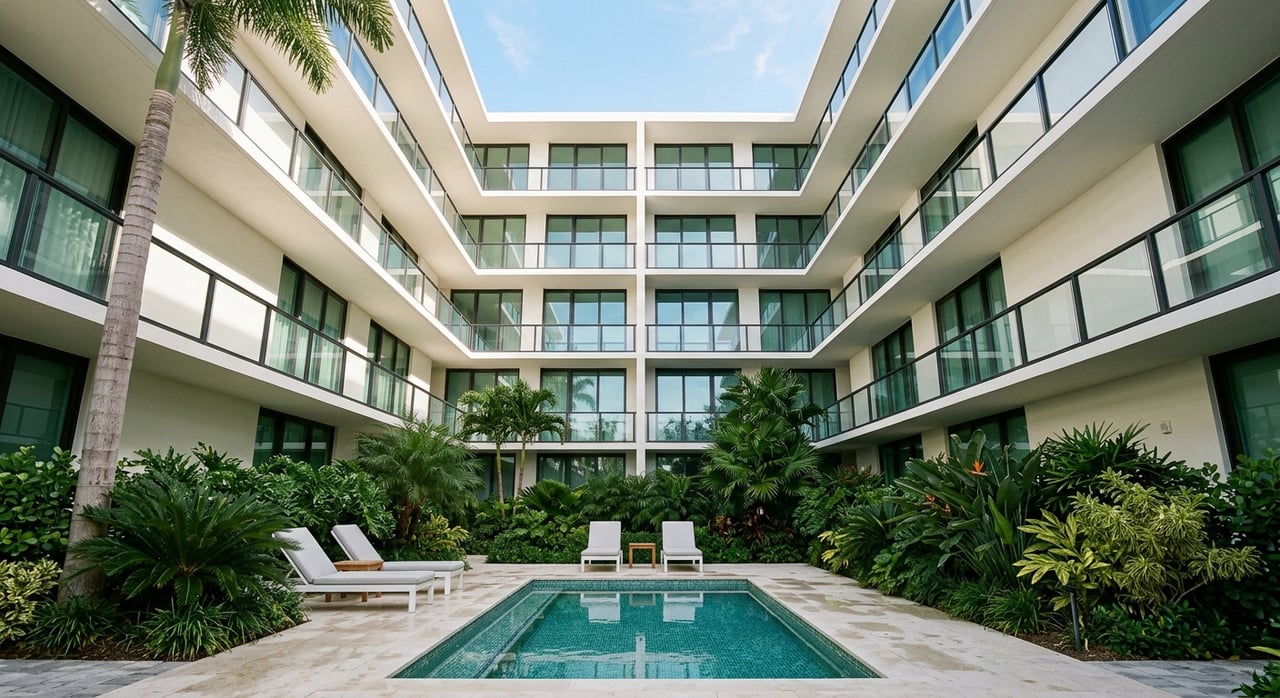
A condo can be a strong fit if you want a more hands-off ownership experience. Condo fees often cover exterior and common-area maintenance and may include services such as water, sewer, trash, and recreational amenities.
Florida law also places maintenance of common elements on the condo association, except where limited common elements are assigned to the unit owner in the governing documents. In practical terms, that often means fewer exterior chores and fewer owner-managed maintenance tasks.
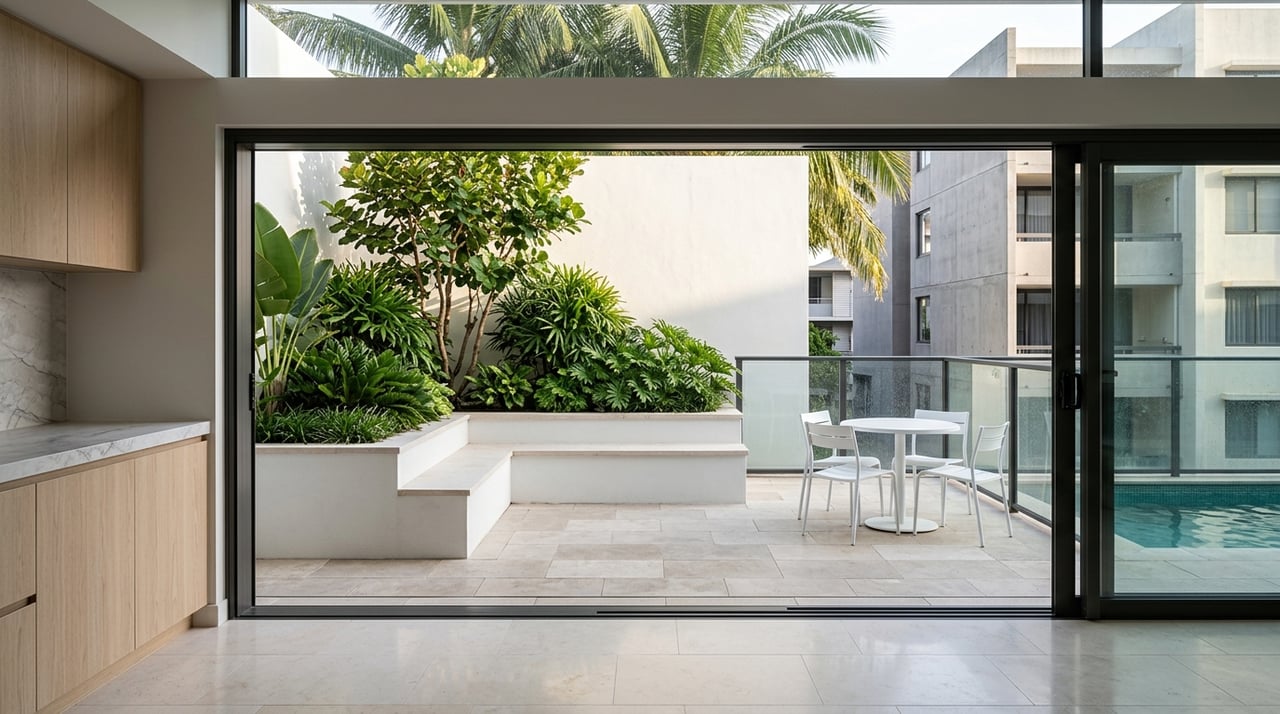
If you travel often, split your time between cities, or simply want less day-to-day upkeep, that convenience can be a major advantage. Many buyers see that as one of the clearest reasons to choose a condo on the island.
Condos Can Pair Well With The Island Lifestyle
On Key Biscayne, condo living does not mean relying only on building amenities for your lifestyle. The village highlights a broad network of outdoor spaces, including Beach Park, Village Green, Calusa Park, Bill Baggs Cape Florida State Park, Crandon Park, and other neighborhood green spaces.
That local setting changes the condo equation in a helpful way. Even if your building amenities are modest, you still have strong access to outdoor recreation and waterfront living beyond your front door.
Condo Fees Deserve Close Review
When you compare condo options, the monthly fee is not just a line item. It is part of your true housing cost and should be understood alongside taxes, insurance, and financing.
A smart review should include:
- What the condo fee covers
- Whether parking is included or assigned
- Whether the master insurance policy covers only common elements or more than that
- Whether the building is renter-friendly if flexibility matters to you
- How much the association holds in reserves for future repairs
These details can shape both your monthly budget and your long-term comfort level with the building.
Condo Due Diligence Is About The Building Too
When you buy a condo, you are not just buying an individual unit. You are also buying into the building’s finances, governance, and maintenance planning.
Lenders may evaluate the community’s physical condition, financial stability, outstanding structural debt, pending lawsuits, evacuation orders, and whether required inspections have been completed. That makes condo due diligence broader than many buyers expect.
Florida Rules Make Reserve Planning Important
Florida condo associations now operate under more formal reserve and safety requirements. The Florida Department of Business and Professional Regulation says that residential condo associations with buildings three or more habitable stories must complete a Structural Integrity Reserve Study at least every 10 years.
That study covers major building components such as the roof, structural systems, fireproofing, plumbing, electrical systems, waterproofing and exterior painting, and windows and exterior doors. For you, that means reserve planning and building condition are not side issues. They are central to the purchase decision.
If a building is required to complete a milestone inspection by December 31, 2026, the association may complete the reserve study at the same time. After the study is completed, the association must notify owners and electronically submit the reporting form within 45 days.
Why A House Appeals To Many Buyers
Houses Offer More Privacy And Control
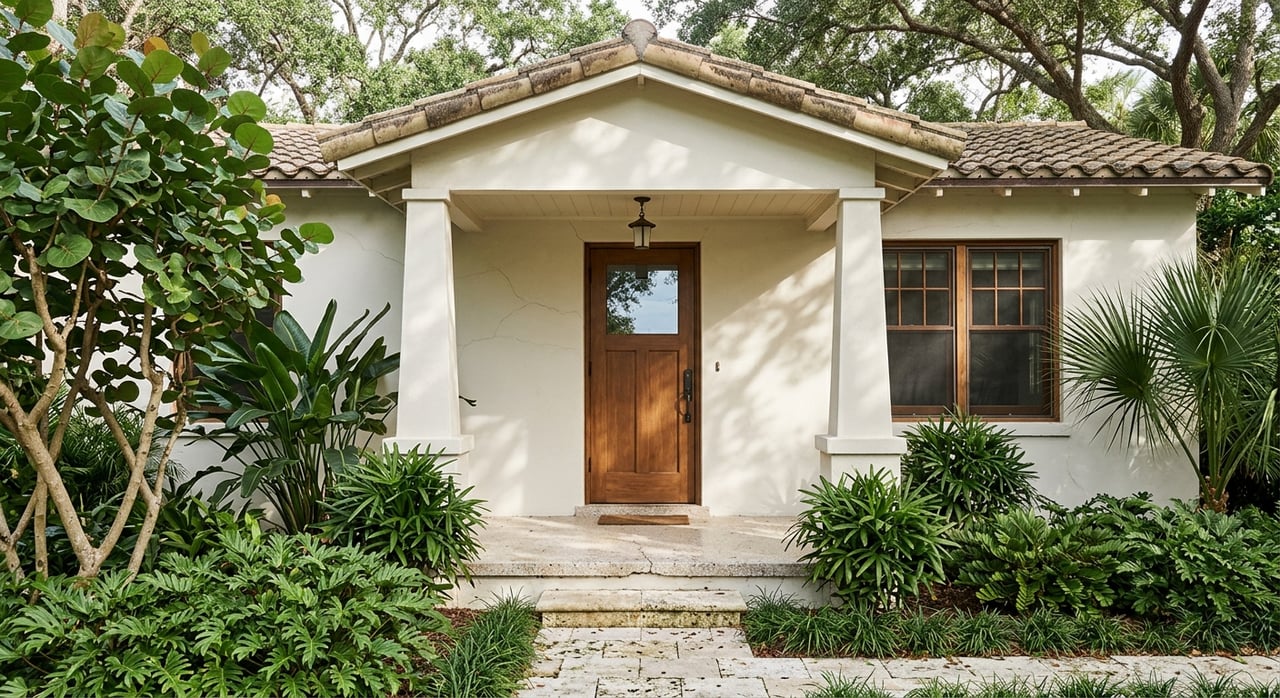
A single-family home typically gives you more independence over how you use and maintain your property. Unlike condo ownership, where exterior property and common areas are jointly owned and rules are set by the condo board, a detached home generally gives you more freedom over outdoor living space and exterior personalization, subject to local rules and any applicable governing documents.
That can matter if you want more room for landscaping, outdoor entertaining, pets, or long-term customization. For many buyers, this is the heart of the house-versus-condo decision.
Houses Shift More Responsibility To You
The tradeoff is straightforward. Once you own a house, you are generally responsible for repairs, maintenance, and improvements.
That includes tasks such as:
- Yard and exterior upkeep
- Roof checks
- Gutters and downspouts
- Pest monitoring
- Water intrusion checks
- Ongoing repair planning
You should also expect continuing ownership costs like property taxes, insurance, and routine maintenance. If you value control, this may feel worthwhile. If you want less operational responsibility, it may feel like too much.
Houses Can Still Feel Amenity-Rich
Some buyers assume that choosing a house means giving up the amenity side of island life. On Key Biscayne, that is not necessarily true.
The island’s public and village park system adds a lot to daily life, including oceanfront beach access, open green space, and major park destinations. In other words, a house can still deliver a very full island lifestyle without depending on a condominium tower’s services.
Key Cost Questions Beyond The Purchase Price
Monthly Costs Need A Full Review
A lower purchase price does not always mean lower ownership cost, and a higher purchase price does not tell the whole story either. Condo fees, HOA fees, insurance, taxes, and maintenance all need to be part of the comparison.
Condo and HOA fees may be monthly, quarterly, or annual, and they can rise over time. Boards may also levy special assessments for major one-time expenses or to supplement reserves.
With a house, you avoid condo fees, but you take on more direct maintenance expenses yourself. The better value depends on whether you would rather pay for services through an association or manage the property more independently.
Insurance Matters On An Island
Insurance deserves special attention on Key Biscayne. Standard homeowners insurance does not typically cover flood damage, and homes in Special Flood Hazard Areas with federally backed loans require flood insurance.
Flood risk is still worth evaluating even outside those zones. Because Key Biscayne is an island community with the Rickenbacker Causeway as its only land ingress and egress, flood and hurricane planning should be part of your housing decision from the start.
For condo buyers, it is also important to understand what the building’s master insurance policy covers and what you may need to insure separately inside your unit. That question can affect your real ownership cost more than many buyers expect.
A Simple Way To Choose
If you are still unsure, it helps to focus on how you want to live, not just what you want to buy. On Key Biscayne, the condo-versus-house decision often comes down to maintenance, governance, flexibility, and budget.
A condo may be the better fit if you want:
- Lower-touch upkeep
- Building services and shared amenities
- A stronger lock-and-leave setup
- More entry points into the Key Biscayne market
A house may be the better fit if you want:
- More privacy
- More control over outdoor space
- Greater freedom over upgrades and use
- A more self-directed ownership experience
Neither choice is universally better. You are really choosing between two versions of island living: one that is more service-oriented and communal, and one that is more private and owner-directed.
The Right Answer Depends On Your Priorities
The best Key Biscayne home for you is the one that matches how you want to spend your time, manage your property, and plan your costs over the long run. A condo can simplify ownership and support a flexible lifestyle, while a house can offer more privacy, control, and room to personalize.
At Miami Signature Homes, we believe the right decision starts with clear guidance, careful comparison, and a real understanding of how each option fits your goals. If you are exploring Key Biscayne and want thoughtful, senior-level advice, connect with The Miami Signature Homes for a private consultation.
FAQs
What is the main difference between buying a condo or house on Key Biscayne?
- The main difference is usually the balance between convenience and control. A condo often offers lower-maintenance living with association-managed services, while a house offers more privacy and independence but requires more owner-managed upkeep.
Are condos more common than houses on Key Biscayne?
- Yes. The Village of Key Biscayne reports about 5,000 condominium units and about 1,400 single-family homes or duplexes, so the island is much more condo-heavy.
Are houses much more expensive than condos on Key Biscayne?
- Based on Q1 2026 Miami Realtors MLS data, yes. The median sale price was $1.197 million for condos and $4.16 million for single-family homes.
What should condo buyers review before buying on Key Biscayne?
- Condo buyers should closely review the condo fee, reserve levels, parking details, insurance coverage, renter policies, building condition, and whether required inspections and reserve studies have been completed.
Why is insurance such an important issue for Key Biscayne homes?
- Key Biscayne is an island reached by a single land corridor, so flood and hurricane planning are important parts of ownership. Standard homeowners insurance does not typically cover flood damage, so buyers should review flood exposure and insurance needs carefully.
Is a condo or house better for a second home on Key Biscayne?
- A condo is often a strong fit for second-home buyers who want a lock-and-leave lifestyle and less exterior maintenance. A house may be a better fit if you want more privacy, more control, and are comfortable managing upkeep more directly.