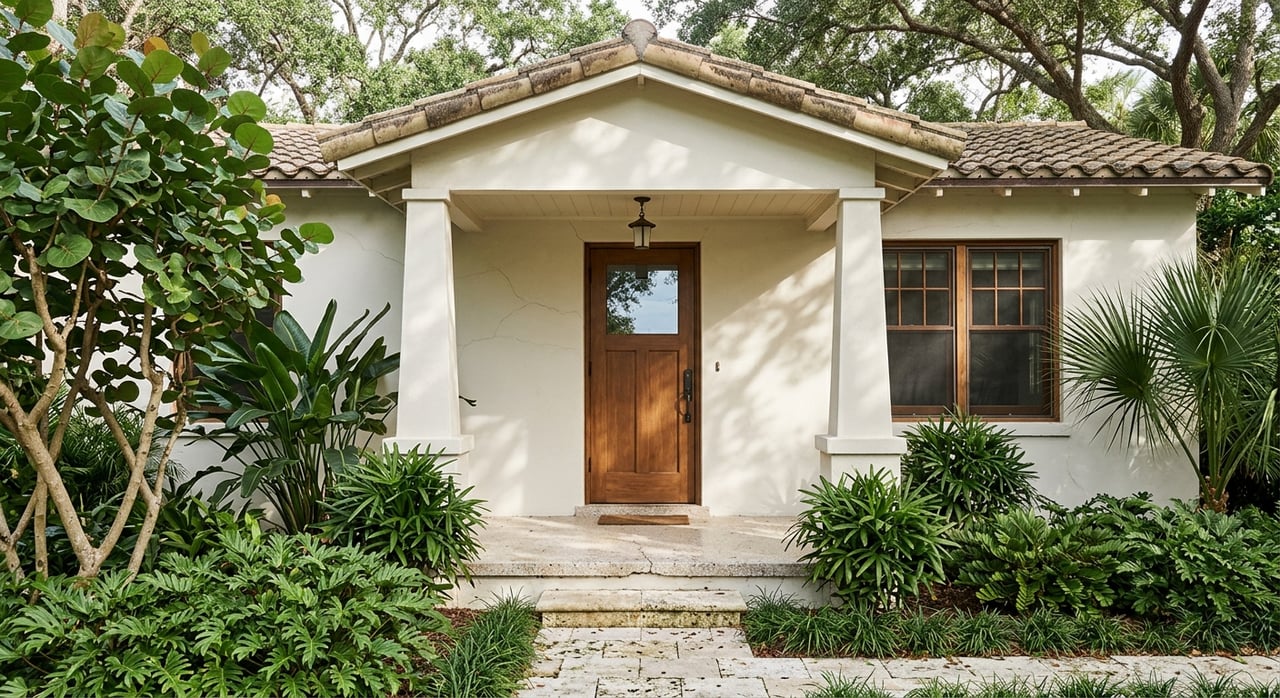
If you are drawn to homes with front porches, compact layouts, and real architectural personality, South Miami’s older houses can feel especially appealing. You may be wondering what actually makes a home a bungalow or cottage here, and how those homes compare with later mid-century options. This guide will help you understand the look, history, and renovation considerations behind South Miami’s classic character homes so you can evaluate them with more confidence. Let’s dive in.
Why South Miami suits character homes
South Miami has the right historical backdrop for a bungalow-and-cottage conversation. The city traces its roots to the Larkins settlement, expanded with the railroad and the 1920s boom, and officially became a city in 1927. That timeline overlaps closely with the years when bungalows were especially popular, which helps explain why older homes here often carry that era’s scale and charm.
The city also presents the SoMi District as a tree-lined, walkable downtown. That matters because buyers often connect older single-family homes with a more intimate, neighborhood-scale setting. In South Miami, that sense of place supports the appeal of porch-forward houses on established streets.
What defines a bungalow
In South Florida, bungalows are usually one story or one-and-one-half stories tall. They often feature broad gable roofs, wide eaves, deep porches, large sash windows, and tapered porch supports. Some Miami-area examples also include oolitic limestone chimneys.
A common local pattern is a roof ridge that runs perpendicular to the street, with the front porch offset to one side. Inside, the floor plan is usually compact and practical. You may see a short hall connecting bedrooms and a bath, with living and dining areas that feel more open than in earlier house types.
Exterior features to notice
When you are touring an older South Miami home, a few details can help you spot bungalow character quickly:
- One or one-and-one-half stories
- Broad front-facing or side-gabled roof forms
- Wide eaves with noticeable overhangs
- Deep, usable front porches
- Tapered porch supports
- Large sash windows
- A low, grounded look from the street
These elements work together to create the relaxed, approachable feel many buyers want from an older home. Even when a house has been updated over time, the original roof shape and porch proportions often still tell the story.
Interior layout basics
Bungalows usually feel efficient rather than oversized. Rooms tend to be compact, circulation is straightforward, and the main living spaces often connect more openly than you might expect in an early 20th-century house.
That can be part of their appeal today. You get architectural character without always feeling boxed into a heavily formal floor plan.
How cottages differ from bungalows
Cottages sit at the simpler and smaller end of the same general family of homes. They are often one story or one-and-one-half stories, with simple rooflines and wide front porches. Some include a central passage or breezeway, while others are just modest, straightforward houses with a small number of rooms.
In practical terms, “cottage” in South Miami often suggests a smaller, more understated home rather than a completely different design language. If a bungalow feels a bit broader and more expressive in its roof and porch details, a cottage may feel quieter and more pared down.
Cottage traits buyers often like
Many buyers are drawn to cottages for their ease and scale. Common reasons include:
- Smaller footprint that can feel manageable
- Simple, porch-forward curb appeal
- Less formal room arrangement
- Strong potential for thoughtful updates
- A cozy street presence that still feels classic
If you value character but do not need a large home, a cottage can offer a very appealing middle ground.
Why South Miami feels intimate
Part of South Miami’s charm comes from how houses sit on their lots. The city’s zoning code for one-story single-family districts shows a range of lot standards that help explain the scale of local streets.
RS-3 requires 10,000 square feet and 75 feet of frontage. RS-4 requires 6,000 square feet and 60 feet of frontage, and RS-5 requires 6,000 square feet and 50 feet of frontage. The code specifically notes that RS-4 is intended for smaller-lot single-family development and RS-5 for built-out subdivisions with 50-foot frontages.
Those dimensions help create a visual rhythm that fits bungalows and cottages well. You tend to see smaller footprints, visible front porches, and side yards that are present without feeling oversized. The result is a street scene that often feels comfortable, established, and human-scaled.
Where mid-century homes fit
Not every appealing older home in South Miami is a bungalow or cottage. Mid-century houses add another important option, especially if you want an older property with a more open and informal layout.
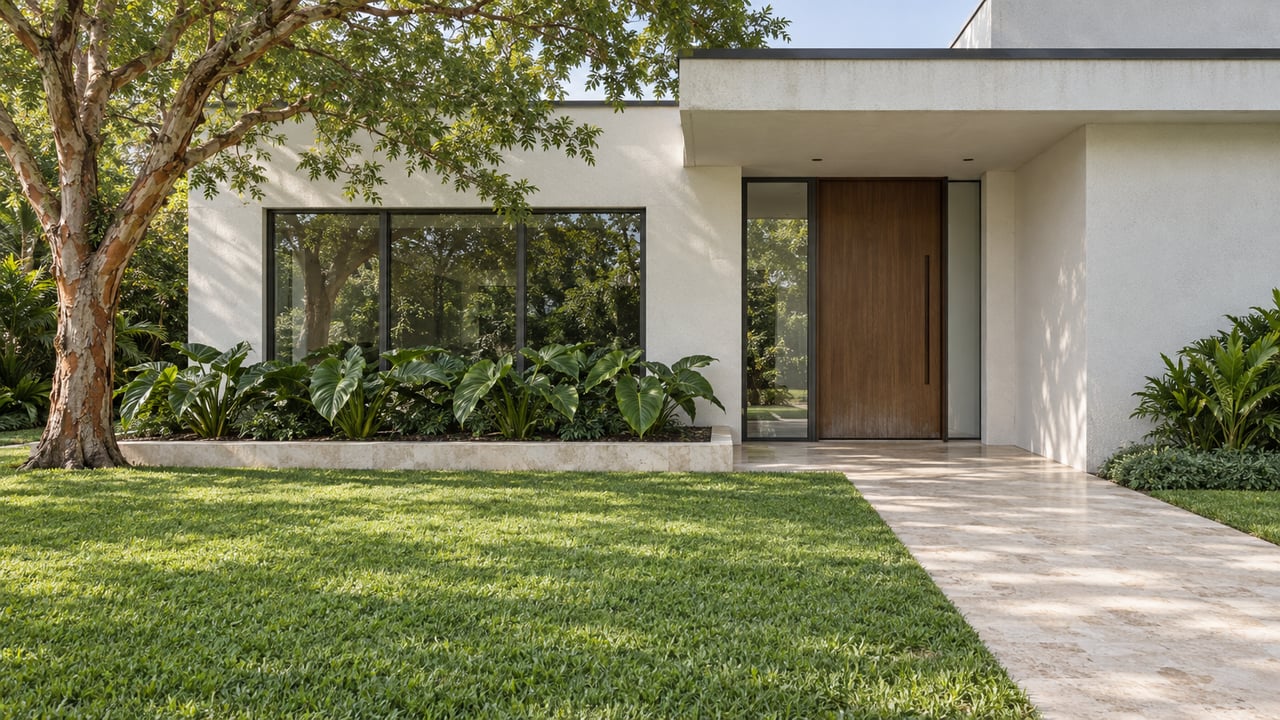
South Florida mid-century homes often emphasize integrated living and dining spaces, fewer formal rooms, large picture windows, sliding glass doors, built-ins, and a stronger indoor-outdoor connection. The overall look is typically simpler and lighter, with a focus on everyday livability.
Bungalow, cottage, or mid-century?
Here is a simple comparison to help you think through the differences:
| Home type | Typical feel | Common features |
|---|---|---|
| Bungalow | Character-rich and porch-forward | Broad gable roof, wide eaves, deep porch, compact layout |
| Cottage | Smaller and simpler | Modest scale, simple roofline, wide porch, fewer rooms |
| Mid-century | Open and informal | Open living areas, larger glass, built-ins, indoor-outdoor flow |
If you love curb appeal and period details, a bungalow or cottage may be the better fit. If you want an older home that already aligns more closely with modern living patterns, a mid-century property may deserve a closer look.
What to know before renovating
Renovation potential is one of the biggest draws of South Miami’s older homes. Still, character houses usually reward a thoughtful approach more than a blank-slate mindset.
In South Miami, the Building Division enforces the Florida Building Code within city limits. Permit applications require supporting documents such as drawings and proof of ownership. If a property falls under the HP-OV overlay or is otherwise designated historic, the Historic Preservation Board reviews the Certificate of Appropriateness application, and those requirements are added on top of the underlying zoning rules.
Character features worth preserving
If resale and long-term appeal matter to you, it usually makes sense to keep the features that define the home from the street. The most important ones often include:
- Front porch proportions
- Original roof shape
- Window rhythm and placement
- Overall massing of the home
Many successful updates focus on kitchens, baths, systems, and storage while keeping the original street-facing form recognizable. That balance can help you modernize daily function without losing the architectural identity that made the house attractive in the first place.
What buyers and sellers should keep in mind
If you are buying, older South Miami homes often require you to look past surface finishes and focus on form. A dated kitchen can change. A missing porch, awkward addition, or altered roofline is harder to solve.
If you are selling, the character story matters. Buyers shopping for classic bungalows and cottages are often responding to visual cues first, so a home that still reads clearly from the street can make a stronger impression.
South Miami’s preservation structure also adds context to that story. The city has a Historic Preservation Board, an HP-OV overlay for historic and architecturally worthy resources, and a recognized historic district in Cambridge Lawns, described by the city as roughly 30 early homes completed in 1928. That framework reinforces the idea that older homes here are not just old houses, but part of a broader local architectural pattern.
Why these homes still resonate
Classic bungalows and cottages continue to resonate because they combine scale, charm, and livability in a way that feels hard to replicate. Their porches, compact plans, and modest massing suit South Miami’s established streets especially well.
For many buyers, that appeal is emotional at first glance and practical over time. You are not just choosing square footage. You are choosing how a home sits on its lot, how it greets the street, and how much original character you want to live with and preserve.
If you are considering buying or selling a classic South Miami home, working with an advisor who understands architecture, neighborhood context, and property positioning can make the process much clearer. To schedule a private consultation or complimentary home valuation, connect with The Miami Signature Homes.
FAQs
What makes a South Miami home a bungalow?
- A South Miami bungalow is usually one or one-and-one-half stories with a broad gable roof, wide eaves, a deep front porch, large sash windows, and a compact interior layout.
How is a South Miami cottage different from a bungalow?
- In South Miami, a cottage is generally a smaller, simpler porch-forward home with a modest roofline and fewer rooms, while a bungalow often shows stronger roof and porch detailing.
Are historic rules important for South Miami renovations?
- Yes. In South Miami, renovation work may require permits through the Building Division, and homes under the HP-OV overlay or other historic designation may also need Historic Preservation Board review and a Certificate of Appropriateness.
Do South Miami lot sizes affect home character?
- Yes. South Miami zoning standards for single-family areas help explain the city’s intimate street feel, with lot and frontage patterns that support smaller house footprints, visible porches, and balanced side yards.
Are mid-century homes common alternatives to bungalows in South Miami?
- Mid-century homes can be a strong alternative if you want an older South Miami property with more open living spaces, larger windows, and a stronger indoor-outdoor connection.