Looking for a Miami neighborhood you can truly enjoy without spending the whole day in your car? Coconut Grove stands out for exactly that reason. If you want a day that blends shaded streets, waterfront views, local history, casual shopping, and easy places to stop for a meal, The Grove makes a strong case for exploring on foot. Here’s how to picture a walkable day in Coconut Grove, and what that lifestyle can tell you if you’re thinking about living there. Let’s dive in.
Why Coconut Grove Works On Foot
Coconut Grove is one of Miami’s oldest neighborhoods, and that history shows up in the way it feels at street level. You’ll find banyan trees, palms, and live oaks along quieter streets, plus a bayfront setting that gives many walks a breezy, scenic backdrop.
What makes the neighborhood especially appealing is that it is not just pretty. It also has layers of local history, including the story of Bahamian settlement and the long-standing cultural identity of Historic Little Bahamas, also known as West Grove. That gives a simple walk through the area more texture and meaning.
At the same time, it helps to be realistic. Coconut Grove is walkable in clusters, especially around the village core, but it is not one small downtown grid from end to end. Some destinations are best reached with a longer walk, a bike ride, or the free City of Miami trolley.
Start In The Village Core
If you want to plan a practical day on foot, the easiest starting point is the area around CocoWalk, Grand Avenue, and McFarlane Road. This part of Coconut Grove has a compact feel, with shops, dining, and public spaces close enough together to make wandering feel natural.
CocoWalk sits at 3015 Grand Avenue, right at the heart of this pedestrian-friendly cluster. It works well as a starting point because it places you near retail, dining, and several of the streets that shape the neighborhood’s most walkable experience.
From here, you can move at an easy pace instead of following a rigid itinerary. That is part of Coconut Grove’s appeal. The day feels less like checking off stops and more like letting the neighborhood unfold around you.
Add A Saturday Market Stop
If you are visiting on a Saturday, the Coconut Grove Organic Farmers Market can be a great early stop. Located at Grand Avenue and Margaret Street, it brings together produce, prepared foods, handcrafted goods, apparel, and plants.
This kind of market adds something important to the Grove experience. It shows that local life here is not only about restaurants and boutiques. There is also a weekly rhythm that feels community-oriented and easy to enjoy on foot.
If you are considering a move to the area, this kind of detail matters. A neighborhood often reveals itself through ordinary routines, and a market stop can tell you as much about daily life as any formal tour.
Walk Toward The Waterfront
From the center of the neighborhood, Peacock Park offers a natural next stop. The City of Miami lists the park at 2820 McFarlane Road and notes amenities such as open areas, picnic tables, a playground, and waterfront access.
This is where a walk through Coconut Grove starts to feel distinctly different from many other Miami neighborhoods. You are not just moving between stores or cafes. You are also stepping into green space with Biscayne Bay close by, which gives the day a calmer rhythm.
If you want to continue farther south along the bayfront, Regatta Park is another worthwhile stop. Located at 3500 Pan American Drive, it offers picnic tables, bike racks, a boat ramp, and waterfront access, with Dinner Key Marina nearby.
That marina setting adds a signature Coconut Grove scene. Sailboats, open water, and the historic City Hall site all help create the sense that this is a neighborhood shaped as much by the bay as by its commercial core.
Take A Historic Detour
One of the best parts of Coconut Grove is that a walk here can shift from shopping and dining to history in a matter of minutes. The Barnacle Historic State Park on Main Highway is a strong example.
According to Florida State Parks, the house was built in 1891 and sits on Biscayne Bay among large old trees and a winding buggy trail. It is the kind of place that invites you to slow down, sit on a porch, enjoy a picnic, or simply appreciate how long this neighborhood’s story has been unfolding.
That historic presence is a major part of the Grove’s identity. Even when you are not visiting a designated historic site, you can feel it in the older streets, the mature canopy, and the way the neighborhood balances residential character with public life.
If you want to extend your route, Vizcaya in the north Coconut Grove area can add another scenic stop. Just keep in mind that official planning information notes uneven walking surfaces there, so it is better treated as a longer extension than part of the most compact village stroll.
Make Time For Shops And Side Streets
Coconut Grove’s shopping scene works especially well for a day on foot because it is spread through an open-air village setting. In addition to CocoWalk, the streets around Commodore Plaza and nearby blocks add more boutiques and specialty shops to the mix.
This creates a different pace than a typical indoor retail center. You can browse a shop, continue down the sidewalk under the trees, stop for coffee, and then keep walking without feeling like the day has to follow one track.
For many buyers, that kind of layout says something meaningful about the lifestyle. Walkability is not only about distance. It is also about whether a neighborhood feels pleasant, shaded, and interesting enough that you actually want to keep walking.
Plan Meals Without Leaving The Neighborhood
One reason Coconut Grove works so well for a full day out is that you do not need to leave the neighborhood when it is time to eat. Current Miami area tourism guides group dining options around Main Highway, CocoWalk, and the waterfront, making it easy to plan coffee, lunch, or dinner within the same general area.
That range includes casual waterfront dining at Bayshore Club on the site of Pan American’s first seaplane terminal, as well as destinations like Ariete, Chug’s Diner, Chuggie’s, Krüs Kitchen, and Los Félix. The mix supports different kinds of outings, from a relaxed daytime meal to a more polished evening reservation.
If you are spending the day on foot, this matters more than it may seem. A neighborhood becomes easier to enjoy when meals fit naturally into the route instead of requiring another drive and another parking stop.
What Walkability Says About Living Here
For homebuyers, a day on foot can reveal more than a map ever will. In Coconut Grove, the walkable core shows how daily life can revolve around nearby parks, sidewalk cafes, local retail, and bayfront views.
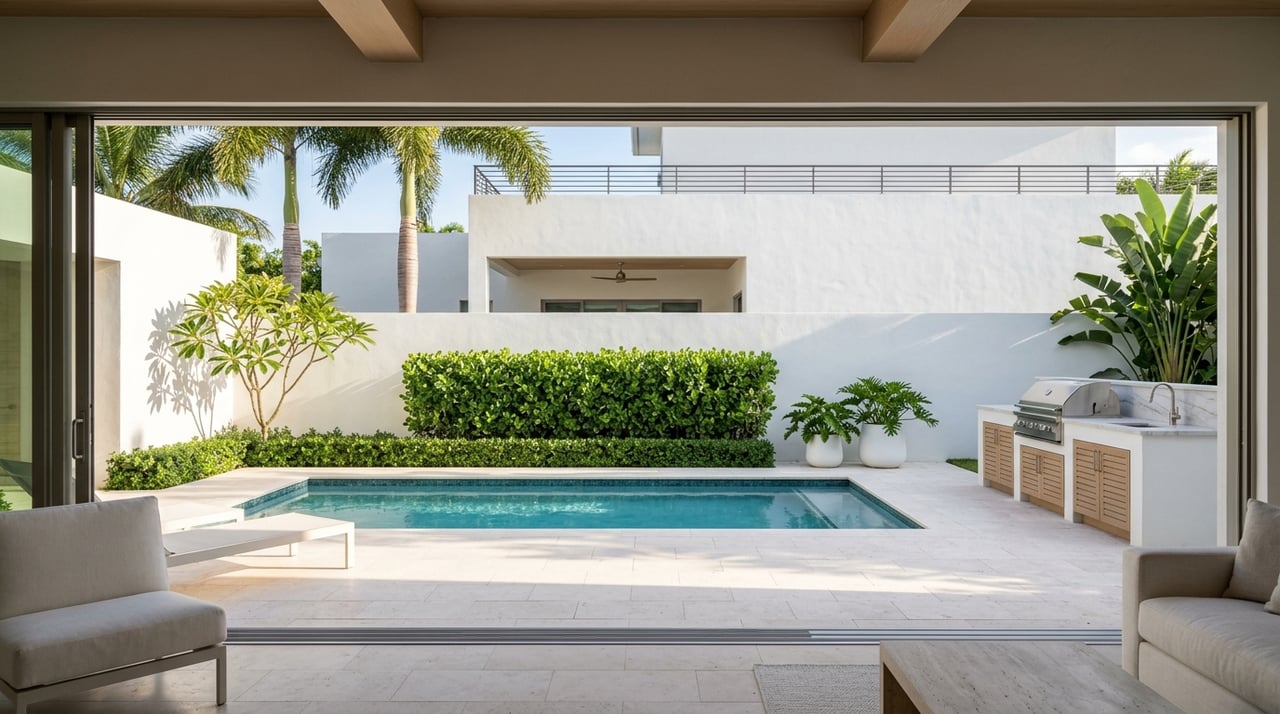
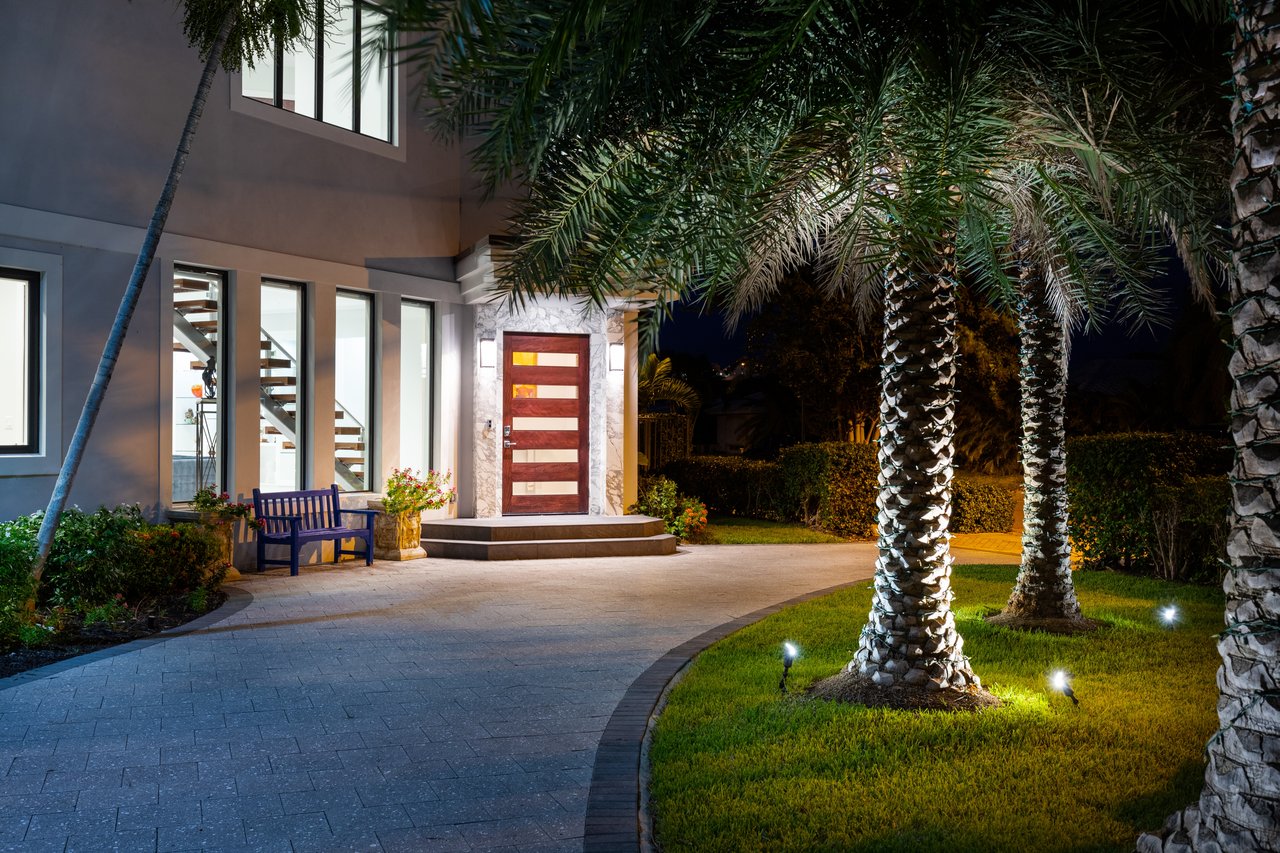
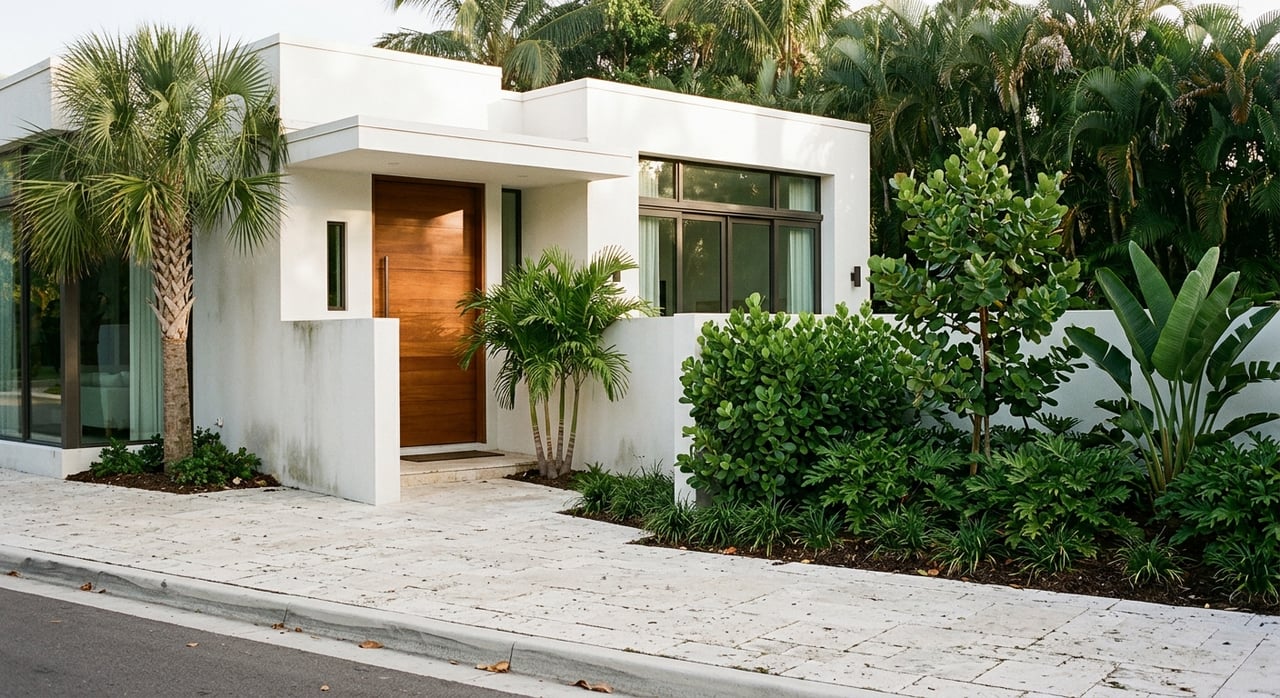
The housing context also adds an important layer. City planning materials describe a varied residential fabric that includes single-family homes, bungalows, screened-in porches, and lots shaped by mature landscaping and open space.
That means Coconut Grove does not offer one single lifestyle. In Center Grove, where duplex, triplex, and multifamily uses are more concentrated, you may find a more compact, close-to-amenities experience. In the more residential sections, the feel often shifts toward quieter streets, deeper canopy, and a stronger porch-and-garden rhythm.
For buyers deciding where they want to live, that distinction matters. You can want walkability and still prefer a more residential setting, or you may want to be closer to the village core where shops and dining are part of your regular routine.
Keep The Scale In Perspective
Coconut Grove is easy to enjoy on foot, but it helps to understand its scale. The village core is the most naturally walkable part, especially around Grand Avenue, McFarlane Road, and Main Highway.
Beyond that core, destinations spread out. Some are still reachable if you enjoy a longer walk, but others may make more sense with the trolley or a short ride. Miami area tourism sources also note that the Coconut Grove Metrorail Station is about one mile from the heart of the neighborhood, which gives you another option when your route stretches farther.
That balance is part of what makes the neighborhood practical. You can enjoy a genuinely walkable day where it counts, while still having transit support when your plans go beyond the tightest cluster.
Why The Grove Leaves An Impression
The best neighborhoods are not always the ones with the most activity packed into a few blocks. Sometimes they are the ones that feel layered, livable, and memorable once you slow down enough to notice them.
That is where Coconut Grove stands apart. The combination of tree canopy, waterfront parks, village retail, and historic depth gives the neighborhood a walkable experience that feels both relaxed and distinctly Miami.
If you are exploring neighborhoods not just for a day out, but for your next move, Coconut Grove is worth experiencing at sidewalk level. To talk through Coconut Grove homes, nearby market trends, or your next move in Greater Miami, connect with The Miami Signature Homes.
FAQs
Is Coconut Grove walkable for a full day outing?
- Yes. The village core around CocoWalk, Grand Avenue, McFarlane Road, and Main Highway is especially walkable for a full day of shops, dining, parks, and waterfront stops.
Where should you start a walking day in Coconut Grove?
- A practical starting point is the CocoWalk area at 3015 Grand Avenue, since it places you near the neighborhood’s most compact cluster of shopping, dining, and pedestrian-friendly streets.
What parks can you visit on foot in Coconut Grove?
- Peacock Park and Regatta Park are two easy park stops tied into a walkable Coconut Grove route, both offering waterfront access and open public space.
What historic stop fits a Coconut Grove walking itinerary?
- The Barnacle Historic State Park on Main Highway is a strong historic detour, with an 1891 home, large old trees, and a bayfront setting.
What does daily life in Coconut Grove feel like?
- Daily life often feels defined by shaded streets, waterfront breezes, sidewalk cafes, small retail clusters, parks, and a strong sense of neighborhood history.
How does walkability connect to Coconut Grove housing?
- The more compact village and Center Grove areas are better suited to a close-to-amenities lifestyle, while the more residential sections tend to offer a quieter setting with mature canopy and varied single-family housing.