Trying to choose between South Miami and Coconut Grove? You are not alone. Both areas offer strong neighborhood identities, but they feel very different once you look at how people live, move, and spend their time there. If you are deciding where your lifestyle fits best, this guide will help you compare the daily vibe, housing patterns, walkability, and overall feel of each. Let’s dive in.
South Miami at a glance
South Miami is a compact city of about 2.5 square miles, located roughly four miles south of the City of Miami. The city describes the area east of U.S. 1 as a vibrant shopping, dining, and entertainment area with a hometown ambiance. It also sits next to the University of Miami and includes two major hospitals, which gives it a practical, service-oriented side.
That mix is a big part of South Miami’s appeal. You get a place that feels rooted and local, but still active and connected. In many ways, it blends neighborhood comfort with a small city center feel.
Coconut Grove at a glance
Coconut Grove is a neighborhood within the City of Miami, with some overlap into Coral Gables. The City of Miami describes it as Miami’s original neighborhood, founded in 1873, and local planning documents identify the Dinner Key, Peacock Park, and Kennedy Park shoreline as the waterfront heart of the Grove.
That history shapes the experience of the area today. Coconut Grove feels older, greener, and more village-like, with a stronger bayfront identity. If South Miami feels centered on convenience and a main street rhythm, the Grove feels more tied to its parks, low-rise streets, and waterfront setting.
Housing feel and neighborhood form
South Miami housing mix
South Miami leans heavily toward single-family homes. The city’s 2024 tax roll showed 2,863 single-family parcels, compared with 741 condominiums and 94 multifamily parcels. At the same time, the city’s comprehensive plan allows for single-family, townhouse, multifamily, residential office, and mixed-use land uses.
That means South Miami is not one-dimensional. It is clearly single-family-heavy, but it also has enough attached and mixed-use development to feel more urban than a purely suburban setting. For many buyers, that creates a balanced middle ground.
Coconut Grove housing character
Coconut Grove’s built form is shaped by design and conservation rules that aim to preserve a unique low-density residential character, a dominant tree canopy, and architectural variety. Its zoning framework includes single-family areas, large-lot and estate-lot categories, along with some two-family, multifamily, and commercial districts tied to the village center and major corridors.
In practical terms, the Grove feels intentionally protected. It is not just a neighborhood with older homes. It is a place where the low-rise scale, mature greenery, and varied architecture are part of the identity.
Walkability and daily rhythm
South Miami errands and convenience
South Miami’s Hometown District centers on Sunset Drive, which the city describes as the Main Street and heart of the district. Outdoor dining, annual community events, and active streetscape planning all support that downtown-like environment. The city is also studying multimodal planning and placemaking improvements there.
For everyday life, South Miami tends to feel straightforward and practical. A pay-by-plate parking system and downtown garage make short trips and errands easier. While the most walkable conditions cluster around the mixed-use hub near SW 64th Street and SW 59th Place and the Hometown District, the city’s transportation study still shows a strong commuter pattern, with many workers driving alone.
South Miami also offers additional mobility options. MetroConnect SoMi and the Underline add flexibility for getting around. Still, the overall feel remains more parking- and commute-shaped than fully stroll-first.
Coconut Grove strolling and waterfront access
Coconut Grove’s commercial core works a little differently. City planning and business district goals focus on protecting and enhancing the vitality of the neighborhood core, while zoning rules promote pedestrian activity through elements like porches, plazas, and ground-floor retail. The area also limits oversized retail footprints in the Village Center and corridor areas.
That approach supports a more deliberate village experience. The Coconut Grove trolley connects parks, shopping areas, City Hall, the Coconut Grove and Douglas Road Metrorail stations, and Grove Central. This helps reinforce a daily pattern that feels more pedestrian-oriented in the core.
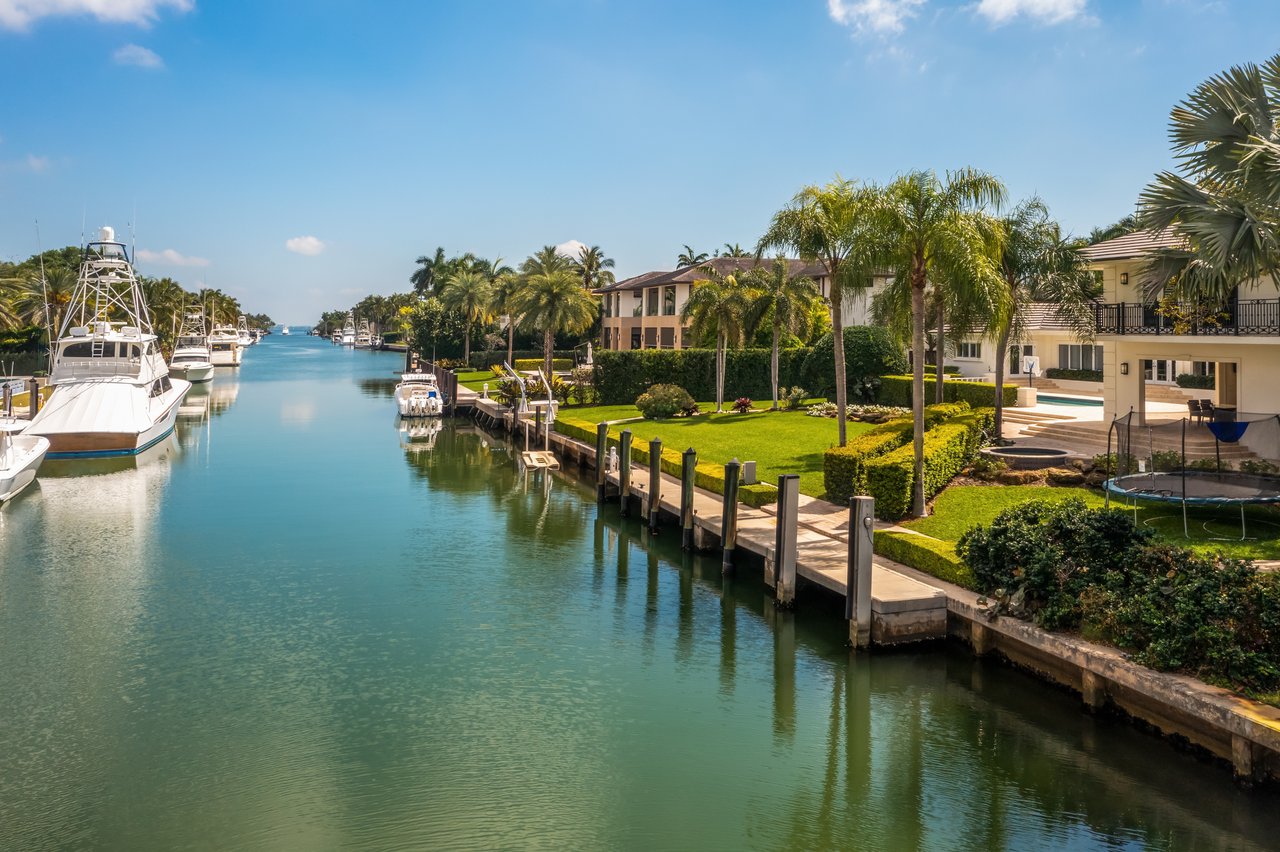
The waterfront also plays a major role in how the Grove lives. Peacock Park is identified by the city as a 9.4-acre waterfront urban park with direct access to the Intracoastal Waterway, and Dinner Key Marina offers slips, parking, shuttle service, and a short walk to the retail district and CocoWalk. Altogether, Coconut Grove often feels more leisurely and destination-oriented than South Miami.
What kind of vibe fits you best?
Choose South Miami if you want
If your ideal lifestyle includes a compact city center, easier parking, and a clear main street feel, South Miami may be the better fit. It offers a housing mix that still strongly favors single-family ownership while keeping shopping, dining, and services close at hand.
This can work especially well if you value convenience in your daily routine. South Miami feels accessible and easy to navigate, with a rhythm shaped by errands, commuting, and neighborhood-scale activity.
Choose Coconut Grove if you want
If you are drawn to tree canopy, older character, and a stronger village-core identity, Coconut Grove may feel more aligned with your style. The parks, waterfront areas, and low-rise neighborhood streets create a day-to-day atmosphere that feels more scenic and more intentionally pedestrian in key areas.
For many buyers, the Grove’s appeal is emotional as much as practical. It has a stronger bayfront presence and a more distinctive sense of place, especially around the core and waterfront edges.
South Miami vs Coconut Grove by lifestyle
| Category | South Miami | Coconut Grove |
|---|---|---|
| Overall feel | Compact city with hometown energy | Historic village with bayfront character |
| Core experience | Main street, errands, dining, events | Village center, parks, strolling, waterfront |
| Housing pattern | Strong single-family presence with mixed-use options | Low-rise residential character with preserved neighborhood form |
| Walkability | Walkable in key districts, but still shaped by parking and commuting | More intentionally pedestrian-oriented in the core |
| Natural setting | Urban neighborhood feel with service convenience | Tree canopy, parks, and waterfront access |
| Best fit for | Buyers who want convenience and a practical daily rhythm | Buyers who want character, greenery, and a bayfront lifestyle feel |
A smart way to decide
The most useful way to compare these two areas is not to ask which one is better. It is to ask which one feels more like your version of home. South Miami offers a compact, convenient, errands-friendly experience with a clear central district. Coconut Grove offers an older, greener, and more waterfront-shaped lifestyle.
It is also worth remembering that both places can vary from block to block and sub-area to sub-area. That is why local guidance matters when you are narrowing down the right fit, especially if you are balancing lifestyle goals with property type, access, and long-term plans.
If you are weighing South Miami against Coconut Grove, working with a local team that understands both micro-markets can save you time and help you focus on the areas that truly match your priorities. For personalized guidance, neighborhood insight, and hands-on support, connect with The Miami Signature Homes.
FAQs
What is the main difference between South Miami and Coconut Grove?
- South Miami feels more like a compact city center with a main street and practical daily convenience, while Coconut Grove feels more like a historic, tree-lined village shaped by parks and waterfront access.
Which area feels more walkable: South Miami or Coconut Grove?
- Coconut Grove’s core is more intentionally pedestrian-oriented through its zoning and transit structure, while South Miami is walkable in key districts but still has a stronger parking and commuter pattern.
Which area has more single-family homes: South Miami or Coconut Grove?
- South Miami shows a clear single-family emphasis in its 2024 tax roll, while Coconut Grove also protects low-density residential character through its zoning and conservation framework.
Which area feels more connected to the waterfront: South Miami or Coconut Grove?
- Coconut Grove feels more waterfront-oriented because local planning documents identify its shoreline area around Dinner Key, Peacock Park, and Kennedy Park as the neighborhood’s waterfront heart.
Is South Miami or Coconut Grove better for a village-style atmosphere?
- Coconut Grove has the stronger village-style identity, especially in its core and waterfront areas, while South Miami offers more of a hometown main street feel within a compact city setting.