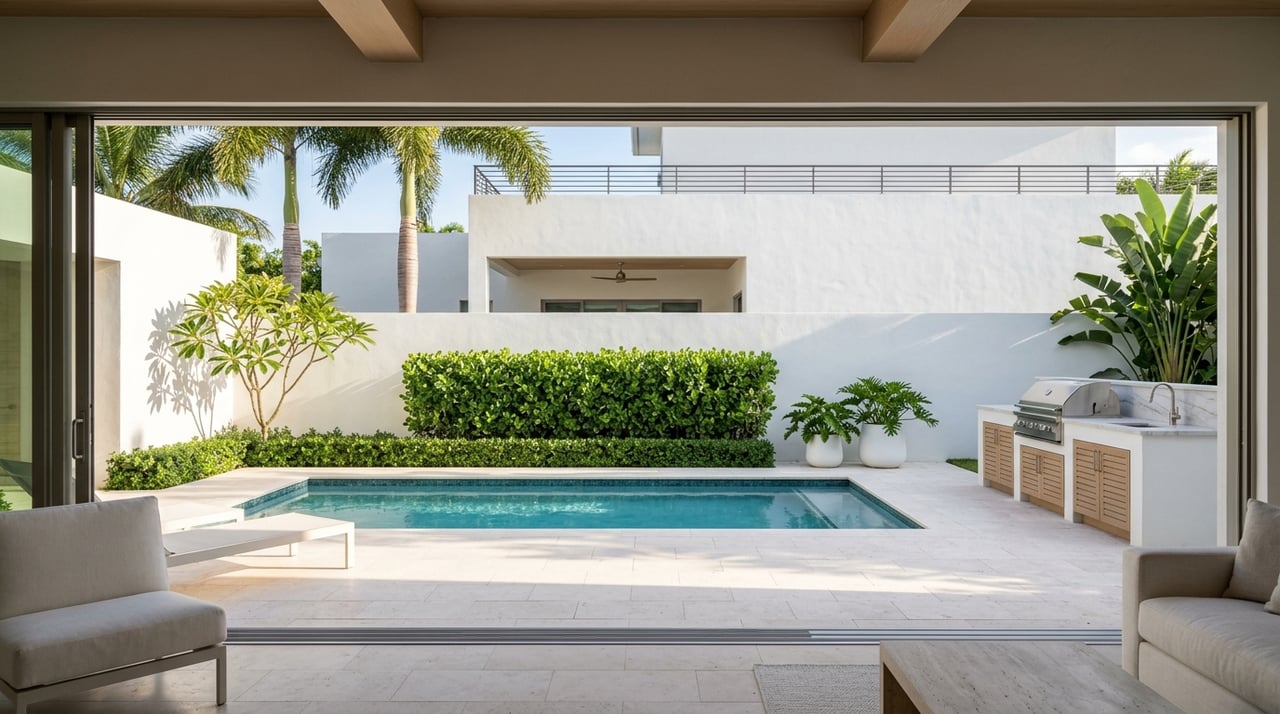
If you have ever wondered why indoor-outdoor living feels so natural in Coral Gables, the answer is simple: the city was practically built for it. With a warm annual mean temperature of 77.5°F, no snow, and a long stretch of hot days each year, your outdoor space is not just extra square footage. It is part of how you live day to day. In Coral Gables, that lifestyle also connects to the city’s architecture, planning, and garden-focused identity. If you are buying, selling, or updating a home here, understanding these patterns can help you see value more clearly. Let’s dive in.
Why Coral Gables Supports Indoor-Outdoor Living
Coral Gables has the climate to support year-round use of terraces, patios, porches, and garden spaces. According to Miami International Airport climate normals, the area sees about 91.5 days each year with highs at or above 90°F, along with 67.41 inches of annual rainfall. That means shade, airflow, and covered outdoor areas matter in a very practical way.
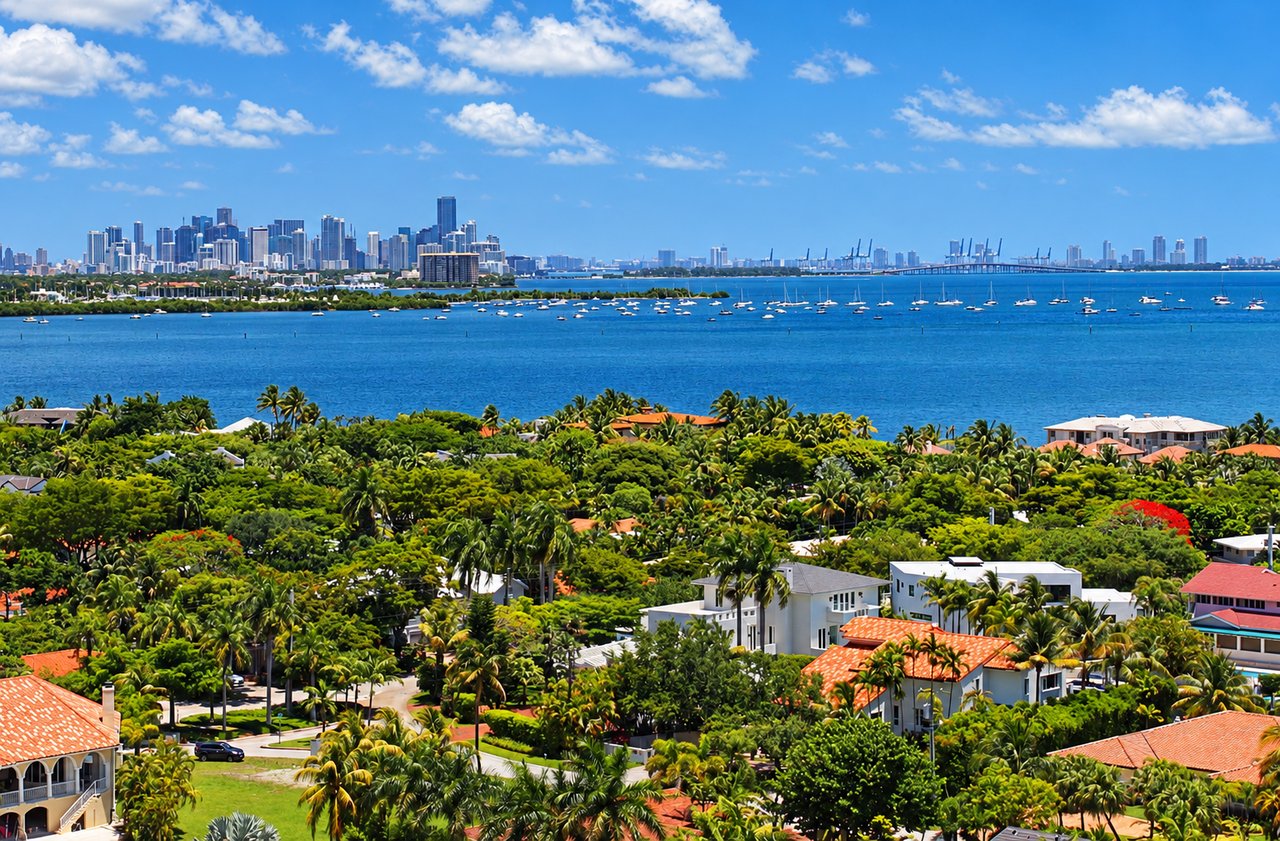
This is also a city that presents itself as both a City Beautiful and a Garden City. Lush green avenues and a strong emphasis on landscape design shape the feel of many residential streets. More than 1,000 properties are listed on the Coral Gables Register of Historic Places, which reinforces how much architecture and setting matter together here.
How Architecture Shapes the Experience
Coral Gables is deeply tied to Mediterranean Revival design. Landmark buildings across the city reflect George Merrick’s original vision, and that design language still influences what buyers expect to see in many homes today. It is one reason indoor-outdoor living feels timeless here rather than trendy.
Traditional features still matter
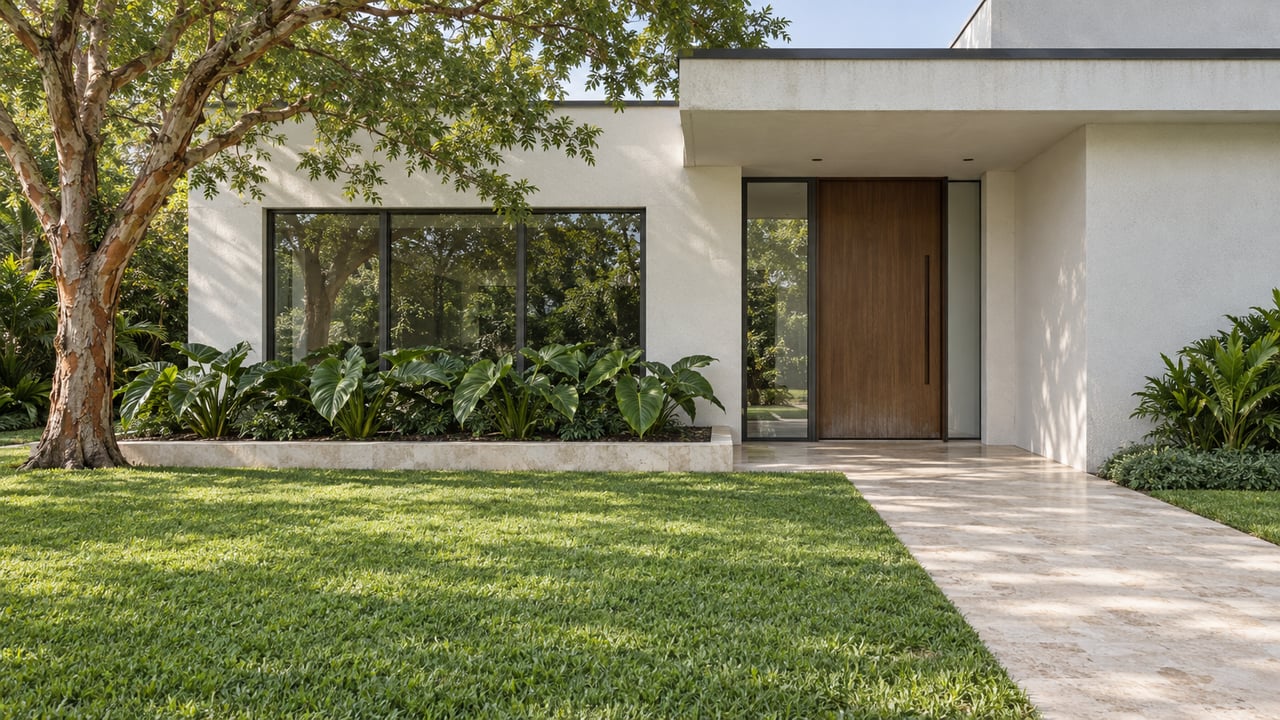
Historic Coral Gables architecture often includes arcaded loggias, verandahs, central courtyards, and open patios. These elements soften the line between interior and exterior spaces. In today’s homes, that same idea often appears as covered terraces, garden courts, and living areas that open directly to the backyard.
The city’s design guidance also reinforces the look through coral rock, stucco, warm Mediterranean color palettes, and proportions that create shadow and texture. In other words, the outdoor room is usually meant to feel connected to the house from the start. It should not feel like an add-on.
Why Lot Design Matters So Much
Part of what makes Coral Gables homes feel different is how much space is preserved around the main structure. City guidance for single-family areas calls for adequate yards and open space, and several rules support that layout. These include a minimum 50-foot street frontage, 40% minimum open space, 35% maximum ground area coverage for the principal building, and 45% maximum coverage for all structures.
Those numbers may sound technical, but they shape the way a home lives. In many cases, they help create a sequence of outdoor areas, from the street-facing lawn or porch to the more private rear garden, courtyard, or pool terrace. That rhythm is a big part of the Coral Gables experience.
Front porches and arrival spaces
The city encourages open-air front porches, with an eight-foot minimum depth recommended in its best-practice guide. Porches can help reduce air-conditioning use and create a more comfortable transition into the home. They also make the front elevation feel more welcoming without overwhelming the lot.
Setback rules play a role here too. Front setbacks vary by street type, including 50 feet on Granada Boulevard, 35 feet on certain boulevards, and 25 feet on other streets and avenues. These deeper setbacks often give homes room for landscaping, shade trees, and a stronger sense of arrival.
Rear yards often carry the lifestyle value
While the front of the home helps shape first impressions, the rear yard often carries the real indoor-outdoor lifestyle value. Coral Gables guidance generally places accessory buildings in the backyard and encourages garages to remain visually secondary to the home. That planning approach helps preserve the backyard as a usable outdoor room.
For buyers, this can mean more space for a pool terrace, covered lounge area, garden court, or outdoor dining setup. For sellers, it means the way your backyard connects to the home can influence how buyers picture daily life in the space.
Features Buyers Notice Most
Indoor-outdoor living is not just a local preference. AIA survey data from 2023 and 2025 show strong homeowner interest in outdoor living spaces and blended indoor-outdoor design. In Coral Gables, those preferences tend to align especially well with the city’s architecture and lot patterns.
Covered patios and terraces
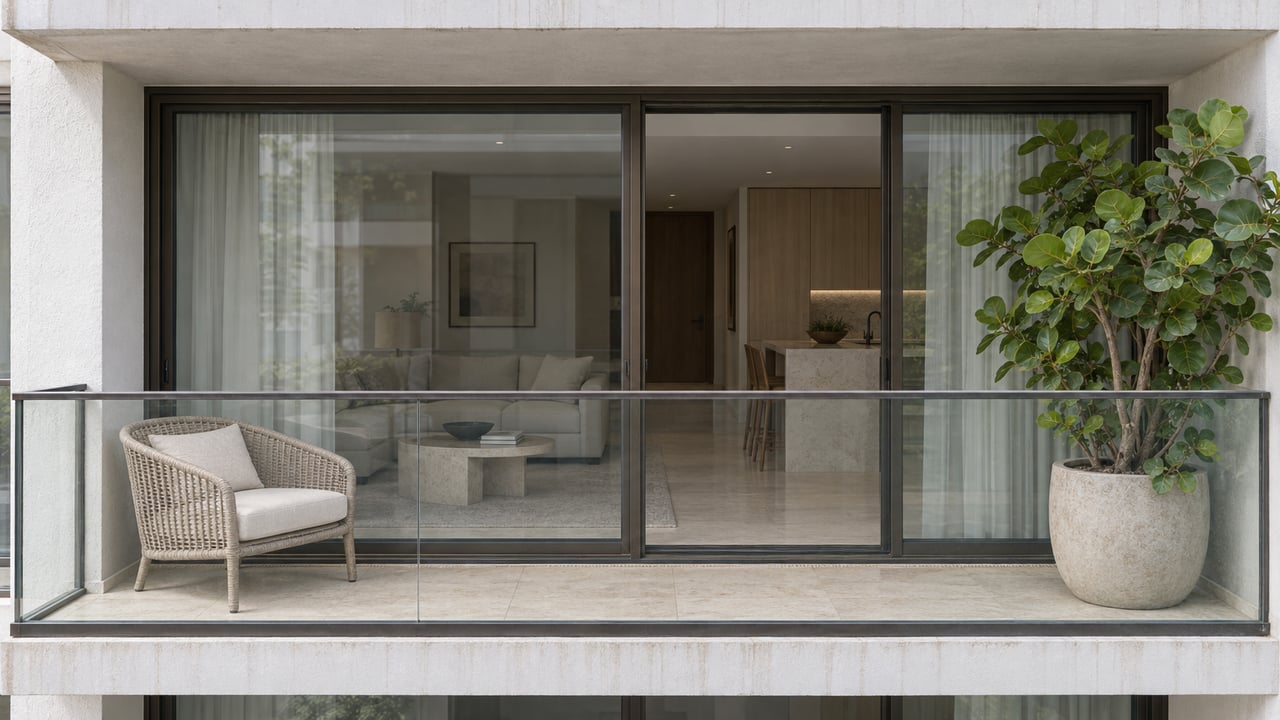
Covered outdoor areas are especially important in this market because they help manage heat, sun, and rain. In July and August, average highs reach 90.6°F and 90.7°F, so a shaded terrace is not just attractive. It can make the space far more usable.
When buyers tour homes, they often respond to covered patios, deep overhangs, and spaces that feel like an extension of the family room or kitchen. These features make the home feel more livable in everyday conditions, not just on perfect-weather days.
Courtyards and private garden rooms
Courtyards and patios stand out in Coral Gables because city residential standards recognize them directly, along with screened enclosures and courtyard-oriented walls. The city also allows taller rear-yard walls on some smaller frontage lots for added privacy. That can support more secluded outdoor spaces, especially around pools or garden terraces.
A courtyard can create a quiet transition between inside and outside. It can also bring light and greenery deeper into the home, which is one reason these layouts continue to appeal across both historic and updated properties.
Mature trees and layered landscaping
Tree canopy is one of the most important, and sometimes most overlooked, features in Coral Gables. The city notes that southern live oaks make up about 25% of its urban tree canopy, and it promotes swale planting to improve drainage and support lush landscaping. Mature trees can change how cool, private, and finished a property feels.
For buyers, that means outdoor comfort is not only about square footage or a pool. Shade, privacy, and landscape maturity shape how usable the space feels throughout the year. For sellers, well-maintained greenery can strengthen the presentation of your home in a meaningful way.
Kitchens that open to the outdoors
In Coral Gables, outdoor cooking areas tend to work best when they are part of a broader indoor-outdoor plan. The bigger story is not simply a grill station or summer kitchen on its own. It is the connection between the kitchen, family room, terrace, and backyard.
Buyers often respond well to homes where main living spaces open naturally to a covered outdoor room. That connection can make entertaining easier and everyday routines feel more relaxed.
Materials That Reinforce the Look
Certain materials help a Coral Gables home feel more rooted in its setting. Coral rock, stucco, barrel tile roofs, wrought iron, and warm restrained palettes are all cues tied to the city’s architectural identity. These details often suggest that the house and landscape were designed to work together.
That does not mean every home has to follow one style. It does mean buyers often notice when the outdoor spaces feel visually consistent with the architecture. A terrace that complements the home tends to feel more lasting than one that looks disconnected from the structure.
What Buyers and Sellers Should Keep in Mind
If you are buying or planning improvements, it is important to know that exterior changes in Coral Gables are not entirely owner-driven. The Board of Architects reviews new residences, pools, pavement, roof tiles, and building expansions. The city also requires a tree survey and tree protection plan for certain submissions and demolition permits.
That review process matters because outdoor upgrades can affect both design and timing. A beautiful idea still needs to fit the city’s standards and the property’s conditions. This is especially relevant if you are considering major changes to patios, landscaping, or additions that alter the flow between inside and outside.
Elevation and drainage matter too
For lower-lying sites, the city’s site-planning guide notes that a residence may raise its finished floor using freeboard and must meet FEMA requirements. This can be especially relevant near canals, bays, or other water-adjacent areas. In those locations, outdoor living design may depend as much on elevation and drainage as on style.
If you are evaluating a home, it helps to look beyond the photos. The best indoor-outdoor spaces work well because they balance aesthetics, comfort, privacy, and site conditions.
Why This Trend Has Staying Power
Indoor-outdoor living in Coral Gables is not a passing idea imported from somewhere else. It reflects the city’s climate, planning rules, architecture, and landscape tradition. That is why the strongest homes often combine a historically compatible exterior, a useful covered transition, and a private rear garden or terrace that feels fully integrated with the house.
For buyers, that can help you recognize which homes will continue to feel special over time. For sellers, it can help you present your property in a way that highlights what Coral Gables buyers already value most. When a home respects its setting and makes outdoor space feel natural, it tends to leave a lasting impression.
If you are thinking about buying or selling in Coral Gables, working with a team that understands the area’s architectural patterns, buyer preferences, and presentation strategies can make a real difference. To schedule a private consultation and complimentary home valuation, connect with The Miami Signature Homes.
FAQs
What does indoor-outdoor living usually mean in Coral Gables homes?
- It usually means the home includes features like covered terraces, courtyards, patios, porches, or main living spaces that open directly to the outdoors in a way that feels integrated with the architecture.
Why is indoor-outdoor living so popular in Coral Gables?
- Coral Gables has a warm climate, no snow, many hot days each year, and a long-standing architectural tradition that blends gardens, courtyards, and covered outdoor spaces with the home itself.
What outdoor features do Coral Gables buyers often notice first?
- Buyers often notice covered patios, private courtyards, mature shade trees, landscaped rear yards, and kitchens or family rooms that connect easily to outdoor living areas.
Do Coral Gables lot rules affect indoor-outdoor living design?
- Yes. City guidance on open space, setbacks, frontage, and building coverage helps preserve yards and usable outdoor areas around many single-family homes.
Do Coral Gables home improvements need city review?
- Yes. The Board of Architects reviews items such as new residences, pools, pavement, roof tiles, and building expansions, and certain projects also require a tree survey and tree protection plan.
What should buyers consider about outdoor spaces in lower-lying Coral Gables locations?
- Buyers should consider how elevation, drainage, and FEMA-related requirements may affect the design and function of outdoor areas, especially near canals, bays, or other water-adjacent sites.