By Mauricio J. Barba
Coral Gables is one of the few cities in South Florida where the homes themselves tell the story of how the community was planned. George Merrick envisioned a “City Beautiful” in the 1920s, and his preference for Mediterranean-inspired homes still shapes residential streets today, from barrel tile rooftops to coral rock garden walls. Here’s a guide to the home styles you’ll find in Coral Gables and what each one means for buyers and sellers.
Key Takeaways
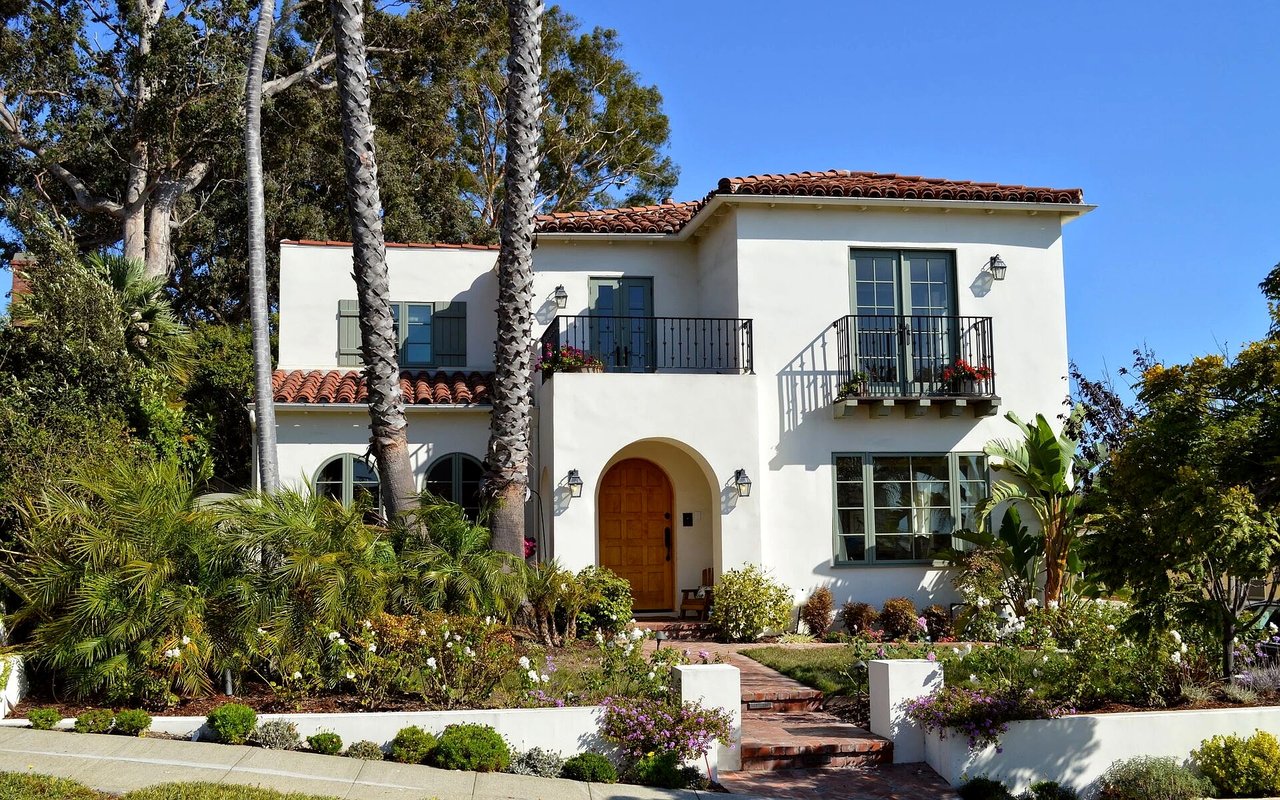
- Mediterranean Revival is the defining residential style in Coral Gables, with stucco walls, barrel tile roofs, arched openings, and private courtyards.
- Merrick’s historic villages, built mostly between 1925 and 1927, offer small clusters of homes inspired by French, Italian, Chinese, Dutch South African, and Colonial architecture.
- Mid-century modern and ranch-style homes from the postwar decades bring open layouts and indoor-outdoor living to many Gables neighborhoods.
- Contemporary and modern Mediterranean estates, especially in waterfront areas like Cocoplum and Gables Estates, blend classic Gables details with today’s floor plans.
What Defines a Mediterranean Revival Home in Coral Gables?
Mediterranean Revival homes are the heart of Coral Gables residential architecture. Many were built during the city’s founding years in the 1920s, inspired by the homes of Spain and Italy, and adapted to South Florida’s climate with thick walls, shaded loggias, and courtyards that stay cool through the afternoon.
These homes often feature coral rock, the local limestone that gave the city its name, in garden walls, steps, and fireplace surrounds. Buyers love their character, and well-preserved examples near downtown and the Biltmore area are some of the most sought-after homes in the city.
These homes often feature coral rock, the local limestone that gave the city its name, in garden walls, steps, and fireplace surrounds. Buyers love their character, and well-preserved examples near downtown and the Biltmore area are some of the most sought-after homes in the city.
Signature Features of Gables Mediterranean Homes
- Barrel tile roofs in terracotta and earth tones, which give Coral Gables streets their distinctive look.
- Stucco exteriors with arched windows, wrought-iron balconies, and decorative tile around entries and stairways.
- Interior courtyards, loggias, and covered patios designed for shade and airflow before air conditioning was common.
- Original details like pecky cypress ceilings, hand-painted tile, and coral rock fireplaces that buyers prize when they’ve been preserved.
What Are the Homes in Coral Gables’ Historic Villages Like?
In the mid-1920s, Merrick commissioned a series of themed residential villages, each designed by notable architects to reflect a different part of the world. Seven still stand today, and their homes offer a rare kind of architectural variety within a single city.
Because these villages are small and homes in them rarely come to market, buyers who love them should be ready to move quickly. The city’s historic villages page is a helpful resource for learning more about each one.
Because these villages are small and homes in them rarely come to market, buyers who love them should be ready to move quickly. The city’s historic villages page is a helpful resource for learning more about each one.
Village Homes and Their Influences
- The Chinese Village homes, designed by Henry Killam Murphy and built between 1926 and 1927, feature shared walls, colorful tile, and upturned rooflines.
- The French Normandy Village homes, by John and Coulton Skinner, draw on 15th-century French village architecture with half-timbering and steep roofs.
- The Italian Village homes, built between 1925 and 1927, are inspired by Italian farmhouses with simple massing and tile roofs.
- The Dutch South African, French City, French Country, and Florida Pioneer Village homes round out the collection with gabled facades, formal symmetry, and Colonial details.
What Mid-Century and Contemporary Homes Will You Find?
After World War II, Coral Gables grew outward with new neighborhoods of ranch and mid-century modern homes. These houses feature low profiles, large windows, terrazzo floors, and layouts that open to backyards and pools, and many have been thoughtfully updated by recent owners.
More recently, contemporary homes have joined the mix, especially in waterfront communities like Cocoplum and Gables Estates. These estates often pair classic Gables materials like tile and stone with open floor plans, walls of glass, and outdoor living spaces designed around the water.
More recently, contemporary homes have joined the mix, especially in waterfront communities like Cocoplum and Gables Estates. These estates often pair classic Gables materials like tile and stone with open floor plans, walls of glass, and outdoor living spaces designed around the water.
Newer Home Styles Across the City
- Mid-century modern homes with flat or low-pitched roofs, clerestory windows, and indoor-outdoor flow.
- Ranch-style homes on generous lots, which are popular with buyers planning renovations or expansions.
- Modern Mediterranean homes that keep the tile roof and stucco while offering open kitchens and great rooms.
- Contemporary waterfront estates in Cocoplum and Gables Estates, designed for views, boating, and large-scale entertaining.
What Should Buyers and Sellers Know About Coral Gables Architecture?
Architecture plays a larger role in Coral Gables real estate than in most cities. The Coral Gables Board of Architects reviews new residences, additions, pools, pavement, and roof tiles to make sure projects align with the city’s design standards.
For buyers, this means planning renovations with the review process in mind. For sellers, it means highlighting the architectural details that make a home stand out, since buyers here often value craftsmanship and character as much as square footage.
For buyers, this means planning renovations with the review process in mind. For sellers, it means highlighting the architectural details that make a home stand out, since buyers here often value craftsmanship and character as much as square footage.
My Advice for Buyers and Sellers
- Buyers should discuss planned exterior changes early, since they typically need Board of Architects approval before permits are issued.
- Homes with historic designation may require additional review, so confirm a property’s status before making an offer.
- Sellers should showcase original features like coral rock, tile work, and pecky cypress ceilings in photography and marketing.
- A home valuation shows how your home’s style and condition compare with recent Coral Gables sales.
Frequently Asked Questions
Can I build a modern home in Coral Gables?
Yes, modern homes are possible, but every new residence goes through Board of Architects review. Working with an architect familiar with the city’s standards helps your plans move forward smoothly.
Are original Mediterranean homes difficult to update?
Many owners successfully update kitchens, baths, and systems while preserving original character. Planning ahead and working with experienced professionals makes the process far easier.
Where can I find Mediterranean Revival homes for sale?
Many of the city’s oldest neighborhoods near downtown and the Biltmore area feature 1920s Mediterranean homes. You can explore current listings on my Coral Gables homes for sale page.
Contact Mauricio J. Barba Today
Coral Gables offers some of the most distinctive residential architecture in South Florida, and the right home often comes down to the style that fits the way you live. I’d love to help you explore Mediterranean Revival classics, historic village homes, mid-century gems, and modern waterfront estates across the city.
Reach out to me, Mauricio J. Barba, to start your Coral Gables search. You can also explore my Coral Gables neighborhood guide to learn more about life in the City Beautiful.
Reach out to me, Mauricio J. Barba, to start your Coral Gables search. You can also explore my Coral Gables neighborhood guide to learn more about life in the City Beautiful.